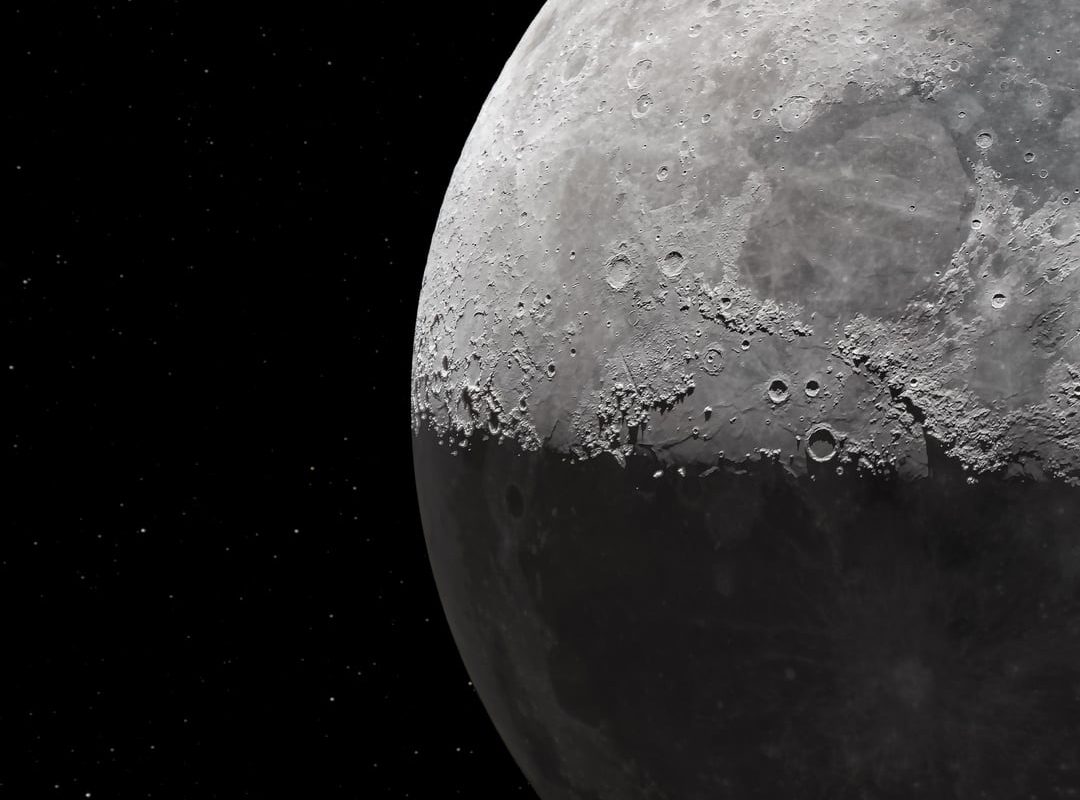
Crazy details of Lunar craters in my HDR moon
Unveiling the Lunar Landscape: Crazy Details of Lunar Craters Revealed in HDR Moon Photography
The Moon, Earth’s closest celestial neighbor, has captivated humanity for millennia. But when viewed through the lens of High Dynamic Range (HDR) photography, its ancient craters transform into jaw-dropping, hyper-detailed masterpieces that defy imagination. If you’ve captured the Moon in HDR, you know just how many secrets its scarred surface holds. In this deep dive, we’ll explore the mind-blowing intricacies of lunar craters—visible in stunning clarity thanks to HDR technology—and what these features tell us about the Moon’s violent past.
Why HDR Photography Reveals the Moon’s Hidden Drama
HDR photography merges multiple exposures to capture a wider range of light, shadow, and texture than the human eye—or standard photography—can perceive. When applied to the Moon, HDR uncovers:
- Micro-craters as small as 500 meters across.
- Rayed ejecta patterns that splay across the lunar surface like cosmic paint splatters.
- Shadows and highlights within crater walls, exposing their depth and geological layers.
- Subtle color variations hinting at mineral composition (e.g., titanium-rich basalt in dark “mare” regions).
Without HDR, many of these details vanish into washed-out highlights or murky shadows.
The Anatomy of a Lunar Crater: A Closer Look
HDR doesn’t just beautify; it educates. Here’s what you can dissect in your HDR moon shots:
1. Central Peaks & Terraced Walls
Massive craters like Tycho or Copernicus often feature mountainous central peaks (rebound structures from asteroid impacts) and terraced inner walls caused by collapsed material. HDR accentuates their jagged edges and sunlit slopes against inky-black shadows.
2. Secondary Craters & Ejecta Blankets
When an asteroid strikes, debris explodes outward, creating smaller “secondary craters” and bright, reflective ejecta blankets. HDR captures these delicate radial patterns—some spanning hundreds of kilometers—with surreal sharpness.
3. Floor Texture & Melt Pools
The smoothest crater floors were once molten rock. HDR exposes their ghostly, frozen ripples and cracks, while larger basins like Mare Imbrium reveal ancient lava plains fractured by gravitational stress.
4. “Ghost Craters” & Buried Geology
Some craters are partially submerged by volcanic flows. HDR’s contrast enhancement makes these submerged rings (“ghost craters”) faintly visible, like lunar hieroglyphs.
Craziest Crater Details You Can Spot in HDR
- Tycho’s Spiky Rays: This 108-million-year-old crater’s brilliant ejecta rays stretch 1,500 km—visible even in amateur HDR shots.
- Aristarchus’ Glowing Floor: The Moon’s brightest crater reflects 40% more light than its surroundings. HDR isolates its glow, hinting at young, reflective material.
- The Catena Networks: Chains of small craters (e.g., Catena Davy) line up like cosmic bullet holes, likely caused by fragmented asteroids or volcanic collapse.
How to Capture Lunar Craters in HDR: Quick Tips
To replicate these details in your moon photography:
- Gear Up: Use a DSLR/mirrorless camera with 200–400mm minimum zoom or a telescope adapter.
- Blend Exposures: Combine 3–5 shots at different exposures (underexposed for highlights, overexposed for shadows).
- Stack for Stability: Align images via software (e.g., Photoshop, RegiStax) to reduce atmospheric distortion.
- Sharpen Smartly: Enhance edges without overprocessing natural textures.
Why These Details Matter
Beyond aesthetics, HDR moon photography reveals clues about:
- Planetary Evolution: Crater density helps date lunar regions.
- Impact Hazards: Crater size/frequency profiles Earth’s own bombardment history.
- Future Exploration: Smooth “mare” zones may harbor ice in permanently shadowed craters—critical for manned missions.
Conclusion: The Moon’s Story, Written in Craters
HDR technology doesn’t just make the Moon look spectacular—it turns lunar photography into a scientific tool. Every crack, peak, and debris field unveiled in your images contributes to our understanding of Earth, the solar system, and cosmic violence spanning billions of years. So keep shooting, processing, and sharing those HDR moonscapes: you’re not just capturing art, but decoding the universe’s secrets, one crater at a time.
Pro Tip: Pair your HDR moon shots with annotated maps (try apps like PhotoPills or Stellarium) to label craters and wow your audience with cosmic context!
Meta Description: Discover how HDR moon photography exposes jaw-dropping details of lunar craters—from central peaks to ejecta rays—and learn how to capture these cosmic wonders yourself.