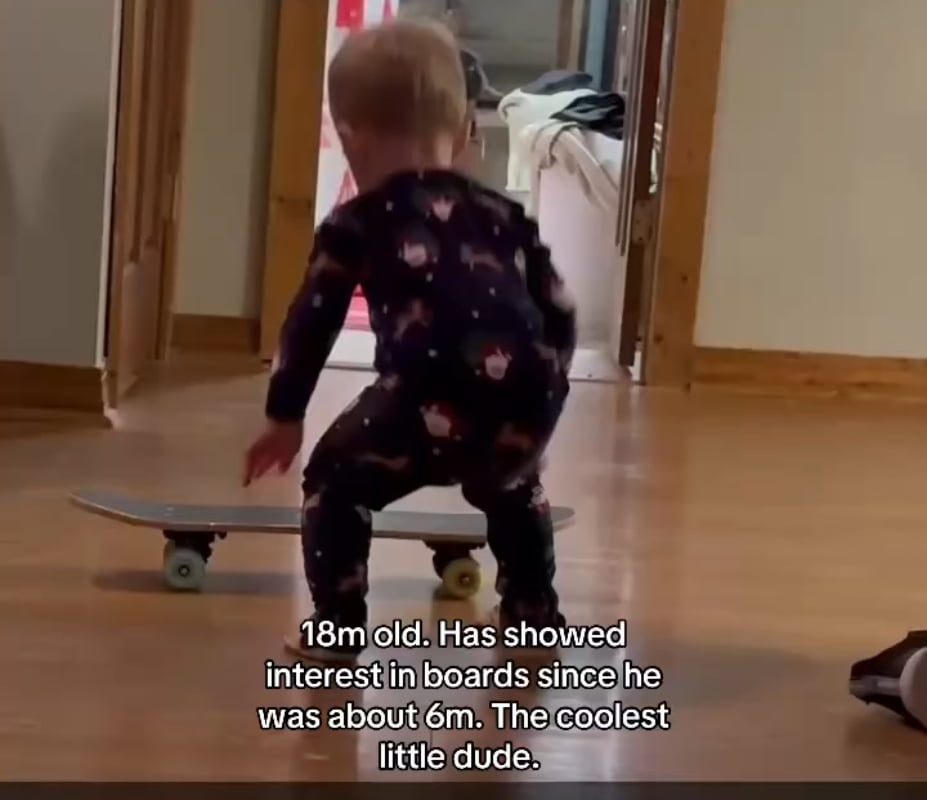
An 18 month old on a skateboard
Tiny Rippers & Mini Shredders: The Viral Phenomenon of 18-Month-Olds on Skateboards – Safety, Development & FAQs
The internet has fallen in love with a surprising trend: wobbly, diaper-clad toddlers barely able to walk confidently—yet somehow riding skateboards. Videos of 18-month-olds “shredding” (often with heavy parental assistance) rack up millions of views, sparking equal parts awe, concern, and curiosity. But what’s behind this viral fascination? Is skateboarding safe for such young children? Could it benefit their development? Let’s explore the facts, risks, and why this trend has taken off.
The Viral Rush: Why Toddlers on Skateboards Captivate Us
There’s no denying the sheer “wow” factor of seeing a baby navigating a skateboard. At 18 months old, most toddlers are just mastering walking and running. The contrast between their unsteady steps and the fluid motion of a skateboard creates a powerful visual and emotional reaction:
- Unexpected Talent: It challenges our assumptions about toddler capabilities.
- Miniaturization Appeal: Tiny versions of “adult” activities (like skateboarding) are inherently adorable.
- Parent-Child Bonding: Many viral clips involve parents guiding their kids, highlighting playful interaction.
Notable Example: Rocket, the son of pro skateboarder Samarria Brevard, became Instagram-famous at just 18 months old for cruising (with help) on a board, inspiring countless imitations.
Development Check: Can an 18-Month-Old REALLY Skateboard?
While viral videos make it look effortless, the reality is more nuanced. Most 18-month-olds lack the physical and cognitive skills for independent skateboarding:
- Balance & Coordination: Toddlers are still developing core strength and proprioception (body awareness). Skateboarding requires dynamic balance.
- Fear Response: Risk assessment isn’t developed—toddlers don’t instinctively brace for falls.
- Focus & Instruction: Following safety commands like “lean left” or “bend your knees” is unrealistic at this age.
The Takeaway: Videos often show heavily assisted rides with parents controlling speed/direction. True “skateboarding” implies independent propulsion and maneuvering—rare before age 3-4 even with early exposure.
Safety First: Non-Negotiables for Toddlers on Wheels
If you’re tempted to introduce skateboarding early, safety is paramount:
- Close Supervision (1:1 Ratio): A parent must be within arm’s reach at all times.
- Full Protective Gear:
- Helmet: Properly fitted ASTM-certified toddler helmet (non-negotiable).
- Knee/Elbow Pads: Protect developing joints.
- Wrist Guards: Toddlers often fall palms-first.
- Small, Stable Setup:
- Wide, Low Boards: Opt for plastic mini-cruisers (like Penny Boards) or “balance trainers” with extra width.
- Soft Wheels: Larger, grippy wheels (78A-87A durometer) prevent high-speed wobbles.
- Controlled Environment: Smooth, flat surfaces like driveways or empty tennis courts—away from traffic, slopes, or obstacles.
Red Flag: Never use ramps, stairs, or inclines. Speed increases injury risk exponentially.
Potential Benefits (With Caveats):
While skateboarding isn’t developmentally essential for toddlers, supervised, playful exposure might offer:
- Balance & Coordination: Gentle practice could supplement natural development.
- Confidence: Successfully gliding (with help) can boost self-efficacy.
- Sensory Stimulation: New movement patterns engage vestibular and proprioceptive systems.
- Parent-Child Bonding: Shared playful moments strengthen attachment.
However: These benefits can be gained through safer activities like climbing, dancing, or riding push bikes.
Alternatives for Wheel-Loving Toddlers:
If your 18-month-old loves wheels, consider safer equipment designed for their stage:
- Balance Bikes: Build coordination without pedals; closer to natural walking/running motions.
- Push Cars/Walkers: Allow self-propelled movement with stability.
- Scooters (3-Wheel): Wider bases offer more control than skateboards at this age.
FAQs About Toddlers & Skateboards
Q: Has any 18-month-old skated independently?
A: Extremely rare. Most viral stars are held or guided. True independent riding typically emerges later (ages 3-5).
Q: Could starting early make them a pro later?
A: No proven correlation. Passion matters more than age of introduction. Most pros started between ages 4-12.
Q: What if my toddler tries to copy a video?
A: Redirect gently. Offer a safer wheeled toy instead and explain “big kids” use skateboards later.
Q: Are there toddler-sized skateboards?
A: Yes! Brands like Plum, Penny, and MINI LOGO make ultra-small boards (22-27”) with soft wheels.
Conclusion: Celebrating Curiosity While Prioritizing Safety
The sight of an 18-month-old on a skateboard is undeniably charming, but it’s vital to separate viral hype from reality. While a parent-guided “ride” (with full gear on safe ground) might be a fun photo op, skateboarding shouldn’t be a structured activity at this age. Prioritize free play, exploration, and physical milestones that align with your toddler’s natural development. If they show persistent interest in wheels, balance bikes offer a safer, skill-building foundation for future skate adventures.
Always consult your pediatrician before introducing high-risk activities. Remember: Childhood isn’t a race. Let them explore the world at their own pace—helmet optional for now, but safety always mandatory. 🛹🧒💕