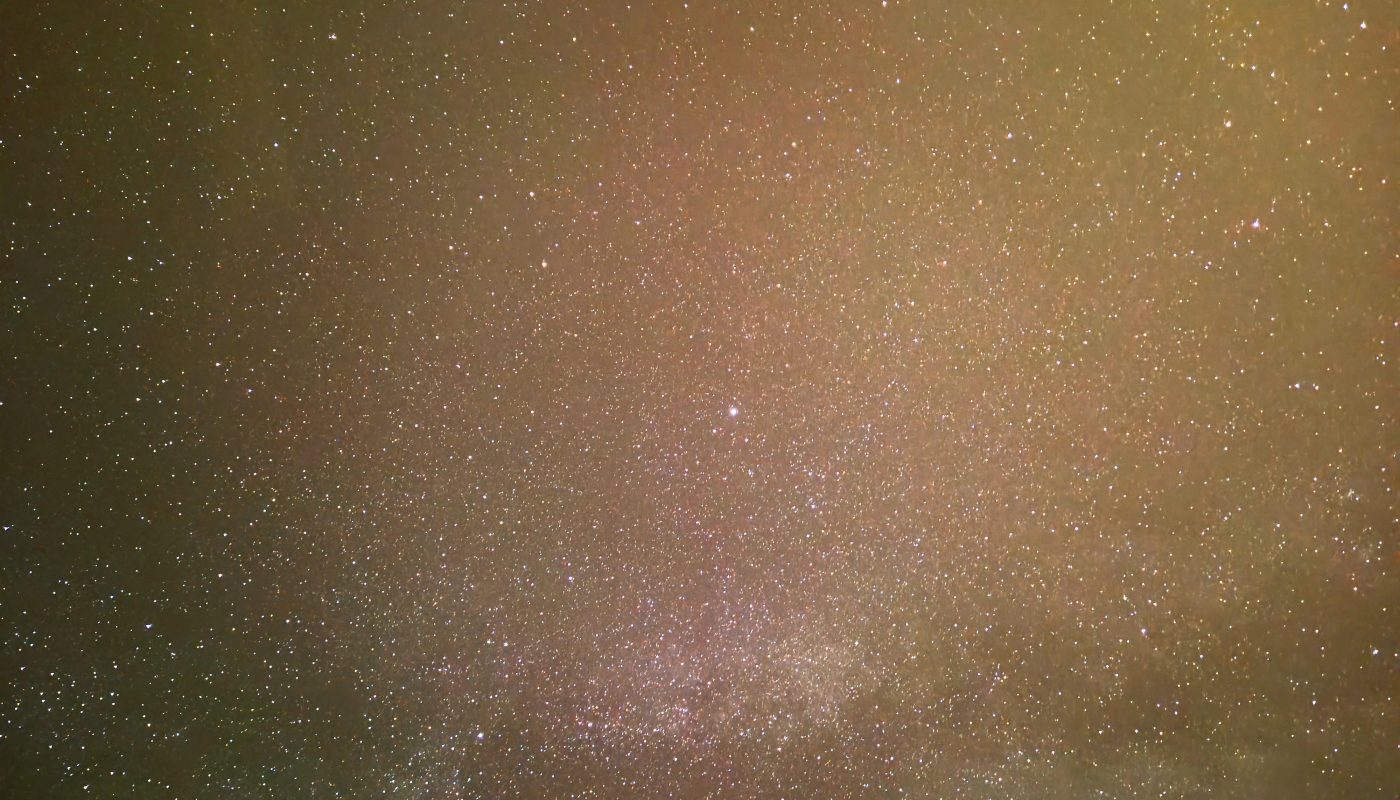
I live in an urban area and barely see any stars at night. Until I saw them on a dark mountain in Spain. Missing this is a disgrace.
Title: The Hidden Disgrace of Urban Nights: How Light Pollution Stole Our Stars (And How to Reclaim Them)
Introduction: The Night Sky I Never Knew I Missed
I grew up thinking the night sky was a dull, starless void. In my city, streetlights, neon signs, and the constant glow of skyscrapers drowned out all but the brightest stars. Then I traveled to a remote mountain in Spain—far from Wi-Fi, traffic, and artificial light—and witnessed the real night sky for the first time. The Milky Way sprawled overhead like a river of diamonds. Constellations I’d only seen in textbooks felt close enough to touch. And in that moment, I felt an aching truth: living without stars is a modern tragedy. Here’s why losing the night sky is a disgrace—and how we can fight to get it back.
1. Urban Nights: A Sky Drowned in Light
Light pollution—the excessive or misdirected artificial light flooding our cities—has erased the cosmos for over 80% of the global population. In urban areas:
- Only 5-20 stars are visible on average, compared to 2,500+ in truly dark skies.
- The Milky Way remains invisible to 1 in 3 people worldwide, including nearly all urban residents.
- Blue-white LED lighting (common in cities) disrupts ecosystems and human health while making stars even harder to see.
The result? We’ve normalized a sky emptied of wonder.
2. What We Lose When We Lose the Stars
A. A Disconnect from Nature and History
For millennia, humans navigated, told time, and built myths around the stars. Today, generations are growing up without ever seeing the Big Dipper or Orion’s Belt. Without stars, we lose:
- Cultural heritage: Ancient stories and celestial traditions fade.
- Perspective: The awe of our tiny place in a vast universe.
B. Health and Ecological Damage
Light pollution isn’t just a cosmetic issue—it harms wildlife and humans:
- Migratory birds crash into buildings, confused by artificial light.
- Sea turtles avoid darkened beaches (critical for nesting) due to coastal glare.
- Humans suffer disrupted circadian rhythms, linked to insomnia, depression, and even cancer.
3. My Revelation in Spain: The Night Sky as It Should Be
In Spain’s Sierra Nevada mountains, I joined a “stargazing safari”—a growing trend in dark-sky tourism. Away from urban glare, the sky exploded into view:
- The Milky Way’s core glowed like spilled paint across the black.
- Shooting stars streaked every few minutes (not just during meteor showers!).
- Saturn’s rings were visible through a telescope—a sight that left me speechless.
This is what we’re missing. And it’s not just “nice to have”—it’s a birthright.
4. Reclaiming the Stars: Simple Steps to Fight Light Pollution
A. Support (or Create) Dark Sky Places
- Seek out certified Dark Sky Parks (like those in Spain, the U.S., or Canada).
- Advocate for local ordinances requiring shielded, warm-toned streetlights that point downward.
B. Reduce Your Own Light Footprint
- Install motion-sensor lights at home.
- Use amber LEDs (under 3000K) for outdoor lighting—they’re less disruptive to wildlife and stargazing.
C. Join the Citizen Science Movement
- Report light pollution levels via apps like Globe at Night.
- Volunteer with organizations like the International Dark-Sky Association (IDA).
5. Urban Stargazing: Small Steps to See More Stars
Even in cities, you can reclaim some connection to the cosmos:
- Use a stargazing app (e.g., SkySafari) to identify bright planets like Venus/Jupiter.
- Plan a moon-cycle calendar: Full moons drown out stars, but crescent phases offer better viewing.
- Seek “urban oases”: Rooftops, parks, or lakes away from direct streetlights.
Conclusion: The Sky Belongs to Everyone—Let’s Take It Back
My night in Spain wasn’t just beautiful—it was necessary. It reminded me that stars aren’t just distant suns; they’re mirrors reflecting our own humanity. We evolved under their light, and losing them to careless lighting isn’t just an inconvenience—it’s a collective disgrace.
But change is possible. From dark sky tourism to smarter urban planning, we can preserve the stars for future generations. Because no child should grow up thinking the universe ends at the edge of a streetlight.
Meta Description:
Urban light pollution hides 95% of stars from city dwellers—but it doesn’t have to. Discover how reclaiming dark skies can restore wonder, health, and our cosmic connection.
Keywords: light pollution, urban stargazing, dark sky places, see stars again, Milky Way from Spain, effects of light pollution, how to reduce light pollution, dark sky tourism.
Call to Action:
Share this article to spread awareness—and next time you travel, seek out the stars. Our ancestors did. Our descendants deserve to, too.