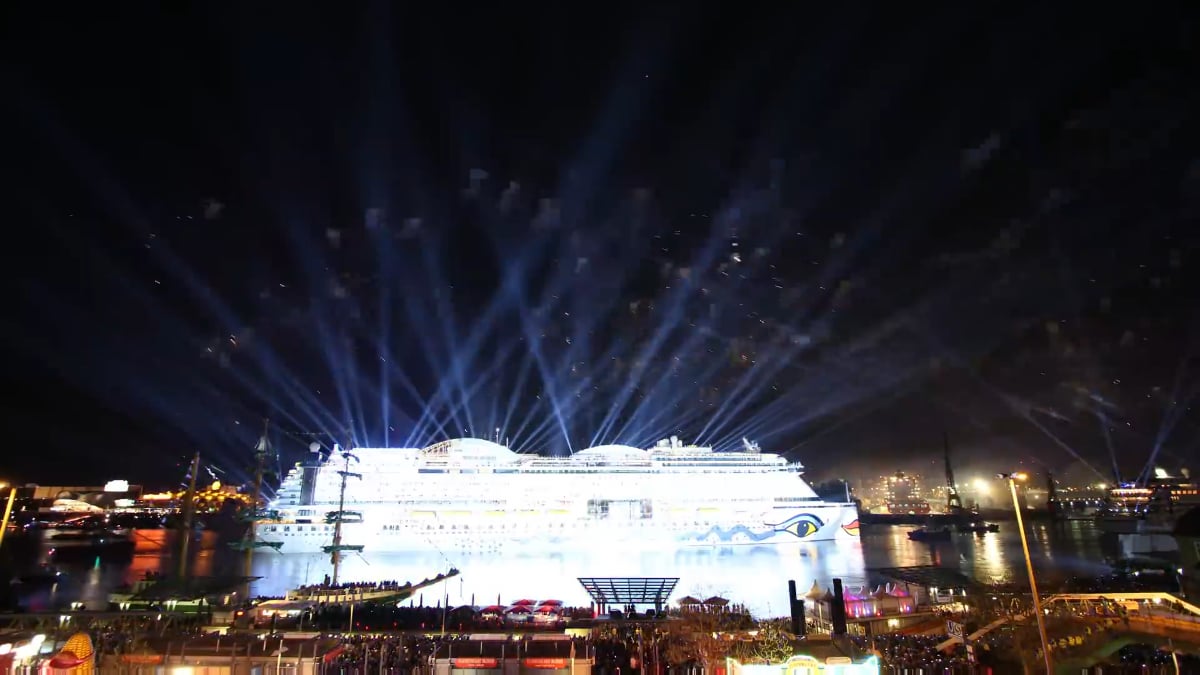
A cruise ship being built from the keel all the way till the bridge by Mitsubishi Heavy Industries in Nagasaki, Japan
Title: Keel to Bridge: Inside Mitsubishi Heavy Industries’ Masterful Construction of Luxury Cruise Ships in Nagasaki, Japan
Introduction
The construction of a modern cruise ship is an awe-inspiring feat of engineering, combining cutting-edge technology with decades of maritime expertise. At the forefront of this industry is Mitsubishi Heavy Industries (MHI), a Japanese titan renowned for its shipbuilding prowess. In its historic shipyard in Nagasaki, Japan, MHI meticulously transforms raw steel into floating palaces, crafting ships from the keel upward until the final installation of the bridge. This article takes you behind the scenes of this intricate process, highlighting MHI’s role in shaping the future of luxury cruising.
The Legacy of Mitsubishi Heavy Industries & Nagasaki Shipyard
For over a century, MHI’s Nagasaki Shipyard has been synonymous with innovation in shipbuilding. It is Japan’s largest and oldest shipyard, responsible for constructing some of the world’s most advanced vessels—from warships to massive LNG carriers. In cruise ship construction, MHI leverages this legacy to blend precision engineering, sustainability, and passenger-centric design.
Fun Fact: MHI built the iconic Diamond Princess, illustrating their capability to deliver large-scale, high-comfort cruise ships.
From Keel to Bridge: The Step-by-Step Construction Journey
Building a cruise ship requires precision at every stage. Here’s how MHI transforms blueprints into reality:
1. Laying the Keel: The Ship’s Backbone
The process begins with the keel-laying ceremony, a maritime tradition marking the official start of construction. The keel—the ship’s structural spine—is laid horizontally in MHI’s dry dock. Made from reinforced steel, it supports the vessel’s entire weight and ensures stability. At this stage, engineers weld the keel to pre-assembled blocks of the hull, forming the foundation for all future sections.
2. Building the Hull & Superstructure
Using advanced CAD (Computer-Aided Design) systems, MHI fabricates steel panels into hull segments in modular blocks. These blocks are lifted by massive cranes and welded together in the dry dock, forming the ship’s watertight outer shell. Simultaneously, the superstructure (upper decks housing cabins, pools, and amenities) is built from lightweight aluminum alloys to reduce weight and enhance fuel efficiency.
3. Installing the “Heart”: Engines & Propulsion
Beneath the waterline, MHI integrates state-of-the-art propulsion systems. Cruise ships built here often feature hybrid engines, LNG-powered systems, or even future-ready fuel cells to minimize emissions. The machinery spaces are carefully soundproofed to ensure passenger comfort, a hallmark of MHI’s designs.
4. Crafting Luxury Interiors
Once the hull is sealed, interior outfitting begins. Teams install:
- Hotels, theaters, and restaurants designed for elegance and functionality.
- Cabins and suites with sound-dampening materials and energy-efficient lighting.
- High-tech safety systems, including lifeboats, fire suppression, and stabilizers.
MHI collaborates with global interior designers to balance aesthetics with stringent maritime safety regulations.
5. The Final Touch: Installing the Bridge
The bridge—the ship’s command center—is installed near the vessel’s completion. It features integrated navigation systems, radar, and communication tools, all rigorously tested to meet IMO (International Maritime Organization) standards. MHI emphasizes ergonomics, ensuring crew visibility and ease of operation during long voyages.
Innovation & Sustainability: MHI’s Cutting-Edge Approach
MHI leads the industry in eco-friendly shipbuilding:
- Energy Efficiency: Advanced hull designs reduce drag and fuel consumption by up to 20%.
- Green Technology: Use of shore power connectivity and scrubbers to curb sulfur emissions.
- Automation: AI-assisted welding robots and 3D modeling ensure precision and reduce waste.
Why Nagasaki? The Shipyard’s Strategic Advantages
- Deep-Water Access: Nagasaki’s natural harbor accommodates large vessels for sea trials.
- Skilled Workforce: Generations of shipbuilders contribute unparalleled craftsmanship.
- Research Hub: Proximity to MHI’s R&D facilities accelerates innovation.
Conclusion: Setting Sail Toward the Future
Mitsubishi Heavy Industries’ cruise ships are not just vessels—they’re marvels of human ingenuity. From the foundational keel to the high-tech bridge, every component embodies Japan’s dedication to quality and innovation. As the cruise industry evolves, MHI’s Nagasaki Shipyard remains a cornerstone of luxury maritime travel, promising safer, greener, and more extravagant voyages for globetrotters.
SEO Keywords:
- Mitsubishi Heavy Industries cruise ship
- Nagasaki Shipyard construction
- How cruise ships are built
- Cruise ship keel to bridge
- Sustainable shipbuilding Japan
- MHI luxury ships
- Japanese cruise ship engineering
Meta Description:
Discover how Mitsubishi Heavy Industries builds cruise ships from the keel to bridge in Nagasaki, Japan. Explore their cutting-edge engineering, sustainability practices, and legacy in luxury shipbuilding.
Author’s Note:
For more insights on maritime engineering, explore our articles on “Green Shipping Technologies” or “The Evolution of Cruise Ship Design.” Subscribe for the latest updates on the future of travel!
Image suggestion for blog post: Include visuals of MHI’s cranes lifting hull blocks, interior renderings, and the Nagasaki Shipyard skyline.