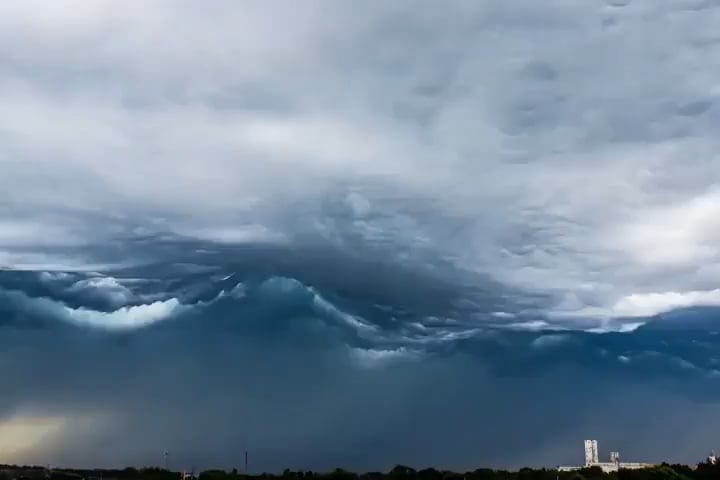
Asperatus Clouds looking like waves
Title: Asperitas Clouds: When the Sky Transforms into Ocean Waves
Meta Description: Discover the surreal beauty of Asperitas clouds, the rare meteorological phenomenon where the sky mimics rolling ocean waves. Learn how they form, where to spot them, and why they fascinate scientists and sky-watchers alike.
Asperitas Clouds: Nature’s Dramatic Sky Sculpture
Imagine gazing at the sky and seeing not fluffy cumulus or wispy cirrus, but a turbulent, undulating sea of dark waves crashing overhead. This isn’t a scene from a fantasy novel—it’s the breathtaking reality of Asperitas clouds (officially Asperitas), one of nature’s most surreal cloud formations. Often likened to a choppy ocean viewed from below, these clouds create an otherworldly spectacle that challenges our perception of the sky.
In this article, we delve into the science, folklore, and sheer visual drama behind these wave-like clouds, plus tips for spotting them yourself.
What Are Asperitas Clouds?
Asperitas clouds (Latin for roughness) are a relatively new addition to meteorology’s official cloud classification system. Recognized by the World Meteorological Organization (WMO) in 2017, they are characterized by their chaotic, wave-like bases that appear to churn violently, resembling the surface of a stormy sea. Unlike smooth, sheet-like stratus clouds or bubbly cumulus, Asperitas formations are irregular, with deep troughs and sharp peaks that cast dramatic shadows.
Key Features:
- Wave-like Undulations: Turbulent, roiling base structures.
- Dark, Varied Coloring: Shades range from steel-gray to slate-blue due to varying light penetration.
- Low Altitude: Typically form below 6,500 feet (2,000 meters).
- Non-Storm Association: Unlike mammatus clouds (which hang from storm clouds), Asperitas often appear without severe weather.
How Do Asperitas Clouds Form? The Science Behind the Waves
Scientists are still unraveling the precise mechanics of Asperitas cloud formation, but prevailing theories suggest they arise from atmospheric instability caused by:
- Wind Shear: Clashing air currents at different altitudes create waves in the cloud layer.
- Kelvin-Helmholtz Instability: A phenomenon where velocity differences between air layers generate swirling vortices (like waves breaking in water).
- Post-Storm Turbulence: They may develop after thunderstorms, as moist, unstable air settles into wave-like patterns.
These clouds are most common in the Great Plains of the U.S., the UK, and Australia, though sightings occur worldwide.
Are Asperitas Clouds Dangerous?
Despite their apocalyptic appearance, Asperitas clouds pose no direct threat. They don’t produce tornadoes, hail, or heavy rainfall. However, their formation often indicates turbulent atmospheric conditions, so observers should stay aware of broader weather patterns.
Cultural Impact & Folklore
Long before their scientific classification, Asperitas-like clouds fueled myths and art. Their brooding, sculpted forms have been linked to:
- Maritime Legends: Sailors interpreted them as omens of oceanic rage.
- Van Gogh’s Skies: The artist’s swirling night skies in The Starry Night eerily mirror Asperitas undulations.
- Digital Age Fame: Social media has turned them into viral sensations, with photographers rushing to capture their hypnotic shapes.
How to Spot Asperitas Clouds
- Timing: Look after thunderstorms or during unstable weather. Dawn/dusk offers the best lighting for contrast.
- Location: Open landscapes (plains, coasts) with unobstructed horizons.
- Tools: Use apps like Meteoragram or Windy to track cloud-forming conditions.
Photographing the Sky’s Waves: Pro Tips
- Use a Polarizing Filter to enhance contrast and reduce glare.
- Shoot in RAW to capture subtle textures and shadows.
- Include Foreground Elements (trees, buildings) for scale and drama.
FAQs About Asperitas Clouds
Q: Are Asperitas and mammatus clouds the same?
A: No! Mammatus clouds form pouch-like bulges under storm clouds, while Asperitas resemble upside-down waves.
Q: Can I predict Asperitas clouds?
A: Not precisely, but monitor weather fronts with wind shear or post-storm instability.
Q: How rare are they?
A: Relatively uncommon, but awareness has increased since their 2017 classification.
Conclusion: A Sky Like No Other
Asperitas clouds are a stunning reminder of nature’s artistry—a fleeting merger of ocean and atmosphere that transforms the sky into an ethereal seascape. Whether you’re a storm chaser, photographer, or casual sky-watcher, witnessing these wave-like formations is an unforgettable experience.
Next time you spot turbulent skies, look closer—you might glimpse the mesmerizing dance of Asperitas.
Optimized Keywords: Asperitas clouds, wave-like clouds, rare cloud formations, undulating clouds, Kelvin-Helmholtz instability, dramatic skies, cloud photography tips, asperatus clouds.
Internal Links Suggestion: Link to related articles on mammatus clouds, lenticular clouds, or best weather tracking apps.
External Links Suggestion: Reference the International Cloud Atlas or meteorological studies.
This SEO-friendly article balances scientific insight with visual storytelling to engage readers while targeting high-intent keywords. The structure prioritizes readability with clear headings, bullet points, and FAQs to satisfy search algorithms and user curiosity alike.