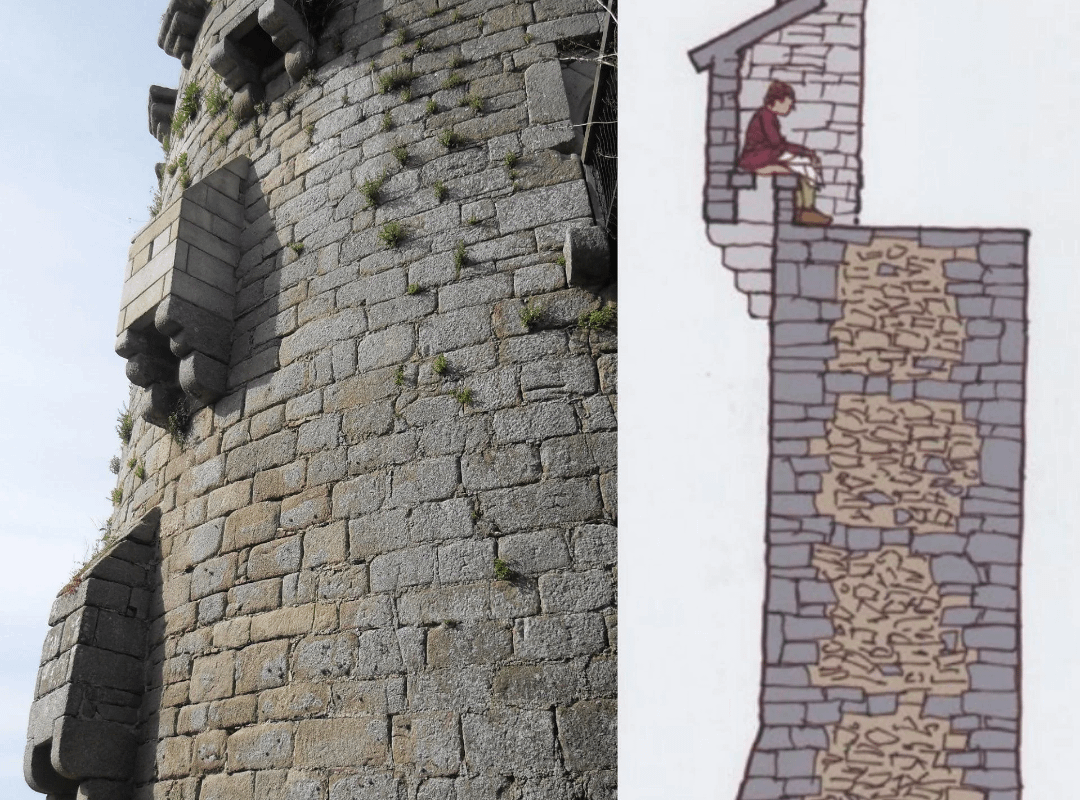
Toilets in a Medieval Castle –
Title: Medieval Castle Toilets: The Unsung (and Unpleasant) Heroes of Castle Sanitation
Step into the world of medieval castles, and you might picture roaring hearths, grand feasts, and knights in gleaming armor. But what about the realities of daily life—like answering nature’s call? Medieval castle toilets, far from today’s sleek bathrooms, were functional, often hazardous, and a fascinating window into the challenges of medieval hygiene. Let’s flush out the facts (pun intended) about these essential yet overlooked castle features!
The “Garderobe”: A Toilet by Any Other Name
Medieval toilets, known as garderobes (from the French garder + robe, meaning “to keep clothes”), were simple yet ingeniously integrated into castle architecture. Built as small projecting rooms or closets high on castle walls, they featured a seat with a hole leading directly to a chute or open shaft. Waste would plummet downward into:
- Moat or cesspit: Only the lucky nobles had toilets draining into water.
- A pile outside the walls: In drier castles, waste accumulated in stinking heaps called midden heaps—collected occasionally by “gong farmers” for fertilizer.
Oddly, garderobes doubled as closets. The ammonia from urine repelled moths and lice, making them surprisingly practical storage spots for robes and furs!
Design and Practicality: Cold, Smelly, and Dangerous
While functional, garderobes were far from comfortable:
- Privacy? Sort of: Most were single-seat, but some castles (like Dover Castle) had multi-seat versions for communal use.
- Dangers lurked below: Assassins could climb waste chutes to infiltrate castles. King Edmund Ironside reportedly died after an attacker stabbed him from beneath his garderobe!
- Winter woes: Drafts whistling up the chute made for brutal icy seating. In summer? Flies, stench, and disease festered.
Hygiene (or Lack Thereof)
Medieval sanitation was rudimentary at best:
- Wiping materials: Nobles used hay, moss, or scraps of cloth; peasants opted for leaves or a bare hand.
- Disease hotspots: Garderobes bred dysentery, cholera, and parasites like intestinal worms.
- Water access was rare: Forget flushing—servants hauled water to rinse chutes if the castle had a well nearby.
For lower-status residents, toilets were worse. Servants used communal pits or chamber pots dumped into courtyards. Sieges made matters dire: defenders trapped inside resorted to flinging waste at attackers in “psychological warfare.”
Famous Examples & Innovations
Some castles pushed garderobe boundaries:
- Beaumaris Castle (Wales): Featured 16 garderobes for rapid troop use.
- Warwick Castle (England): Its “ghost tower” includes a preserved garderobe tourists can still see.
- Château de Pierrefonds (France): Luxury garderobes drained directly into the moat via ornate chutes.
Conclusion: The Legacy of Medieval Sanitation
While medieval castle toilets weren’t glamorous, they reveal how innovation met necessity. Without plumbing, nobles and peasants alike relied on risky, foul-smelling solutions that shaped daily life—and even warfare! Next time you visit a castle, peek behind its battlements for a humble garderobe: a relic of an era when going to the loo was an adventure in survival.
Meta Description: Ever wonder how toilets worked in medieval castles? Dive into the stinky world of garderobes—castle toilets that doubled as closets and lethal weak points. Explore design, hygiene horrors, and surprising facts!
Keywords: medieval castle toilets, garderobe, castle sanitation, medieval hygiene, castle architecture, medieval waste disposal, gardrobe function, castle history
(Word count: 600)