In 1907, Yoshitaro Shibasaki and his team climbed Mount Tsurugi, once thought to be Japan’s last unclimbed mountain. At the summit, they discovered a metal cane decoration and a sword, later found to have been left there over 1,000 years earlier
Title: Yoshitaro Shibasaki’s 1907 Quest: How Mount Tsurugi’s Summit Rewrote Japanese History
Meta Description: Discover the story of Yoshitaro Shibasaki’s historic 1907 climb of Mount Tsurugi, once Japan’s “last unclimbed peak,” and the astonishing 1,000-year-old artifacts found at its summit.
The Legend of Mount Tsurugi: Japan’s “Unclimbed” Peak
For centuries, Japan’s Mount Tsurugi (Tsurugidake) stood as a symbol of mystery and reverence. Rising 2,999 meters (9,839 feet) in the rugged Northern Alps of Honshu, its jagged ridges and treacherous slopes fueled folklore that painted the mountain as sacred, forbidden, or even cursed. By the early 20th century, it was widely regarded as Japan’s last major unsummited peak—until a small team led by explorer Yoshitaro Shibasaki set out to conquer it in 1907.
What they discovered at the summit would rewrite assumptions about Tsurugi’s history and challenge Japan’s understanding of its ancient past.
The 1907 Expedition: Breaking the Myth of the “Unclimbed” Mountain
In late August 1907, Yoshitaro Shibasaki—a skilled mountaineer and surveyor—assembled a team to attempt the first confirmed ascent of Mount Tsurugi. Accompanied by local guides and fellow climbers, Shibasaki navigated the mountain’s infamous “Needle Ridge” and vertigo-inducing drops, driven by scientific curiosity and national interest in mapping Japan’s uncharted terrain.
Their success on August 25, 1907, was celebrated as a triumph of modern exploration. Yet amid the victory came a shock: evidence that humans had reached the summit long before them.
The Astonishing Discovery: Artifests Frozen in Time
At Mount Tsurugi’s windswept peak, Shibasaki’s team uncovered two corroded objects:
- A metal ornamental cane (Yatsurugi)
- A fragmented sword blade
Initially dismissed as recent debris, experts later determined these artifacts were over 1,000 years old, dating to Japan’s Nara (710–794) or early Heian (794–1185) periods. The cane—likely part of a ceremonial Buddhist staff—and the sword’s design hinted at a possible ritual offering by ascetic monks or pilgrims.
Rewriting History: How Ancient Humans Conquered Tsurugi
The artifacts ignited scholarly debates:
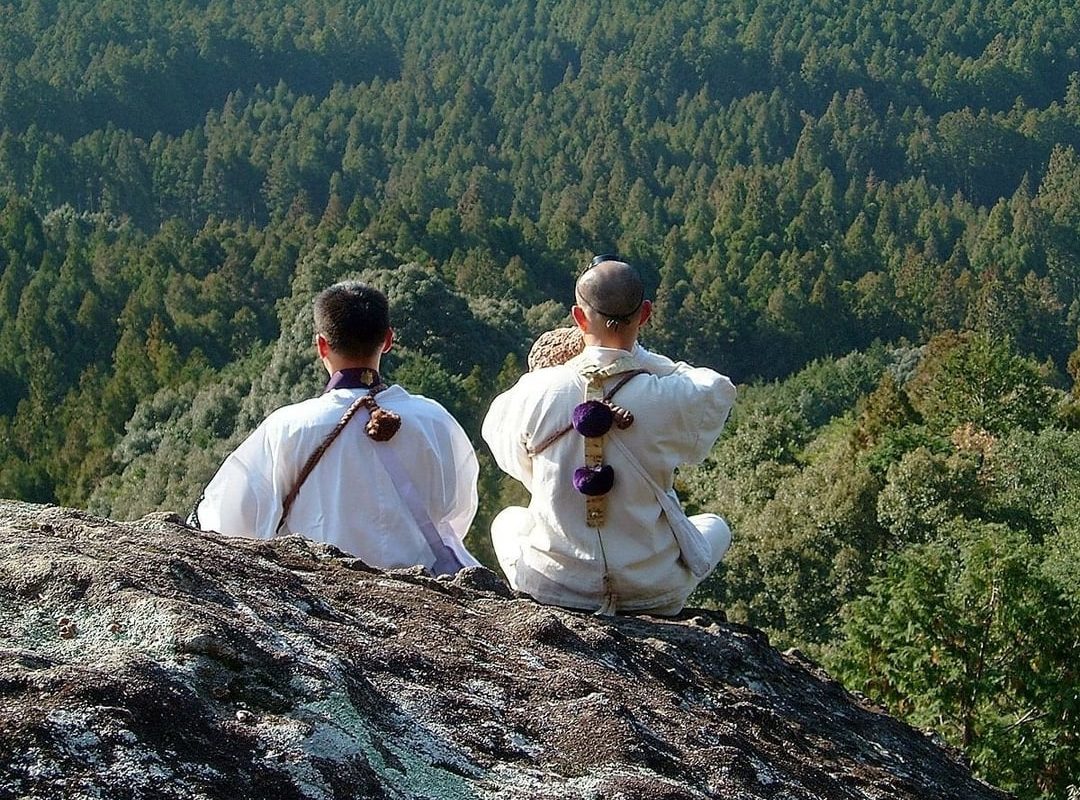
- Sacred Rituals: Mount Tsurugi’s name (“Sword Peak”) and sword-shaped silhouette likely tied it to Shugendō practices, where monks sought enlightenment through mountain austerity. The offerings may have honored deities thought to dwell atop the peak.
- Premodern Climbing Feats: The discovery proved premodern Japanese climbers—possibly aided by iron spikes or ropes—ascended Tsurugi centuries before modern tools existed, defying its “unclimbed” mythology.
- Cultural Symbolism: Swords represented spiritual power in ancient Japan, suggesting the summit was seen as a portal to another realm.
Legacy of the Climb: Science vs. Folklore
Shibasaki’s ascent marked a turning point for Japanese mountaineering, but the artifacts’ origins deepened Tsurugi’s mystique. Scholars argue they support oral traditions of ancient ascents, while skeptics note gaps in recorded history.
The sword fragment and cane are now displayed at the Tateyama Museum of Toyama, drawing tourists and historians alike to ponder Tsurugi’s secrets. Meanwhile, the mountain remains a pilgrimage site for Shugendō practitioners—a bridge between past and present.
Conclusion: Why Tsurugi’s Story Still Matters
Yoshitaro Shibasaki’s 1907 climb didn’t just conquer a peak—it unveiled layers of Japan’s spiritual and exploratory heritage. For adventurers, the tale blends human daring with enduring mystery. For historians, it’s a lesson: even “untouched” landscapes can hold echoes of those who came before.
Mount Tsurugi stands today as a testament to Japan’s dual legacy of innovation and reverence—a summit where modern explorers walk in the footsteps of ancient pilgrims.
Keywords for SEO: Yoshitaro Shibasaki, Mount Tsurugi climb 1907, Mount Tsurugi artifacts, ancient sword Japan, unclimbed mountains Japan, Shugendō practices, Heian period mountain rituals, Tateyama Museum, Japanese mountaineering history.
Internal Linking Opportunities:
- “Japan’s Sacred Mountains: Shugendō and Spiritual Ascents”
- “Top 10 Legendary Climbs in Japanese History”
- “The Science of Dating Ancient Artifacts: A Case Study”
External Sources:
- Toyama Prefectural Tateyama Museum (official collection records)
- Journal of Japanese Mountaineering History (scholarly analyses of the Tsurugi artifacts)
- UNESCO World Heritage: Sacred Sites of the Japanese Alps
Engage Further: Share your thoughts! Was Mount Tsurugi truly “unclimbed” before 1907, or did ancient ascetics hide their journeys in myth? Comment below or explore our deep-dive into Japan’s mountain folklore.