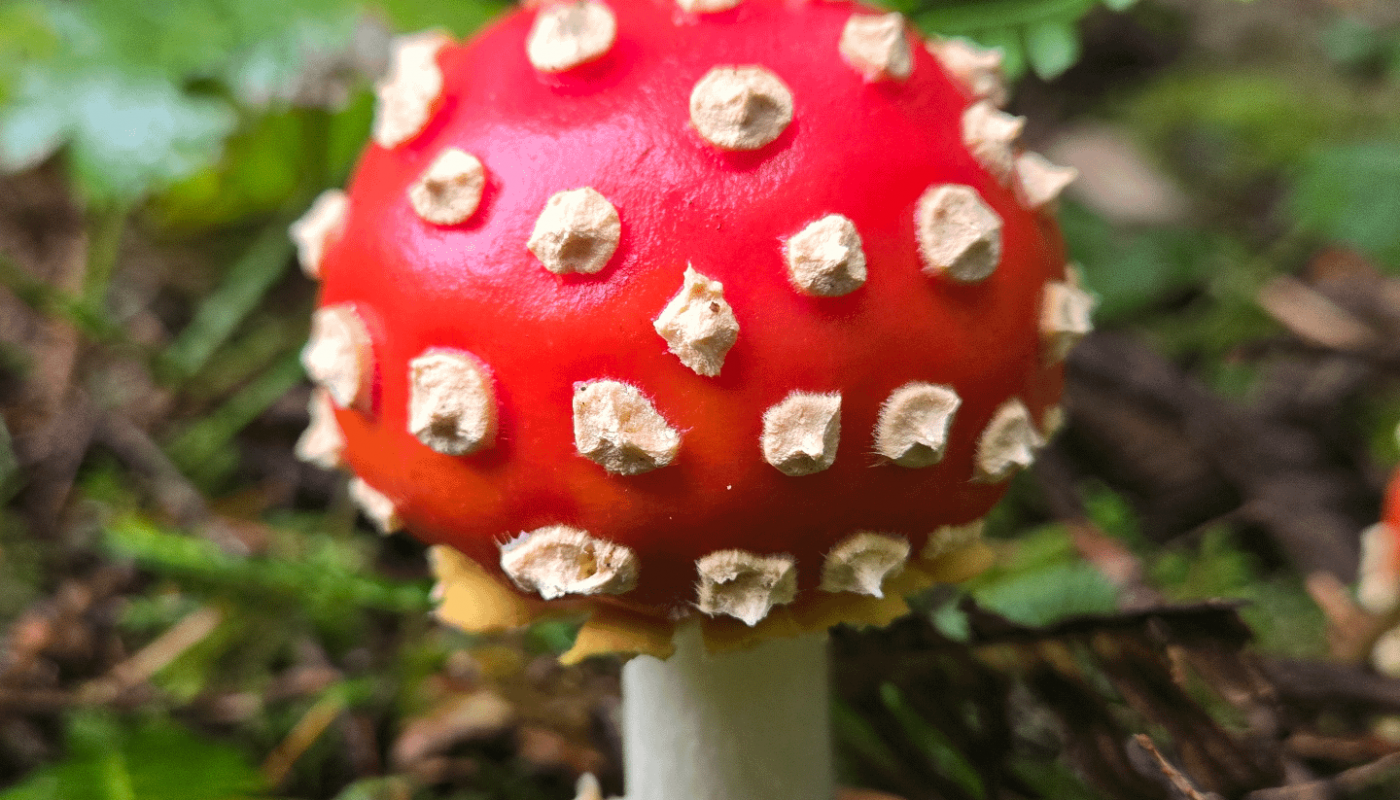
Amanita muscaria spotted near Newport, Oregon
Title: Exploring the Fascinating Fungi of the Oregon Coast: A Guide to Mushroom Spotting
The Oregon Coast is a treasure trove of biodiversity, where lush forests meet the rugged Pacific shoreline. Among its many natural wonders, mushrooms thrive in the cool, damp climate—especially after seasonal rains. If you’ve spotted an intriguing mushroom during your coastal adventure, you’re not alone! In this guide, we’ll dive into the types of fungi you might encounter on the Oregon Coast, how to identify them safely, and why these organisms are vital to the ecosystem.
Why the Oregon Coast is a Mushroom Paradise
The Oregon Coast’s temperate rainforests, decaying driftwood, and fern-carpeted floors create the perfect habitat for fungi. Late fall and early winter—when moisture levels peak—are prime times for mushroom sightings. From towering conifers to sandy dunes, mushrooms play a vital role here, breaking down organic matter and nurturing plant life.
Common Mushrooms You Might Spot on the Oregon Coast
While identifying mushrooms requires expertise (and caution!), here are some species frequently seen in the region:
-
Giant Puffball (Calvatia gigantea)
- Appearance: Round, white, and smooth, resembling a softball or larger.
- Habitat: Grasslands or forest clearings near the coast.
- Fun Fact: When young, these edible mushrooms are prized by foragers.
-
Pacific Golden Chanterelle (Cantharellus formosus)
- Appearance: Vibrant yellow-orange, trumpet-shaped caps with wavy edges.
- Habitat: Mossy conifer forests; often near salal or Oregon grape.
- Culinary Note: A Pacific Northwest delicacy with a fruity aroma.
-
Coral Mushroom (Ramaria spp.)
- Appearance: Branching, coral-like structures in red, yellow, or white.
- Habitat: Decaying logs or soil in old-growth forests.
- Caution: Some species are toxic—admire, don’t taste!
-
Fly Agaric (Amanita muscaria)
- Appearance: Classic red cap with white speckles, like a fairy-tale mushroom.
- Habitat: Under Douglas firs or Sitka spruces.
- Warning: Highly poisonous but iconic in coastal lore.
-
Turkey Tail (Trametes versicolor)
- Appearance: Colorful, fan-shaped brackets with concentric rings in blues, browns, and greens.
- Habitat: Fallen logs or stumps.
- Role: A decomposer vital for forest health.
The Mushroom You Saw: Clues to Identify It
If you spotted a mushroom recently, consider these identifying features:
- Cap & Stem: Shape, color, texture (e.g., slimy, scaly, or velvety).
- Gills/Pores: Are they visible under the cap? White, brown, or another hue?
- Habitat: Was it growing on soil, wood, or moss?
- Nearby Flora: Associated trees (e.g., spruce, cedar) can hint at mycorrhizal relationships.
Example: A small, clustered mushroom on driftwood could be a Mycena species (a “bonnet” mushroom), common in coastal decay zones.
Mushroom Safety: Admire, Don’t Assume!
While mushroom spotting is exciting, foraging requires extreme caution:
❌ Never eat wild mushrooms without confirmation from an expert. Deadly look-alikes exist!
✅ Take photos, not samples: Preserve habitats and use apps like iNaturalist to crowdsource IDs.
✅ Join a Fungal Foray: Organizations like the Oregon Mycological Society host guided walks.
The Ecological Magic of Fungi
Mushrooms are more than eye-catching—they’re ecosystem engineers:
- Decomposers: Break down dead wood and leaves, recycling nutrients.
- Symbiotic Partners: Mycorrhizal fungi (like chanterelles) exchange nutrients with tree roots.
- Wildlife Food: Squirrels, slugs, and insects feast on fungi.
How to Responsibly Enjoy Oregon Coast Mushrooms
- Leave No Trace: Avoid trampling sensitive habitats.
- Photograph Creatively: Capture details like gills, spores, or morning dew.
- Visit in Fall/Winter: After rains, mushrooms erupt like hidden jewels.
Final Thoughts
The mushroom you encountered on the Oregon Coast is a tiny marvel in a vast, interconnected web of life. Whether you found a luminous chanterelle or an enigmatic amanita, take joy in knowing these fungi sustain the forests, dunes, and trails we love. When in doubt, admire from a distance—and let curiosity fuel your next coastal exploration!
Meta Description: Discover the captivating mushrooms of the Oregon Coast! Learn how to identify common species like chanterelles, puffballs, and turkey tails—plus safety tips for your next fungal adventure.
Keywords: Oregon Coast mushrooms, Pacific Northwest fungi identification, Oregon chanterelle foraging, coastal mushroom safety, Oregon Mycological Society, wild mushrooms in Oregon, fungi ecology.
Header Tags:
- H1: Exploring the Fascinating Fungi of the Oregon Coast
- H2: Why the Oregon Coast is a Mushroom Paradise
- H2: The Mushroom You Saw: Clues to Identify It
- H3: How to Responsibly Enjoy Oregon Coast Mushrooms