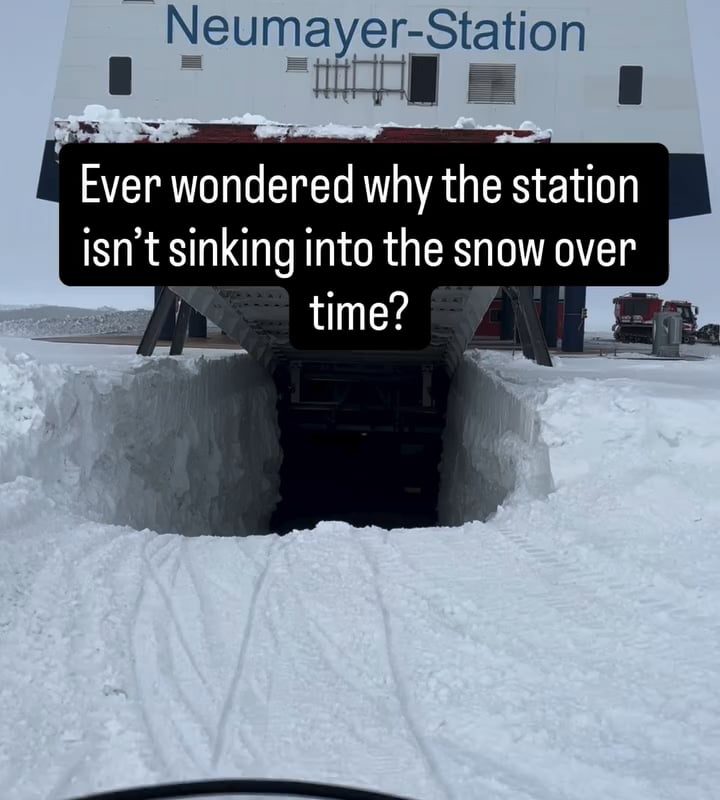
Realigning bipods at Neumayer Station in Antarctica
Title: Ensuring Stability in the Extreme: Realigning Bipods at Neumayer Station, Antarctica
Meta Description: Discover how engineers and scientists at Neumayer Station in Antarctica maintain structural integrity by realigning bipods—an essential task in Earth’s harshest environment.
Introduction
Antarctica’s Neumayer Station III, operated by Germany’s Alfred Wegener Institute (AWI), stands as a marvel of polar engineering. Designed to withstand temperatures plunging below -50°C and relentless blizzards, this advanced research hub rests on hydraulic stilts to avoid burial by accumulating snow. Critical to its stability are its bipods: specialized supports anchoring the station to the ice shelf. Realigning these bipods is not just routine maintenance—it’s a survival imperative. This article explores the challenges, techniques, and importance of bipod realignment in Antarctica’s unforgiving wilderness.
Why Bipod Realignment Matters
Neumayer Station III is built atop the Ekström Ice Shelf, a dynamic surface that shifts and deforms due to ocean currents, glacial flow, and seasonal freeze-thaw cycles. Over time, these forces strain the station’s bipods—scissor-like steel supports that distribute weight and absorb movement. Failure to realign them could lead to:
- Structural stress threatening laboratory equipment and living quarters.
- Safety risks for crews during extreme weather events.
- Data discontinuity disrupting long-term climate and atmospheric research.
Regular realignment ensures the station remains level, secure, and operational year-round.
The Realignment Process: Precision in Polar Conditions
1. Timing the Operation
Work occurs during Antarctica’s “summer” (November–February), when temperatures hover around -20°C, and daylight lasts 24 hours. Even then, teams face sudden storms, requiring meticulous planning.
2. Assessing Bipod Positioning
Engineers use laser surveying tools and GPS trackers to measure shifts in the ice shelf and bipod alignment. Data is compared against baseline measurements to identify deviations as small as a few centimeters.
3. Hydraulic Adjustments
Neumayer’s hydraulic stilts allow technicians to lift the station slightly off the ice. Using motorized jacks, crews painstakingly reposition each bipod to compensate for ice movement. Precision is critical—misalignment could destabilize the entire structure.
4. Re-Securing and Testing
Once realigned, bipods are locked into place, and sensors monitor load distribution. Stress tests simulate wind loads of up to 120 km/h to confirm stability.
Challenges of Working in Antarctica
Realigning bipods isn’t just technical—it’s a battle against nature:
- Extreme Cold: Tools malfunction, metal becomes brittle, and exposed skin freezes within minutes.
- Logistical Constraints: Spare parts must be shipped or flown in during brief cargo windows.
- Human Endurance: Crews work in shifts, battling fatigue and isolation in one of Earth’s most remote locations.
“Every adjustment feels like threading a needle while wearing mittens,” says AWI engineer Lars Kaleschke. “But this work safeguards decades of scientific progress.”
Broader Implications for Polar Research
Neumayer Station supports vital studies on climate change, oceanography, and space weather. Realigning bipods isn’t solely about structural upkeep—it ensures uninterrupted data collection for global research, including:
- Tracking atmospheric CO₂ trends.
- Monitoring ice shelf dynamics linked to sea-level rise.
- Studying cosmic rays and auroras.
Failure to maintain the station could compromise datasets used by scientists worldwide.
Lessons for Extreme Engineering
Neumayer’s bipod system offers insights for resilient infrastructure in harsh climates, from Arctic oil rigs to Mars habitat concepts. Key takeaways include:
- Modular Design: Enables adjustments without full disassembly.
- Automation: Future iterations may use AI-driven sensors for real-time adjustments.
- Redundancy: Multiple bipods ensure no single point of failure.
Conclusion
At Neumayer Station, realigning bipods symbolizes humanity’s determination to thrive in Antarctica’s extremes. This intricate process blends cutting-edge engineering with sheer human grit, preserving a lifeline for science at the bottom of the world. As climate change accelerates, maintaining such outposts grows even more crucial—a testament to human ingenuity in Earth’s final frontier.
Keywords: Neumayer Station, Antarctica research station, bipod realignment, polar engineering, structural maintenance, Alfred Wegener Institute, Antarctic logistics, ekström ice shelf, hydraulic stilts.
Image Alt Text Suggestions:
- “Engineers adjusting bipods under the midnight sun at Neumayer Station, Antarctica.”
- “Aerial view of Neumayer Station III on hydraulic stilts.”
- “Scientist using laser level to measure bipod alignment.”
By optimizing for terms like “Antarctica research station maintenance” and “polar engineering challenges,” this article caters to researchers, engineers, and science enthusiasts seeking insights into sustaining operations in extreme environments.