Building concrete structures with machine.
Building Concrete Structures with Machines: Revolutionizing Modern Construction
Concrete has long been the backbone of modern infrastructure, forming everything from highways and bridges to skyscrapers and homes. But as technology advances, traditional manual methods of concrete construction are increasingly being replaced by machinery. The use of machines in concrete construction not only enhances efficiency and precision but also improves safety and sustainability. In this article, we explore how modern machinery is transforming the way we build with concrete.
The Shift Toward Machine-Driven Concrete Construction
Gone are the days when concrete work relied solely on manual labor. Today, advanced machinery streamlines every phase of concrete construction—from mixing and pouring to curing and finishing. This shift is driven by the need for faster project timelines, cost efficiency, and higher-quality outcomes. Machines ensure consistency, reduce human error, and enable the construction of complex structures that would be otherwise impractical.
Types of Machines Used in Concrete Construction
Here’s a breakdown of key machinery revolutionizing the industry:
-
Concrete Batching Plants
- Automated plants precisely mix cement, aggregates, water, and additives to create uniform concrete batches.
- Benefits: Reduced waste, consistent quality, and scalability for large projects.
-
Concrete Mixer Trucks
- Mobile mixers transport ready-mix concrete from plants to sites while preventing premature hardening.
- Ideal for urban projects needing just-in-time delivery.
-
Concrete Pumps
- Boom pumps or line pumps transport liquid concrete through pipelines, reaching heights and distances impossible with manual methods.
- Perfect for high-rise buildings or sites with limited access.
-
Concrete Pavers
- Used in roadwork and flooring, pavers spread and level concrete slabs with unmatched speed and uniformity.
- Ensures smooth surfaces for roads, airport runways, and industrial floors.
-
Automated Screeds and Finishing Machines
- Laser-guided screeds level concrete slabs with millimeter precision.
- Power trowels polish surfaces faster and more consistently than manual labor.
-
Prefabrication Machinery
- Machines mold concrete components (e.g., walls, beams) in controlled factory settings before onsite assembly.
- Reduces construction time and waste while improving structural integrity.
Advantages of Machine-Built Concrete Structures
-
Speed & Efficiency
- Machines work 24/7, accelerating project timelines by up to 50%. Example: A robotic concrete printer can erect a small house in under 48 hours.
-
Precision & Quality Control
- Automated systems eliminate human error, ensuring dimensions, strength, and finishes meet exact specifications.
-
Cost Savings
- Reduced labor costs and material waste offset initial machinery investments. Long-term savings arise from fewer reworks and delays.
-
Enhanced Safety
- Machines handle heavy lifting, reducing the risk of onsite injuries (e.g., back strain, falls).
-
Sustainability
- Precise mixing reduces cement waste, while electric or hybrid machinery lowers carbon footprints.
Challenges to Consider
While machines offer immense benefits, challenges remain:
- High Initial Costs: Purchasing or renting advanced equipment requires significant upfront investment.
- Skilled Operators: Workers need training to operate and maintain sophisticated machinery.
- Site Limitations: Large equipment may be impractical for small or irregularly shaped sites.
Future Trends: AI, Robotics, and 3D Printing
The next frontier in concrete construction involves:
- AI-Powered Machinery: Algorithms optimize mix designs and predict curing times.
- Robotic Arms: Automate rebar tying, welding, and complex reinforcement tasks.
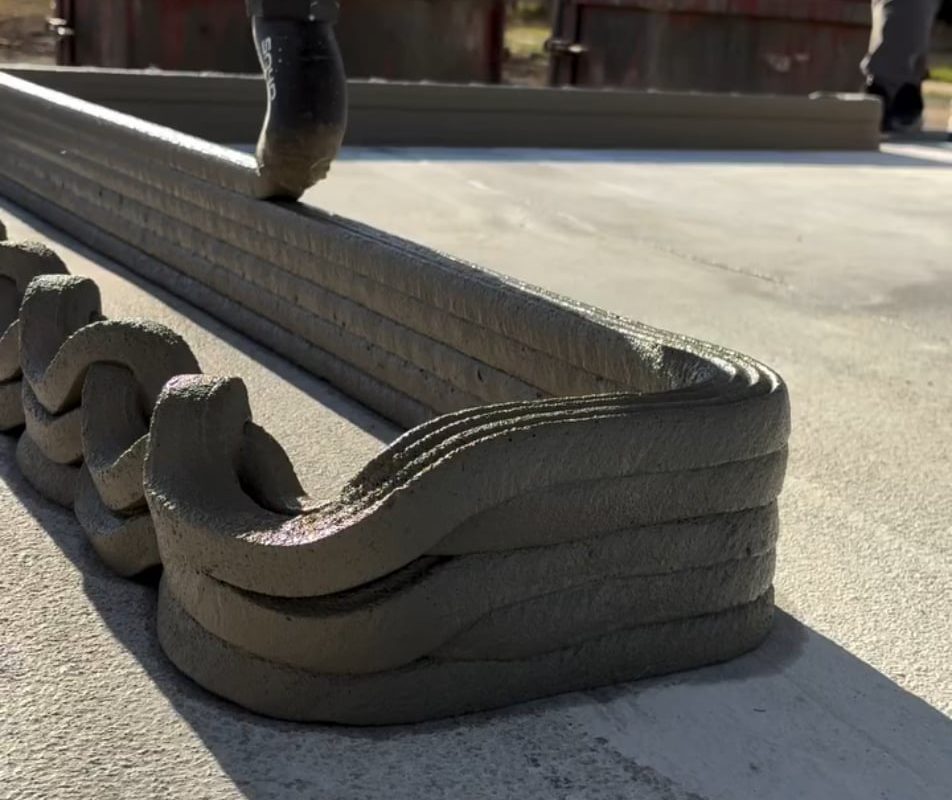
- 3D Concrete Printing: Build entire structures layer-by-layer using robotic extruders, enabling unprecedented architectural freedom.
Conclusion
Machines are reshaping concrete construction into a faster, safer, and more sustainable industry. From batching plants to 3D printers, automation ensures structures are built stronger, smarter, and with greater efficiency than ever before. As technology evolves, embracing these innovations will be critical for contractors aiming to stay competitive in a rapidly advancing field.
By integrating machinery into concrete workflows, the construction industry isn’t just building structures—it’s building the future.
Keywords: concrete construction machinery, automated concrete pouring, concrete pumping equipment, robotic concrete technology, 3D printed concrete, modern concrete techniques.
Meta Description: Discover how machines are revolutionizing concrete construction—from mixing to 3D printing. Learn the benefits, key machinery, and future trends shaping the industry.