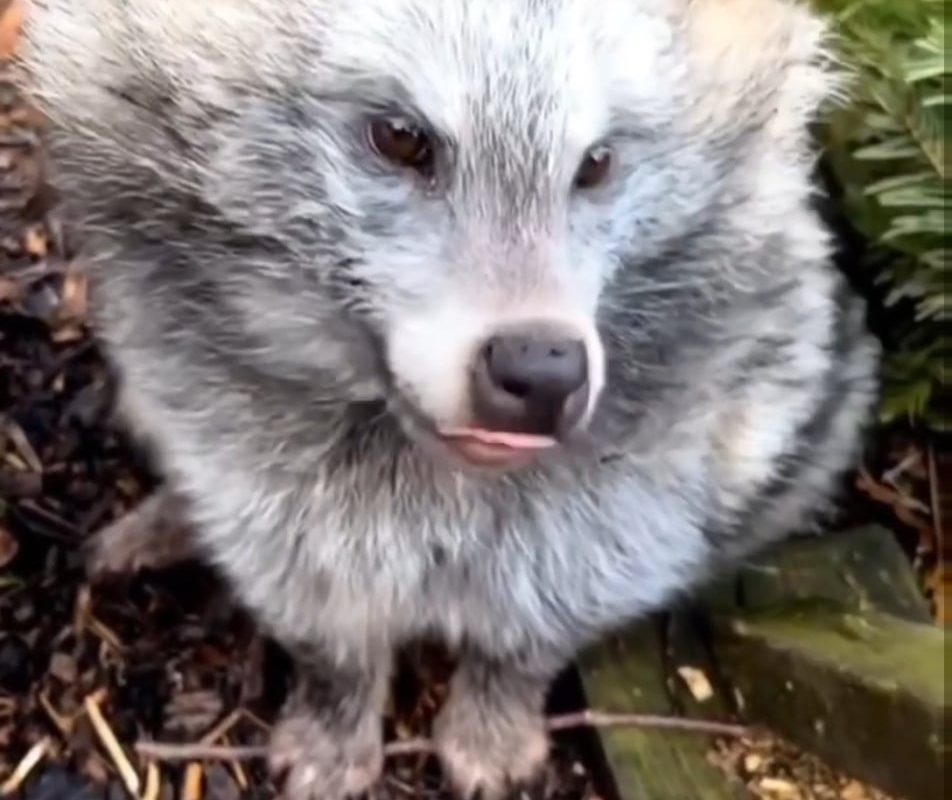
The Japanese raccoon dog.
The Japanese Raccoon Dog (Tanuki): Nature, Mythology, and Cultural Icon
Introduction
The Japanese raccoon dog, or tanuki (Nyctereutes viverrinus), is one of Japan’s most beloved and enigmatic creatures. A symbol of folklore, prosperity, and mischief, the tanuki holds a unique place in both Japan’s natural world and its cultural imagination. In this article, we’ll explore the biology, habitat, and fascinating mythology of this iconic animal, along with its role in modern conservation efforts.
What is a Tanuki? The Biology Behind the Myth
Despite its raccoon-like appearance, the tanuki is a distinct species belonging to the canid family—closer to foxes and wolves than raccoons. Key traits include:
- Distinctive Appearance: Rust-colored fur, a black-and-white masked face, and a stocky build.
- Adaptability: Thrives across Japan’s forests, farmlands, and even urban areas.
- Omnivorous Diet: Eats insects, small animals, fruits, and scavenged human leftovers.
- Winter Survival: Unlike most canids, tanuki hibernate (or enter torpor) during harsh winters.
Tanuki in Japanese Folklore: Shapeshifters and Tricksters
The tanuki is deeply woven into Japan’s legends, depicted as a mischievous yōkai (supernatural spirit) with magical abilities. Famous folklore themes include:
- Shape-Shifting: Tanuki transform into humans, objects, or other animals to prank travelers.
- Symbol of Prosperity: Statues of rotund, smiling tanuki—often holding a sake bottle—guard shops and homes, inviting wealth and good fortune.
- The Legendary “Eight Virtues”: Folktales describe tanuki wielding oversized testicles (a symbol of luck) as drums, boats, or raincoats—a humorous metaphor for resourcefulness.
Modern-Day Tanuki: Conservation and Coexistence
Once hunted for their fur, tanuki populations stabilized due to legal protections and their adaptability. However, challenges remain:
- Habitat Loss: Urban sprawl encroaches on forests and wetlands.
- Road Hazards: Tanuki are frequently victims of vehicle collisions.
- Cultural Recognition: Efforts like “Tanuki Protection Forests” blend conservation with community education.
Where to Spot Tanuki in Japan
Though elusive, tanuki sightings are possible:
- Hokkaido’s Wilderness: Japan’s northernmost island hosts dense populations.
- Rural Areas: Farmlands near forests provide ideal foraging grounds.
- Cultural Sites: Tanuki statues abound at temples, restaurants, and parks (e.g., Tokyo’s Shōwa Kinen Park).
Tanuki vs. Raccoons: Busting Myths
Though often confused, tanuki and raccoons (introduced to Japan as pets) differ drastically:
| Trait | Tanuki | Raccon |
|—————|————————|———————–|
| Species | Canid (Nyctereutes) | Procyonid (Procyon) |
| Tail | Bushy, with dark tip | Ringed |
| Behavior | Hibernates | No hibernation |
Why the Tanuki Endures in Japanese Culture
From Studio Ghibli films (Pom Poko) to regional festivals, the tanuki symbolizes resilience, humor, and harmony with nature. Its dual identity—real animal and mythical prankster—reflects Japan’s reverence for wildlife and storytelling.
Conclusion
The Japanese raccoon dog is more than a curious mammal—it’s a cultural touchstone bridging nature and legend. By protecting tanuki habitats and honoring their folklore, Japan preserves a cornerstone of its ecological and mythological heritage. Whether encountered in a forest, a shrine, or an animated tale, the tanuki continues to enchant, reminding us of the magic hidden in the wild.
Keywords for SEO: Japanese raccoon dog, tanuki, Nyctereutes viverrinus, tanuki folklore, tanuki mythology, tanuki yokai, Japanese wildlife, Japan conservation