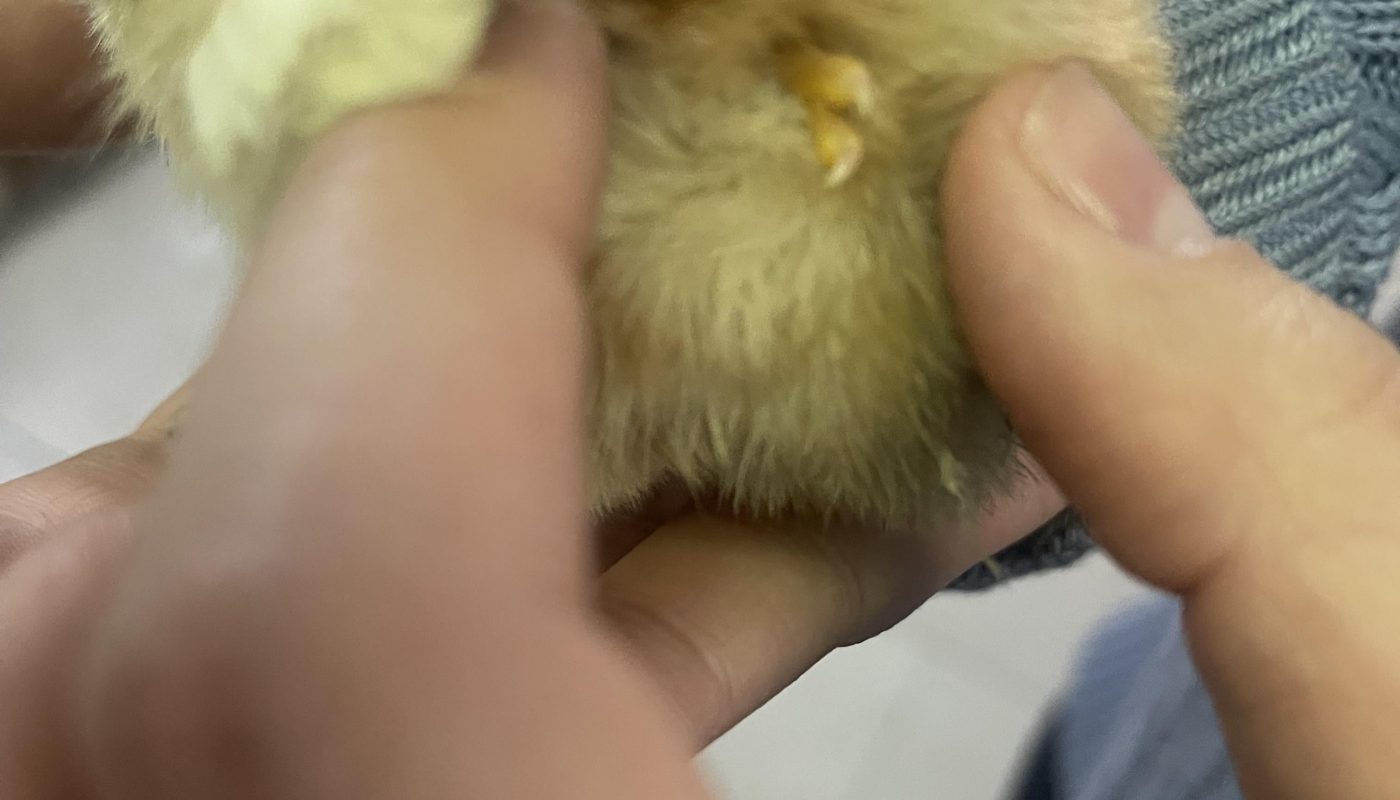
My baby chick has a third little foot.
Title: My Baby Chick Has a Third Little Foot: Causes, Care, and What to Do
Introduction: A Rare but Fascinating Anomaly
Discovering that your baby chick has a third little foot can be surprising, alarming, or even endearing. While unusual, this phenomenon—known as polymelia—does occur in poultry and other animals. This article explains why it happens, whether it’s dangerous to the chick, and how to provide the best care for your unique feathered friend.
What Is Polymelia? Understanding the Extra Limb
Polymelia is a congenital condition where an animal is born with extra limbs. In chickens, this often appears as a small, non-functional foot or leg attached to the body, typically near the abdomen or base of the normal legs. The extra foot may be fully formed or underdeveloped, and it rarely impairs mobility unless it’s positioned awkwardly.
Why Did This Happen? Common Causes
Several factors can lead to polymelia in chicks:
-
Genetic Mutations
Spontaneous genetic changes during embryonic development can disrupt limb formation. This isn’t always hereditary but may occur randomly. -
Environmental Toxins or Medications
Exposure to pesticides, herbicides, or certain antibiotics administered to the hen during egg formation might interfere with fetal development. -
Incubation Issues
Temperature fluctuations, humidity imbalances, or improper egg turning can increase the risk of developmental anomalies. -
Twinning Gone Wrong
In rare cases, an absorbed twin embryo can leave behind residual tissue, such as an extra limb.
Will the Extra Foot Harm My Chick?
In most cases, the third foot is harmless and doesn’t affect the chick’s health or longevity. However, monitor for these potential concerns:
- Mobility Challenges: If the extra foot causes imbalance or drags, the chick might struggle to walk or rest comfortably.
- Infection or Injury: The limb could snag on bedding or get pecked by other chicks. Keep the brooder clean and hazard-free.
- Internal Complications: Rarely, polymelia is linked to spinal or organ defects. A veterinarian can rule out these issues.
Caring for a Chick With Polymelia
-
Provide a Safe Brooder Environment
Use soft bedding (e.g., pine shavings) to prevent scrapes. Avoid wire floors or sharp objects that could catch the extra limb. -
Monitor Mobility and Behavior
Ensure the chick can access food, water, and warmth. Separate it from aggressive flockmates if needed. -
Consult a Poultry Veterinarian
A vet can assess whether the limb poses a risk or needs removal (typically only if it’s causing pain or infection). -
Adapt as They Grow
Larger chicks may need more space to move comfortably. Observe for signs of stress, such as lethargy or reduced eating.
Can a Chicken With Polymelia Live Normally?
Yes! Many chickens with minor polymelia thrive with no special care. They can forage, perch, and socialize like others in the flock. Note that breeding these birds isn’t recommended, as genetic causes could pass to offspring.
When to Seek Help: Warning Signs
Contact a vet if the chick shows:
- Difficulty standing or walking
- Swelling, redness, or discharge near the extra foot
- Refusal to eat or drink
- Labored breathing (indicative of internal issues)
Conclusion: Embracing Uniqueness
While a third foot might seem startling, most polymelic chicks live happy, healthy lives with attentive care. Stay observant, prioritize their comfort, and celebrate your one-of-a-kind addition to the flock!
Final Tip: Share your chick’s story in online poultry communities—you’ll find support from others who’ve navigated similar quirks of nature!
SEO Keywords:
baby chick third foot, polymelia in chickens, chicken birth defects, extra limb on chick, caring for disabled chick, poultry veterinarian advice, chick health anomalies.
Meta Description:
Worried about your baby chick’s third foot? Learn why polymelia happens, how to care for your special chick, and when to consult a vet. Essential tips inside!