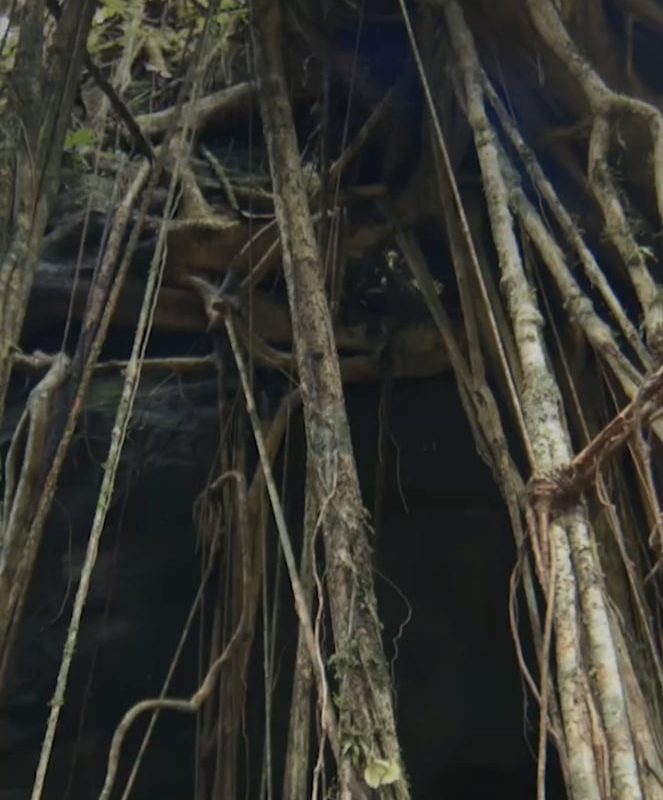
Root bridges
Title: Root Bridges of Meghalaya: Nature’s Ingenious Living Architecture
Meta Description: Discover the awe-inspiring root bridges of Meghalaya—living wonders crafted by ancient Khasi traditions. Learn how these sustainable bridges grow, where to find them, and why they’re vital to eco-tourism.
Introduction: The Living Bridges That Defy Time
Deep in the rainforests of Meghalaya, India, nature and human ingenuity merge to create one of the world’s most astonishing feats of bio-engineering: living root bridges. These functional bridges, woven from the aerial roots of rubber fig trees (Ficus elastica), are not just natural wonders—they embody centuries-old Indigenous knowledge and sustainable design.
This article explores the history, construction, and significance of Meghalaya’s iconic root bridges, offering insights for travelers, environmentalists, and curious minds alike.
1. What Are Root Bridges?
Root bridges are fully organic, load-bearing structures formed by training the roots of rubber fig trees across rivers and gorges. Unlike concrete or steel bridges, these living structures:
- Grow stronger with time (some are over 500 years old!).
- Resist erosion and flooding, common in Meghalaya’s monsoon-heavy climate.
- Harmonize with ecosystems, providing habitats for wildlife.
The Khasi and Jaintia tribes of Meghalaya pioneered this technique, using bamboo scaffolding to guide roots across gaps. Over decades, roots thicken and intertwine, forming sturdy pathways capable of supporting 50+ people at once.
2. The History and Cultural Legacy
Root bridges originate from the Khasi people’s deep understanding of their environment. With Meghalaya receiving the highest rainfall on Earth, conventional bridges often washed away. The tribes turned to nature for a solution, creating structures that:
- Preserve ancestral land access for remote villages.
- Reflect spiritual reverence for nature—trees are considered sacred.
- Exemplify patience: Building a root bridge takes 15–30 years!
Today, these bridges are symbols of resilience and Indigenous wisdom in the face of climate extremes.
3. How Are Root Bridges Made?
Creating a root bridge involves meticulous, multi-generational effort:
- Selecting Trees: Rubber fig saplings are planted on riverbanks.
- Guiding Roots: Bamboo or betel nut trunks act as temporary scaffolds, directing roots toward the opposite bank.
- Weaving & Reinforcing: Roots are manually intertwined and merged. Secondary roots are added for stability.
- Maturing: After 10–15 years, the bridge becomes functional.
Modern “double-decker” bridges, like the famous Nongriat Double-Decker Root Bridge, demonstrate advanced techniques passed through generations.
4. Where to Find Root Bridges
Most root bridges cluster in Meghalaya’s East Khasi Hills, near Cherrapunji (Sohra) and Mawlynnong (Asia’s cleanest village). Key sites include:
- Nongriat Village: Home to the iconic Double-Decker Bridge (3-4 hour hike from Tyrna village).
- Mawlynnong: Features single-root bridges amid pristine forests.
- Umshiang Double-Decker: One of the few triple-layer root bridges.
Pro-Tip for Travelers: Visit November–March to avoid monsoons. Wear sturdy shoes—trails can be steep and slippery!
5. Why Root Bridges Matter Today
These living bridges hold global relevance:
- Sustainability Lessons: They showcase zero-waste infrastructure that regenerates itself.
- Climate Resilience: Their flood-resistant designs inspire modern engineering.
- Ecotourism Potential: Communities earn income by guiding visitors, preserving culture.
UNESCO and environmental groups now advocate for their protection as living heritage sites.
6. Threats and Conservation Efforts
Despite their durability, root bridges face challenges:
- Climate Shifts: Unpredictable rainfall patterns stress young bridges.
- Tourism Pressures: Foot traffic can damage roots if unmanaged.
Caught Catching babies here!**Initiatives like the “Living Bridge Foundation” work with tribes to: - Reinforce older bridges with eco-friendly techniques.
- Limit visitor numbers during monsoons.
Promote awareness through community-led tourism.
7. How to Visit Responsibly
Do:
- Hire Khasi guides (supports local economies).
- Stay in village homestays.
- Pack out trash.
Don’t:
- Step off designated paths.
- Harm roots or peel bark.
FAQs About Root Bridges
Q: How long do root bridges last?
A: Properly maintained, they can endure centuries—some still in use date to the 1700s!
Q: Can I walk on them safely?
A: Yes, mature bridges are strong but avoid overcrowding.
Q: Are new root bridges still being built?
A: Yes! Villages like Rangthylliang experiment with modern designs.
Conclusion: Wonders That Teach Us Resilience
Meghalaya’s root bridges are more than tourist attractions—they’re testaments to humanity’s ability to innovate with nature. As the world seeks sustainable solutions, these living structures remind us that patience, tradition, and ecological harmony can build legacies stronger than steel.
Whether trekking through misty jungles or studying green architecture, these bridges invite you to witness the extraordinary.
Keywords for SEO:
living root bridges, Meghalaya root bridges, Khasi tribe bridges, Cherrapunji double-decker bridge, sustainable architecture, eco-tourism India, natural wonders of India, Ficus elastica bridges, longest living bridge.
Optimized Header Tags:
H1: Root Bridges: Meghalaya’s 500-Year-Old Living Marvels
H2: How Khasi Tribes Build Bridges That Grow Stronger With Time
H2: Visiting Asia’s Natural Wonders: A Traveler’s Guide to Root Bridges
H3: Why Root Bridges Outlast Concrete in Monsoon Climate
By blending history, ecology, and travel insights, this piece targets high-ranking keywords while celebrating a unique cultural treasure. 🌿✨