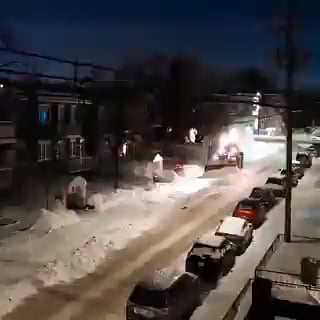
Snow clearing in Canada
Snow Clearing in Canada: A Comprehensive Guide for Homeowners and Businesses
Canada’s winters are famously harsh, with heavy snowfall and freezing temperatures creating significant challenges for residents and municipalities alike. Efficient snow clearing is essential for safety, accessibility, and maintaining daily life during the colder months. In this guide, we’ll explore how snow clearing works in Canada, the best practices to follow, regional differences, and tips for staying compliant with local regulations.
Why Snow Clearing Matters in Canada
Snow accumulation poses serious risks, including:
- Safety hazards: Icy roads and sidewalks increase slip-and-fall accidents and traffic collisions.
- Accessibility issues: Blocked driveways and walkways hinder mobility for pedestrians, emergency services, and public transit.
- Economic impacts: Delays in snow removal disrupt businesses, schools, and supply chains.
With Canada receiving an average of 145 inches (368 cm) of snow annually (higher in provinces like Newfoundland and Quebec), proactive snow management is non-negotiable.
How Snow Clearing Works: Methods & Equipment
1. Municipal Services
Cities and towns deploy fleets of plows, salt trucks, and graders to clear public roads, highways, and transit routes.
- Priority tiers: Major roads and emergency routes are cleared first, followed by residential streets.
- De-icing: Salt, sand, or brine solutions are applied to prevent ice formation.
2. Residential & Commercial Snow Removal
Homeowners and businesses often hire private contractors or use DIY methods:
- Shoveling: Ideal for light snow but labor-intensive.
- Snowblowers: Efficient for driveways and large areas.
- Professional services: Contractors use skid-steer loaders, plow trucks, and ice-melt systems.
3. Innovations in Snow Clearing
- GPS tracking: Ensures real-time monitoring of plow routes.
- Eco-friendly de-icers: Beet juice brine and calcium magnesium acetate reduce environmental harm.
- Heated pavements: Pilot projects in cities like Toronto melt snow on contact.
Provincial & Regional Variations
Canada’s diverse climate shapes how snow is managed:
- Quebec: Municipalities enforce strict 24–48-hour clearing deadlines for sidewalks.
- Alberta: “Windrow” snow ridges left by plows are the homeowner’s responsibility.
- Atlantic Canada: High snowfall totals require rapid-response teams and contractor partnerships.
Did You Know?
- Montréal operates one of the world’s largest snow-removal fleets, moving 12,000 truckloads of snow per storm.
- Yellowknife uses specialized equipment to handle snow at -40°C temperatures.
Legal Responsibilities for Property Owners
Most provinces mandate that property owners clear snow within 12–24 hours after a storm ends. Failure risks fines or liability for injuries. Key rules include:
- Sidewalks: Must be cleared to a minimum width (e.g., 1 meter in Ontario).
- Fire hydrants: Keep accessible for emergency crews.
- Roofs & gutters: Prevent ice dams and structural damage.
Pro Tip: Check your municipality’s bylaws! Rules vary (e.g., Calgary bans pushing snow onto streets, while Halifax requires windrow removal).
Safety Tips for DIY Snow Clearing
- Dress in layers and avoid overexertion to prevent hypothermia or heart strain.
- Use ergonomic tools to reduce back injuries.
- Apply de-icer early to minimize ice buildup.
- Never pile snow near exhaust vents (risk of carbon monoxide poisoning).
Choosing a Snow Clearing Contractor
- Verify licensing and insurance for liability coverage.
- Compare pricing models: Seasonal contracts vs. per-push fees.
- Check reviews for reliability during extreme weather.
The Future of Snow Clearing in Canada
Climate change is increasing the frequency of freeze-thaw cycles, making ice management more critical. Innovations like solar-powered sidewalks and AI-driven plow systems could revolutionize winter maintenance.
Final Takeaways
- Stay informed about local snow clearing schedules and bylaws.
- Invest in quality equipment or reputable services for consistent results.
- Prioritize safety to protect your property and community.
Snow clearing isn’t just a chore—it’s a shared responsibility to keep Canada moving through winter’s challenges. By understanding best practices and leveraging professional support, you can conquer even the toughest Canadian winter!
Need Help? Search for “certified snow removal services near me” or visit your municipal website for resources.
Keywords: Snow clearing Canada, snow removal services, Canadian winter maintenance, snow clearing regulations, DIY snow removal, municipal snow plowing, best practices for snow clearing.