Source: LUWU Tea Pottery
Carving a Flower Pattern on Wet Clay Pot: An Artistic Guide to Handcrafted Pottery
Introduction to Clay Pot Carving
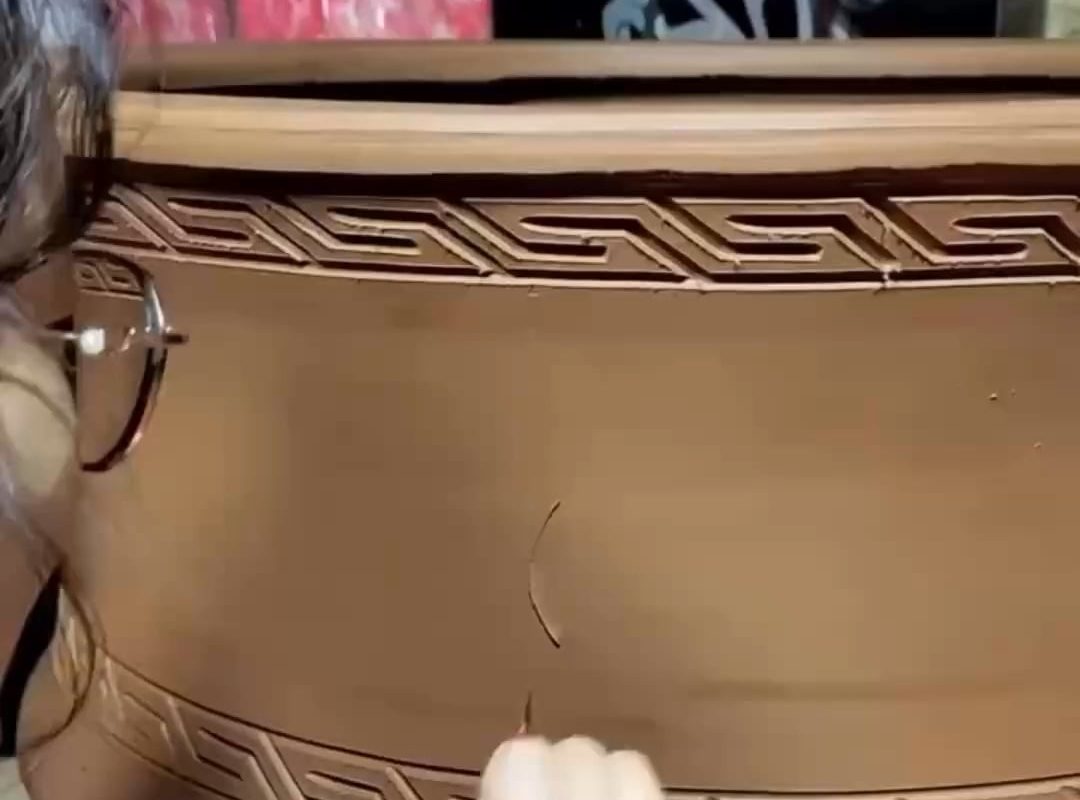
Carving floral designs into wet clay pots transforms simple pottery into timeless works of art. This ancient technique combines the meditative practice of ceramics with the delicate beauty of botanical patterns. Whether you’re a pottery beginner or an experienced ceramicist, mastering this skill opens doors to creating personalized gifts, decorative pieces, and functional art that celebrates nature’s elegance.
Essential Tools for Floral Clay Carving
- Clay Carving Tools: Needle tools, loop tools, and ribbon tools
- Modeling Implements: Wooden sculpting sticks, silicone shaping tools
- Surface Prep: Soft natural sponge, metal rib
- Design Aids: Soft pencil, paper stencils (optional)
- Clay Types: Earthenware or stoneware with good plasticity
Step-by-Step Process: From Clay to Blossoming Art
Step 1: Prepare Your Clay Surface
- Center 1-2 pounds of wedged clay on your wheel
- Throw a basic pot form (cylinders work best for beginners)
- Use a rib tool to smooth surface when leather-hard
- Maintain consistent wall thickness (¼” recommended)
Step 2: Design Transfer Techniques
Tracing Method:
- Sketch flower design on tracing paper
- Lightly dampen pot surface
- Place drawing against clay and trace with dull pencil
Freehand Approach:
- Use soft pottery pencil directly on clay
- Start with basic flower shapes (daisies, tulips)
- Build complexity with layered petals and vines
Step 3: Carving Execution
- Outline Carving: Use needle tool at 45° angle for clean edges
- Depth Gradation:
- Petal centers: 3-4mm depth
- Outer edges: 1-2mm depth
- Texture Creation:
- Stippling for flower centers
- Parallel lines for leaf veins
- Cross-hatching for shadow effects
Step 4: Refinement and Detailing
- Smooth rough edges with damp sponge
- Add dimensional elements using slip (clay slurry)
- Create shadows by undercutting petal edges
- Enhance depth with layered carving techniques
Expert Tips for Floral Perfection
- Moisture Control: Mist clay every 15 minutes to prevent cracking
- Tool Maintenance: Keep blades sharp for crisp lines
- 3D Effects: Build relief by adding clay wisps to key areas
- Natural Inspiration: Study real flowers for authentic petal structures
Drying and Firing Considerations
- Slow dry carved pots under plastic for 7-10 days
- Bisque fire at cone 04 (1945°F/1063°C)
- Highlight carvings with:
- Underglaze washes in recessed areas
- Dry brushing on raised surfaces
- Transparent glaze over intricate designs
Troubleshooting Common Issues
| Problem | Solution |
|---|---|
| Clay tearing | Sharpen tools, maintain proper moisture |
| Asymmetric design | Use quadrant marking method |
| Glaze filling carvings | Apply wax resist before glazing |
| Structural weakness | Avoid carving deeper than 1/3 wall thickness |
Advanced Floral Techniques to Explore
- Sgrafitto: Contrasting clay layers revealed through carving
- Pierced Designs: Cut-out patterns creating lace-like effects
- Multilayer Carving: Depth variations suggesting perspective
- Botanical Realism: Study plant biology for accurate depictions
Conclusion: Blooming Artistic Potential
Mastering floral carving on clay pots blends technical skill with artistic expression. Each hand-carved blossom becomes a permanent celebration of nature’s beauty in functional form. Remember that every successful piece builds your expertise – start with simple designs and gradually progress to complex botanical scenes. Your unique floral patterns will transform ordinary pottery into extraordinary handcrafted treasures that showcase both nature’s inspiration and human creativity.
FAQs: Flower Pot Carving
Q: How long should clay cure before carving?
A: Ideal carving consistency is “leather-hard” – firm but still cool to touch (4-8 hours after throwing).
Q: Can I carve commercial terra cotta pots?
A: Only if completely raw/unfired – commercial pots are already vitrified.
Q: Best flowers for beginner carvers?
A: Simple 5-petal flowers (like periwinkles) with minimal overlapping elements.
Q: Alternative to wheel-thrown pots?
A: Use hand-built slab pots with consistent thickness for easier carving.
Landing Page Recommendation: Include high-quality photos showing progression from initial sketch to finished glazed piece for maximum engagement.