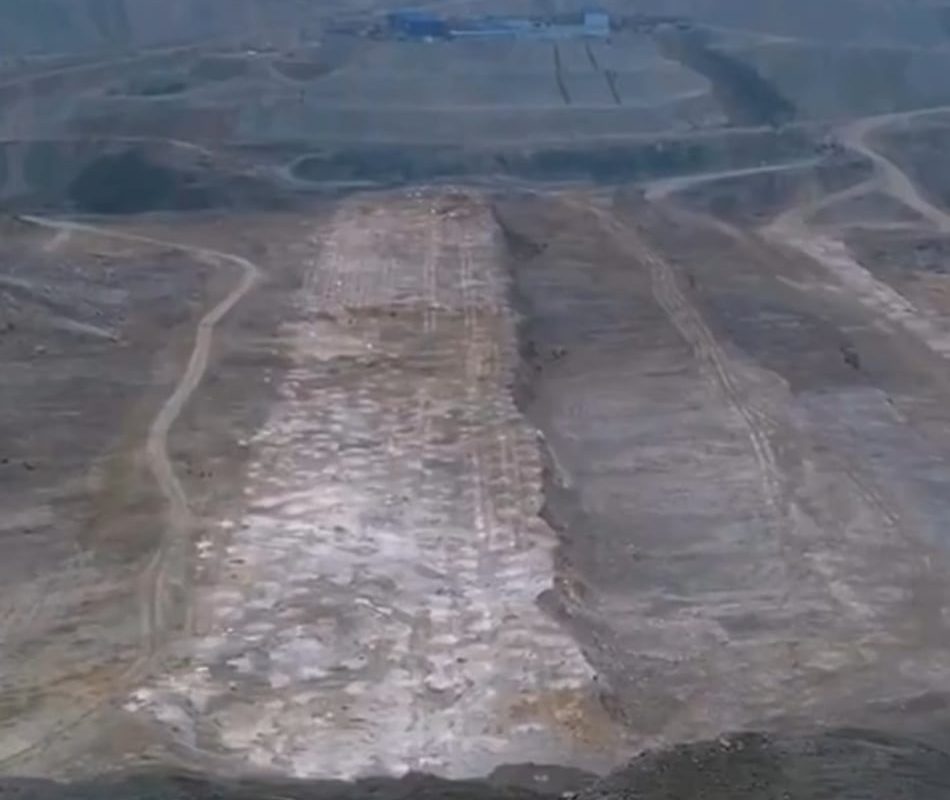
Efficient Mining
Efficient Mining: Optimizing Resources, Reducing Waste, and Securing the Industry’s Future
Meta Description: Discover how efficient mining maximizes resource recovery, minimizes costs, and reduces environmental impact. Learn key strategies, technologies, and sustainable practices shaping modern mining.
The Critical Importance of Efficient Mining
Efficient mining refers to the systematic optimization of mining operations—from exploration to extraction, processing, and waste management—to achieve maximum resource recovery with minimal waste, cost, and energy consumption. As global demand for minerals surges (from copper for renewables to lithium for EVs), the mining industry faces mounting pressure to reduce its environmental footprint while maintaining profitability.
This article examines innovations, strategies, and technologies driving modern mining efficiency, offering actionable insights for industry leaders, investors, and policymakers.
Why Traditional Mining Methods Fall Short
Conventional mining faces significant inefficiencies:
- Resource Waste: Legacy techniques recover only 50–70% of target minerals, leaving valuable deposits untapped.
- High Energy Costs: Mining consumes 11% of global energy, with crushing/grinding alone contributing to 3–4% of total usage.
- Environmental Impact: Waste rock, tailings, and acid mine drainage degrade ecosystems and communities.
- Operational Delays: Manual processes increase downtime and safety risks.
5 Pillars of Efficient Mining
1. Data-Driven Exploration & Planning
- AI and Geospatial Analytics: Machine learning models analyze geological data to pinpoint high-yield deposits while reducing exploratory drilling. Rio Tinto’s AI platform reduced exploration costs by 30%.
- Digital Twin Modeling: Simulate mine layouts to optimize extraction sequencing and infrastructure placement before breaking ground.
2. Advanced Extraction & Automation
- Autonomous Haulage Systems (AHS): Driverless trucks (e.g., Caterpillar’s Command) cut fuel use by 15% and boost productivity by 20%.
- Sensor-Based Sorting: AI-powered sensors (e.g., TOMRA Mining) pre-concentrate ore at extraction sites, slashing processing waste by 50%.
3. Energy & Water Optimization
- Electrification: Battery-electric vehicles (BEVs) and hydrogen-powered equipment eliminate diesel emissions. BHP aims for 100% electric haul trucks by 2040.
- Water Recycling: Closed-loop systems reuse up to 95% of water in processing. Chile’s Escondida copper mine saves 65 million gallons annually.
4. Zero-Waste Processing
- Tailings Reprocessing: Extract residual minerals from waste using bioleaching or advanced flotation.
- Circular Economy Models: Repurpose mine waste into construction materials (e.g., sand from iron ore tailings).
5. Industry 4.0 Integration
- IoT Sensors: Monitor equipment health in real-time to prevent downtime (predictive maintenance reduces costs by 25%).
- Blockchain for Transparency: Track ethical sourcing and carbon footprint across supply chains.
Sustainability as a Catalyst for Efficiency
Contrary to the myth that “green” practices hinder profitability, eco-efficiency drives long-term savings:
- Green Energy Adoption: Solar/wind-powered mines (like Sandfire’s DeGrussa in Australia) cut energy costs by 40%.
- Biodiversity Offsetting: Rehabilitate mined land to comply with ESG benchmarks and attract eco-conscious investors.
- Carbon Capture: Anglo American’s pilot project captures 80% of CO₂ from smelting processes.
Economic & Competitive Advantages
Efficient mining isn’t just ethical—it’s profitable:
- Cost Reduction: Every 10% drop in energy/water use saves millions annually.
- Compliance Premium: Mines adhering to ESG standards access lower-cost capital and avoid regulatory penalties.
- Resilience: Efficient operations withstand volatile commodity prices and resource scarcity.
Future Trends to Watch
- Deep-Sea Mining: Robotics and AI unlock polymetallic nodules (rich in cobalt, nickel) with minimal terrestrial disruption.
- AI-Powered Discovery: Google’s Mineral project uses ML to map untapped deposits in under-explored regions.
- Nano-Minerals: Precision extraction of rare earth elements for high-tech applications.
Conclusion: Efficiency as the New Paradigm
Efficient mining balances economic growth with planetary stewardship. By integrating AI, renewable energy, and circular practices, the industry can meet surging demand while decarbonizing operations. Stakeholders who embrace this shift won’t just survive—they will lead the next era of responsible resource development.
Key Takeaway: The future belongs to mines that leverage technology to do more with less—maximizing output while minimizing environmental harm.
Optimized Keyword Usage: efficient mining, sustainable mining practices, mining automation, energy-efficient extraction, zero-waste mining, AI in mining
LSI Keywords: resource recovery, operational efficiency, green mining technology, ESG compliance, electrification, tailings management