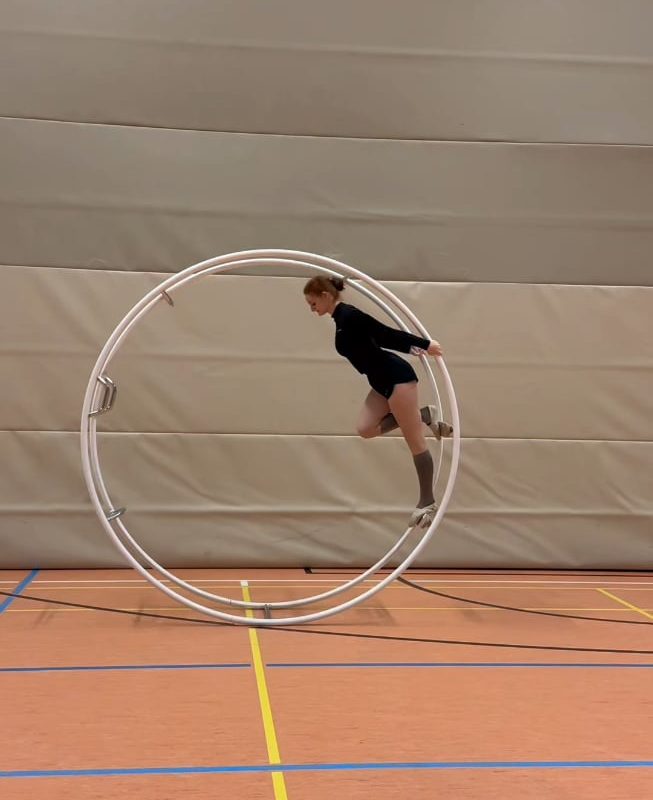
Wheel Gymnastics
Title: Wheel Gymnastics: The Mesmerizing Art of Athleticism in Motion
Meta Description: Dive into the world of Wheel Gymnastics (Rhönrad), a captivating blend of strength, balance, and artistry. Learn its history, disciplines, benefits, and how to get started!
Introduction
Wheel Gymnastics, also known as Rhönrad (German for “Rhön Wheel”), is a dynamic and visually stunning sport that combines acrobatics, dance, and athleticism within a large metal wheel. Though lesser-known than artistic gymnastics, it has captivated audiences worldwide with its grace, power, and ingenuity. In this article, we explore the origins, disciplines, benefits, and growing appeal of this unique sport.
What is Wheel Gymnastics?
Wheel Gymnastics involves performing routines inside or atop a large wheel-like apparatus made of two parallel hoops connected by six rungs. Athletes execute flips, rotations, balances, and synchronized movements while controlling the wheel’s momentum. The sport demands exceptional core strength, flexibility, coordination, and spatial awareness.
History and Origins
- Invented in Germany: The Rhönrad was created in 1925 by Otto Feick, a German engineer inspired by childhood memories of rolling down hills inside wooden wagon wheels.
- Olympic Recognition: Though not an Olympic sport yet, Wheel Gymnastics has been featured in exhibitions and is governed by the International Wheel Gymnastics Federation (IRV).
- Global Growth: While most popular in Europe (especially Germany, Switzerland, and the Netherlands), the sport is gaining fans in Asia, North America, and beyond.
Disciplines of Wheel Gymnastics
Competitive Wheel Gymnastics includes three main disciplines:
- Straight Line: Athletes roll the wheel back and forth in a straight line while performing handstands, splits, and dynamic swings.
- Spiral: Performed in a small, bowl-like arena, gymnasts tilt the wheel at extreme angles while executing rapid spins and gravity-defying poses, akin to ice skating figures.
- Vault: Athletes sprint toward the stationary wheel, leap onto it, and perform flips or twists before landing.
Team and freestyle routines also exist, blending choreography with technical skill.
The Rhönrad: Equipment Breakdown
- Structure: Two hoops (1.7–2.5 meters in diameter) connected by six rungs (steps).
- Materials: Steel frame with padded rungs for grip and safety.
- Sizes: Wheels are tailored to athlete height; beginners often start with smaller wheels for control.
- Setup: Requires a flat, padded surface (e.g., gymnastics floor) or a spiral bowl for advanced routines.
Benefits of Wheel Gymnastics
This sport offers physical and mental rewards for athletes of all ages:
- Full-Body Workout: Engages core, arms, legs, and back muscles for strength and endurance.
- Flexibility & Coordination: Movements require fluid transitions between poses and precise timing.
- Mental Focus: Mastering routines demands concentration, discipline, and spatial awareness.
- Low-Impact: Unlike tumbling sports, the wheel absorbs much of the impact, reducing joint strain.
- Unique Performance Art: Combines athleticism with dance-like elegance, appealing to creative minds.
Who Can Try Wheel Gymnastics?
- All Ages: Classes exist for children (ages 5+), teens, and adults.
- Recreational or Competitive: Many clubs offer beginner-friendly programs, while elite athletes compete in IRV World Championships.
- Accessibility: While physically demanding, modified exercises allow newcomers to progress at their own pace.
Getting Started with Wheel Gymnastics
- Find a Club: Search for Rhönrad clubs via national federations (e.g., USA Wheel Gymnastics).
- Beginner Classes: Learn basic rolls, balances, and wheel control under expert supervision.
- Safety First: Use helmets and pads initially; spotters assist with complex moves.
- Progression: Master straight line drills before advancing to spirals or vaults.
Wheel Gymnastics Competitions
- Judging Criteria: Routines are scored on difficulty, execution, rhythm, and originality.
- Events: World Championships, Continental Cups, and exhibition contests (e.g., Gymnaestrada).
- Team vs. Solo: Performances can be individual, pairs, or group-based.
The Future of Wheel Gymnastics
Advocates are pushing for Olympic inclusion, while social media has amplified its visibility through viral videos. Initiatives like school programs and circus-inspired showcases are introducing the sport to new audiences.
Conclusion
Wheel Gymnastics is more than a sport—it’s a mesmerizing fusion of athleticism, art, and creative expression. Whether you’re drawn to its aesthetic beauty or the thrill of mastering gravity-defying stunts, the Rhönrad offers a rewarding challenge for thrill-seekers and artists alike. Explore a local club today and roll into the incredible world of Wheel Gymnastics!
Keywords for SEO Optimization:
- Wheel Gymnastics
- Rhönrad
- Gymnastics Wheel
- Wheel Gymnastics benefits
- How to start Wheel Gymnastics
- Rhönrad disciplines
- Rhönrad history
- International Wheel Gymnastics
Image/Video Suggestion:
Include high-quality visuals of athletes performing spiral routines, straight line poses, or dynamic vaults to engage readers. Embed tutorials or competition highlights for added impact.
Internal/External Links:
- Link to the International Wheel Gymnastics Federation (IRV) website.
- Connect to local clubs or beginner resources.