It’s almost like that was staged
Title: “It’s Almost Like That Was Staged”: Decoding Suspiciously Perfect Moments in Media & Social Content
Meta Description: Ever thought, “It’s almost like that was staged”? Uncover why some viral content feels fake, learn to spot staged moments, and explore the impact of curated reality.
Introduction: The Rise of the “Staged” Suspicion
Scroll through TikTok, Instagram, or YouTube, and you’ve likely stumbled upon a video so flawlessly timed, emotional, or bizarre that you muttered: “It’s almost like that was staged.” This phrase has become a cultural reflex in our age of hyper-curated content, where authenticity battles with spectacle. But why do staged moments trigger our skepticism, and how can we distinguish between genuine moments and clever fabrication? Let’s dive in.
Why Does Content Feel Staged? The Psychology Behind Suspicion
Our brains are wired to detect patterns and inconsistencies. When a moment seems too coincidental or dramatic, red flags go up. Here’s why:
- The “Uncanny Valley” of Authenticity: Just as humans distrust robots that look almost real, content that strains credibility (e.g., a stranger’s instant kindness caught on camera) feels suspicious.
- Social Media Algorithms: Platforms prioritize engagement, rewarding creators who engineer shocking, emotional, or outrage-inducing clips—even if they’re scripted.
- Cultural Fatigue: With scandals like Fyre Festival and fake influencer lifestyles exposed, audiences are primed to doubt what they see.
5 Telltale Signs Something Was Staged
Spotting staged content isn’t just cynical—it’s media literacy. Watch for these red flags:
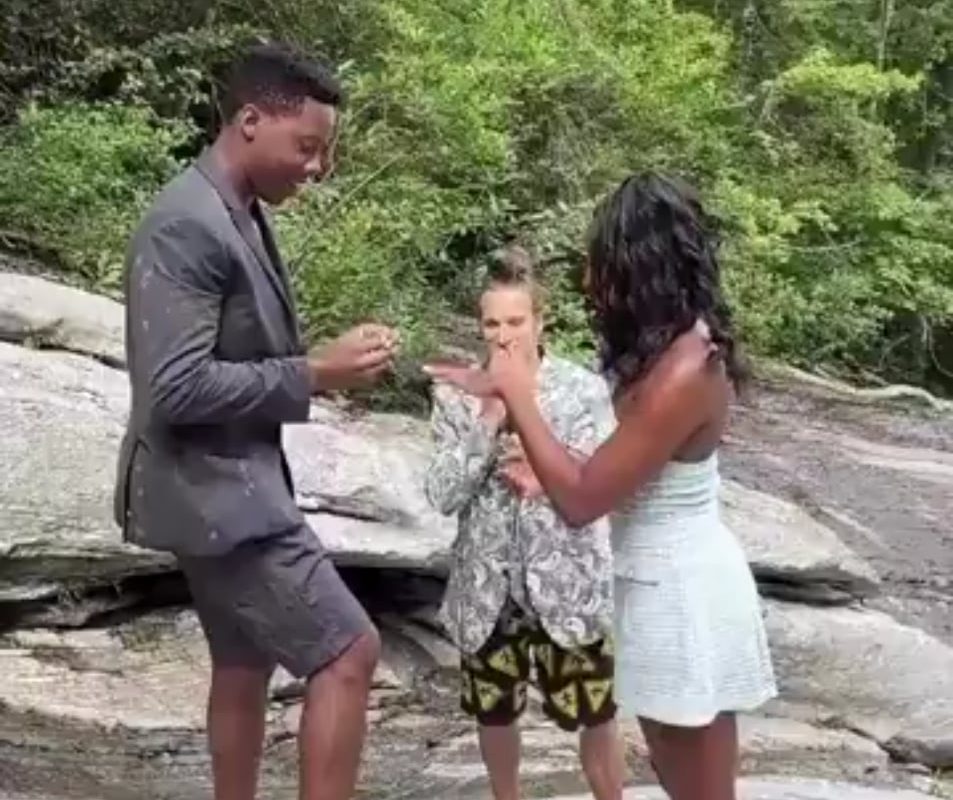
- Pixel-Perfect Timing: A camera just happens to capture a proposal, meltdown, or rescue from multiple angles.
- Overly Emotional Reactions: Tears, screams, or gratitude that feel exaggerated for the situation.
- Convenient Brand Integrations: A “random” viral moment subtly features a product logo or hashtag.
- Recycled Trends: Challenges or pranks copied from earlier viral hits, down to the same dialogue.
- Behind-the-Scenes Leaks: “Unauthorized” footage that mysteriously boosts hype (e.g., celebrity feuds).
Staged Content in the Wild: Real-World Examples
- Reality TV: Shows like The Bachelor or Love Island are edited to maximize drama, with producers allegedly scripting confrontations.
- TikTok Acts of Kindness: Videos of strangers paying for groceries or reuniting families often use actors, per insider exposés.
- PR Stunts: Brands stage “authentic” customer reactions (e.g., viral unboxings) to mimic organic buzz.
The Impact: Trust, Cynicism, and the Erosion of Authenticity
While staged moments entertain, they risk long-term consequences:
- Audience Distrust: A 2023 Pew Research study found 64% of Gen Z doubts social media authenticity.
- Blurred Reality Lines: Scripted content normalized as “real” (e.g., deepfakes, misleading headlines) fuels misinformation.
- Creator Pressure: Influencers feel compelled to fabricate moments to stay relevant, sparking burnout.
How to Engage with Content Critically—Without Cynicism
You don’t need to dismiss every viral moment as fake. Instead:
- Check Sources: Who uploaded it? Do they have a history of sketchy content?
- Question Motives: Could this person/brand benefit from going viral?
- Enjoy Responsibly: It’s okay to laugh at a staged skit—just recognize it as entertainment, not reality.
Conclusion: Embrace Curiosity Over Cynicism
The phrase “It’s almost like that was staged” reflects a savvy, skeptical audience—not a jaded one. By questioning too-perfect moments, we champion authenticity while appreciating creativity. Next time you sense staging, let it spark curiosity: “How was this made?” not “This is fake.” The truth? Sometimes, the most staged moments teach us the most about reality.
SEO Keywords: It’s almost like that was staged, staged content, fake viral moments, spotting staged videos, social media authenticity, reality TV scripting, media literacy.
Optimize your content radar—share this guide to help others decode the curated chaos! 🕵️♂️✨