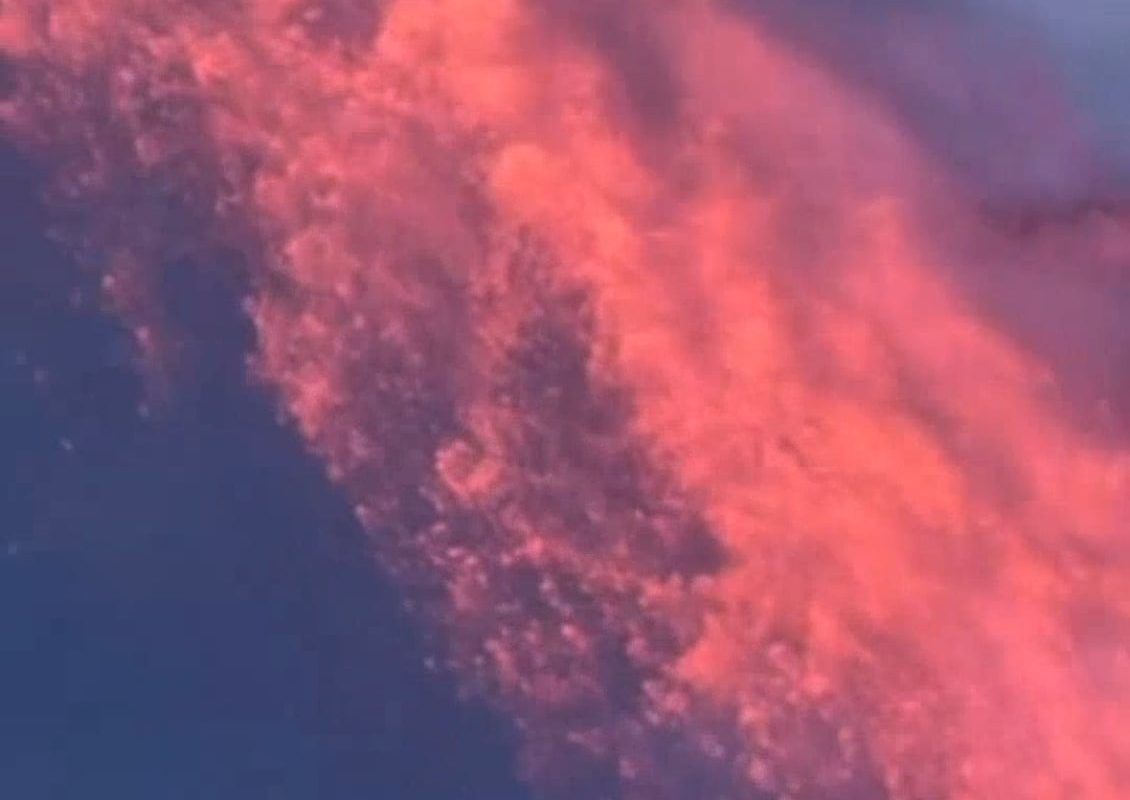
Lava fountain cools down into rocks before hitting the ground
Title: When Lava Defies Gravity: How Volcanic Fountains Create Rock in Mid-Air
Meta Description: Discover the fascinating phenomenon of lava fountains that solidify mid-air, forming volcanic rock before reaching the ground. Learn how physics and geology collide in this fiery spectacle.
The Fiery Spectacle: Lava Fountains That Turn to Rock Before Landing
Volcanic eruptions are among nature’s most awe-inspiring displays of power, but one rare phenomenon pushes the boundaries of imagination: lava fountains that cool into solid rock before ever touching the ground. This process, blending extreme heat and rapid cooling, creates surreal landscapes and offers scientists clues about Earth’s inner workings.
In this article, we’ll explore the physics, geology, and breathtaking visuals behind this phenomenon—where lava transforms from liquid fire to hardened rock in mid-air.
What Are Lava Fountains?
Lava fountains occur when highly pressurized magma erupts explosively from a volcanic vent, shooting streams of molten rock into the air like a geyser of fire. These fountains can reach heights of hundreds of meters, feeding lava flows or raining debris over surrounding areas.
How Do They Form?
- Gas Expansion: Magma rich in dissolved gases (like water vapor and CO₂) erupts violently as pressure drops near the surface.
- Strombolian & Hawaiian Eruptions: These fountain-style eruptions are common in shield volcanoes like Hawaii’s Kīlauea or Italy’s Mount Etna.
When Lava Solidifies Mid-Air: The Science
For lava to cool into rock before landing, two key factors must align:
-
Extreme Height & Air Exposure
The taller the fountain, the longer lava spends airborne. As molten rock arcs through the sky, it loses heat to the surrounding air, triggering rapid solidification. -
Low Viscosity Lava
Basaltic lava (common in Hawaii) is relatively fluid and breaks into smaller droplets mid-fountain. These tiny fragments cool faster than large globs, hardening into glassy or crystalline rocks.
The Cooling Process:
Lava droplets cool from ~1,200°C (2,192°F) to solid rock in seconds, crystallizing minerals like olivine or forming volcanic glass. This “quenching” creates distinct textures like:
- Pele’s Tears: Glassy teardrop-shaped rocks (named after Hawaii’s volcano goddess).
- Lapilli: Pea-sized rock fragments.
- Volcanic Bombs: Larger chunks that solidify while spinning mid-air, gaining aerodynamic shapes.
The Role of Physics: Speed, Heat, and Gravity
Newton’s Laws Meet Volcanology
Lava droplets behave like projectiles, following parabolic trajectories. Their speed (often 20–60 m/s) and the fountain’s height determine flight time—crucial for cooling.
Thermodynamics in Action
- Convection & Radiation: Heat dissipates through air contact and infrared radiation.
- Surface Area: Smaller droplets cool faster due to higher surface-area-to-volume ratios.
Real-World Example:
In Hawaii’s 2018 Kīlauea eruption, some lava fountains reached 80 meters high. Eyewitnesses reported “raining rock” as Pele’s Tears and ash blanketed nearby fields.
Geological Significance: What These Rocks Reveal
Mid-air solidification creates rocks with unique textures and compositions, acting as time capsules for volcanologists:
- Rapid Cooling Clues: Glassy textures indicate near-instant freezing.
- Gas Trapping: Bubbles preserved in rocks reveal the magma’s gas content.
- Eruption Intensity: Rock size and shape help scientists model past eruptions.
Where to Witness This Phenomenon
While rare, these lava fountains occur in:
- Hawai’i Volcanoes National Park (USA): Kīlauea and Mauna Loa’s frequent eruptions.
- Mount Etna (Italy): Europe’s most active volcano.
- Erta Ale (Ethiopia): Home to a long-lived lava lake with periodic fountaining.
Safety Note: Always observe volcanic activity from a safe distance or via live cams (e.g., USGS Hawaii Volcano Observatory).
Conclusion: Nature’s High-Heat Alchemy
Lava fountains that solidify mid-air showcase nature’s ability to defy expectations—turning liquid fire into stone before gravity can intervene. This phenomenon not only dazzles onlookers but also deepens our understanding of Earth’s volcanic systems.
As research continues, each eruption adds pieces to the puzzle of how our planet’s surface evolves—one fiery droplet at a time.
SEO Keywords: Lava fountain, volcanic rock formation, rapid lava cooling, Pele’s Tears, Strombolian eruption, Hawaiian volcanoes, lava solidification, volcanic bombs, Kīlauea eruption, geology phenomena.
Boost Your Content Further:
- Embed videos of lava fountains (link to USGS or National Geographic).
- Link to scientific papers on lava cooling rates.
- Use schema markup for “volcanic eruption” FAQs.
By blending vivid storytelling with hard science, this article aims to rank for volcanic phenomena queries while educating and engaging readers about Earth’s molten marvels. 🌋