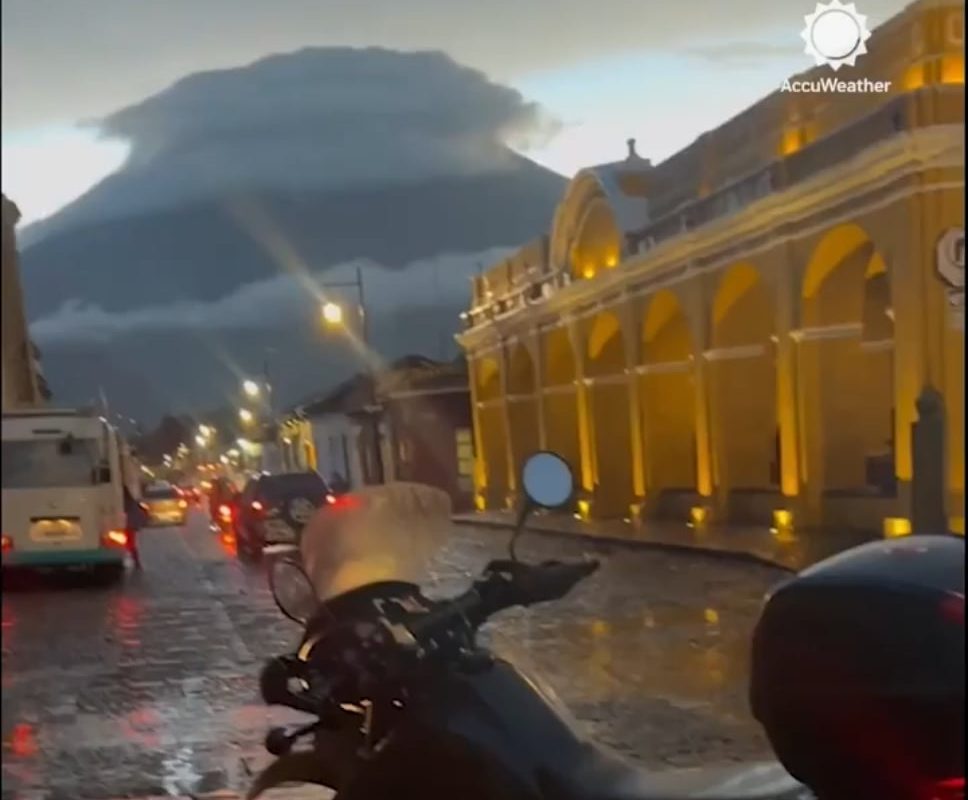
Upward lightning Volcano de Agua, Guatemala
Title: Upward Lightning at Volcán de Agua: Guatemala’s Electrifying Natural Phenomenon
Meta Description: Discover the rare spectacle of upward lightning striking Guatemala’s Volcán de Agua. Learn the science behind this phenomenon, safety tips, and why this stratovolcano is a hotspot for dramatic electrical storms.
Upward Lightning at Volcán de Agua: Guatemala’s Electrifying Natural Phenomenon
Volcán de Agua, the iconic 3,760-meter (12,340-foot) stratovolcano towering over Guatemala’s central highlands, is famed not only for its majestic beauty but also for a rare meteorological marvel: upward lightning. Unlike typical cloud-to-ground lightning, upward lightning erupts from the volcano’s peak toward storm clouds, creating a jaw-dropping display that fuses geology and atmospheric science into one unforgettable spectacle.
In this article, we dive deep into why Volcán de Agua is a magnet for upward lightning, how this phenomenon occurs, the historical significance of the volcano, and how travelers and photographers can safely witness this electrifying event.
What is Upward Lightning?
Upward lightning (also called “ground-to-cloud” lightning) is a rare type of electrical discharge that originates from tall objects—like skyscrapers, wind turbines, or mountains—and surges upward into storm clouds. This occurs when the electric field between a storm and the ground becomes unbalanced. Tall structures act as conduits, triggering a powerful upward stroke that appears as a dazzling, branching bolt frozen in time against the sky.
Why Volcán de Agua?
Volcán de Agua’s isolation, height, and conical shape make it a perfect “lightning rod” for upward discharges:
- Elevation: At nearly 3.8 km high, it juts into storm-prone regions of the atmosphere.
- Geography: Located near Guatemala’s Pacific coast, it’s exposed to seasonal thunderstorms fueled by moist air colliding with high terrain.
- Structure: Its symmetrical peak concentrates electrical charge, facilitating upward lightning.
The Science Behind the Spectacle
Upward lightning at Volcán de Agua is often seen during May to October, Guatemala’s rainy season, when warm moisture clashes with cooler high-altitude air. Key ingredients for upward lightning include:
- Charge Imbalance: Negative charges accumulate at the volcano’s summit, seeking a path to positively charged storm clouds.
- Tall Triggers: The volcano’s height creates a “leader” channel that initiates upward strokes.
- Volcanic Influence: Although dormant, Agua’s mineral-rich surface may enhance conductivity compared to surrounding terrain.
Volcán de Agua: A Volcano Steeped in History
Before it became synonymous with lightning, Volcán de Agua played a tragic role in Guatemala’s colonial past. In 1541, a catastrophic lahar (volcanic mudflow) from its slopes destroyed the original capital, Ciudad Vieja. Today, the volcano’s name (“Volcano of Water”) contrasts sharply with its fiery neighbor, Volcán de Fuego (“Volcano of Fire”).
Cultural Significance
Locals have long regarded the volcano with reverence. Indigenous communities associate lightning with divine power, and upward strikes are seen by some as messages from ancestral spirits.
How to Witness Upward Lightning Safely
While capturing upward lightning at Volcán de Agua is a bucket-list experience for storm chasers, safety is paramount. Never attempt to hike during thunderstorms! Instead:
- View from Nearby Towns: Antigua Guatemala (16 km away) offers stunning volcano views. Head to rooftop terraces or hills like Cerro de la Cruz.
- Timing: Lightning peaks at dusk or night during heavy storms. Use weather apps to track real-time activity.
- Photography Tips:
- Use a tripod and long exposures (10–30 seconds).
- Shoot with a wide-angle lens (e.g., 14–24mm).
- Aim ISO 400–800 to balance noise and clarity.
Similar Phenomena Worldwide
Volcán de Agua isn’t alone in attracting upward lightning. Other hotspots include:
- Popocatépetl (Mexico)
- Mount Sinabung (Indonesia)
- Eyjafjallajökull (Iceland)
Volcanic plumes during eruptions can also trigger dirty thunderstorms, where ash particles generate lightning—a phenomenon seen at Japan’s Sakurajima and Guatemala’s own Volcán de Fuego.
Responsible Tourism & Conservation
As interest in Volcán de Agua grows, travelers must prioritize sustainability:
- Support local guides and eco-tours.
- Avoid littering on trails.
- Respect indigenous beliefs and protected land.
Conclusion
Upward lightning at Guatemala’s Volcán de Agua is nature’s ultimate light show—a fleeting convergence of earth and sky that embodies the raw power of our planet. Whether you’re a scientist, photographer, or adventurer, witnessing this phenomenon is a humbling reminder of the wonders that arise when geology and weather collide.
Plan Your Visit: Pair a lightning-chasing trip with exploration of Antigua’s UNESCO World Heritage architecture or hikes around Lake Atitlán. Guatemala’s landscapes are as diverse as their storms!
Target Keywords:
Upward lightning, Volcán de Agua, Guatemala volcano, rare lightning, storm chasing Guatemala, volcanic lightning, upward lightning photography, Antigua Guatemala tourism.
Optimization Tips:
- Include high-quality images/videos of upward lightning.
- Link to reputable sources on meteorology and Guatemalan geology.
- Update with recent eyewitness accounts or scientific studies.
Ready to brave the storm? 🌩️ Share your Volcán de Agua lightning photos with #GuatemalaLightning!