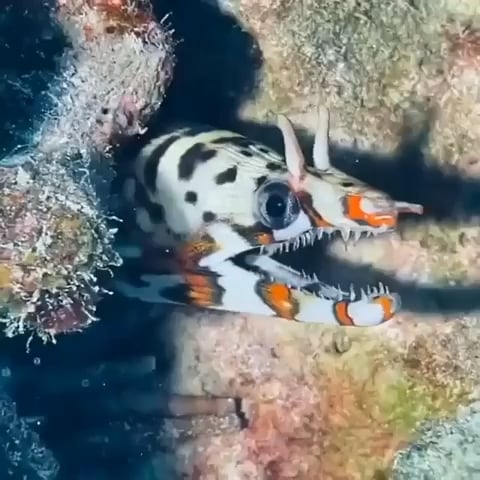
This the elusive dragon moray eel that is native to the Indo-Pacific region, including Hawaii, Japan and southern Korea
Title: Dragon Moray Eel: Unveiling the Secrets of the Indo-Pacific’s Mythical Underwater Dragon
Meta Description: Discover the dragon moray eel, a rare and striking creature native to the Indo-Pacific, Hawaii, Japan, and South Korea. Explore its habitat, behavior, and significance in marine ecosystems.
Introducing the Dragon Moray Eel: Nature’s Underwater Artwork
The ocean’s depths hide countless marvels, but few captivate divers and marine enthusiasts like the dragon moray eel (Enchelycore pardalis). With its vibrant, flame-like patterns and fearsome dragon-like jaws, this elusive species is a living masterpiece of the Indo-Pacific. Found across tropical waters from Hawaii to Japan and southern Korea, the dragon moray eel is both a symbol of marine biodiversity and a testament to nature’s creativity.
In this article, we’ll dive into the world of this enigmatic eel—uncovering its adaptations, habitat, and role in coral reef ecosystems.
Appearance: Why Is It Called a “Dragon” Eel?
The dragon moray eel’s dramatic appearance justifies its mythical name:
- Fiery Coloration: Its body is adorned with orange, red, and white serpentine markings, resembling flames or dragon scales.
- Dragon-like Jaws: Long, curved jaws filled with needle-like teeth give it a fearsome, otherworldly look. Unlike most eels, its jaws remain partially open even at rest.
- Size: It grows up to 3 feet (90 cm) long, with a slender, muscular build ideal for navigating rocky crevices.
This striking design isn’t just for show—it helps the eel blend into coral reefs and intimidate predators.
Habitat & Range: Where Does the Dragon Moray Eel Live?
The dragon moray eel is a native of the Indo-Pacific region, favoring warm, nutrient-rich waters. Key habitats include:
- Hawaii: Found in rocky reefs and lava tunnels off the Leeward Islands and Oahu.
- Japan: Thrives in the coral-rich waters of Okinawa and the Ryukyu Islands.
- Southern Korea: Spotted near Jeju Island’s volcanic seascapes.
- Wider Indo-Pacific: Populations also exist in the Philippines, Indonesia, and Australia.
These eels are reef dwellers, hiding in crevices or under coral ledges during the day. They prefer depths of 10–200 feet (3–60 meters), often in areas with strong currents that bring food.
Behavior & Diet: The Life of a Stealthy Predator
Dragon moray eels are nocturnal hunters, relying on stealth and ambush tactics:
- Hunting Style: They wait motionless in their lairs, lunging at prey with astonishing speed.
- Diet: Primarily feeds on crustaceans (crabs, shrimp) and small fish. Their sharp teeth crush shells effortlessly.
- Solitary Nature: Highly territorial, they rarely venture far from their hiding spots except to hunt or breed.
Despite their intimidating look, they’re shy around humans and pose little threat unless provoked.
Ecological Role: Guardians of the Reef
As mid-level predators, dragon moray eels play a crucial role in coral reef health:
- Population Control: They keep crustacean and fish populations in check.
- Indicator Species: Their presence signals a thriving reef ecosystem.
- Symbiotic Relationships: Cleaner shrimp often pick parasites off their skin, showcasing marine cooperation.
However, habitat destruction and overfishing threaten their survival in parts of their range.
Conservation Status & Threats
The dragon moray eel is currently classified as Least Concern by the IUCN, but localized declines occur due to:
- Habitat Loss: Coral bleaching and coastal development degrade their homes.
- Bycatch: Accidentally caught in fishing nets targeting other species.
- Aquarium Trade: Their beauty makes them popular in captivity, though breeding them sustainably remains challenging.
Responsible diving practices and marine protected areas (MPAs) are vital to their conservation.
Spotting a Dragon Moray Eel: Tips for Divers
Encounters with this species are rare but unforgettable. To increase your chances:
- Explore Reef Crevices: Shine a light into cracks and caves during night dives.
- Visit Key Locations: Prioritize dive sites in Hawaii (e.g., Kona Coast), Okinawa, or Jeju Island.
- Stay Calm: Avoid sudden movements to prevent startling them.
FAQ About the Dragon Moray Eel
Q: Are dragon moray eels venomous?
A: No, but their bite can cause injury due to sharp teeth. Handle encounters with care!
Q: How long do they live?
A: In the wild, they live 10–14 years if undisturbed.
Q: Can they be kept in home aquariums?
A: Yes, but they require large tanks, expert care, and live food. Not recommended for beginners.
Q: Do they migrate?
A: No—they’re sedentary and fiercely protective of their territories.
Conclusion: Protecting the Ocean’s Living Dragons
The dragon moray eel embodies the mystery and beauty of Indo-Pacific marine life. Its survival hinges on global efforts to protect coral reefs and curb overexploitation. Whether you’re a diver, conservationist, or ocean admirer, this remarkable eel reminds us that Earth’s greatest wonders often lie beneath the waves.
Take Action: Support reef conservation organizations and practice sustainable diving to ensure future generations can witness these “underwater dragons” in the wild.
Target Keywords: Dragon moray eel, Indo-Pacific eels, Hawaii marine life, Japan marine species, South Korea eels, elusive ocean creatures, coral reef predators.
By optimizing for these keywords and providing detailed insights, this article aims to rank highly while educating readers about this extraordinary species.