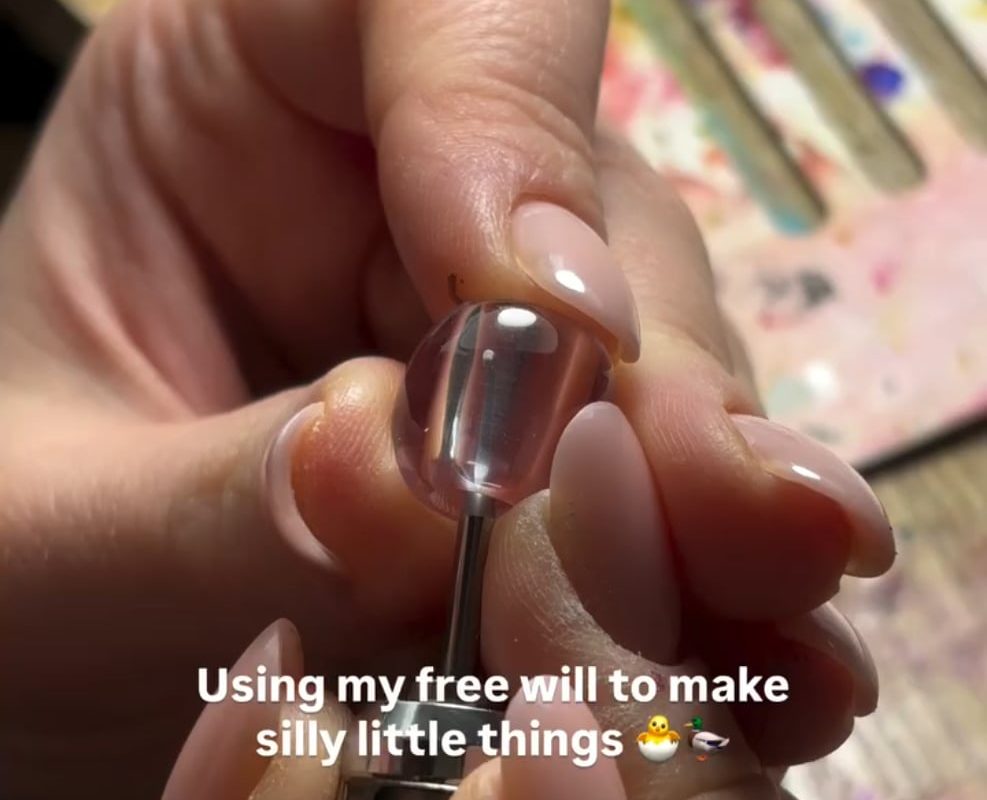
Credit – chronicles_amber (instagram)
The Mesmerizing World of Micro-Art: The Ancient Craft of Art on Tiny Glass Beads
From intricate patterns to breathtaking miniature scenes, the centuries-old art of decorating tiny glass beads is a captivating fusion of precision, patience, and creativity. Known by names like micron beadwork, glass bead embroidery, and lampwork bead art, this craft transforms minuscule canvases into wearable masterpieces. In this guide, we explore the history, techniques, and modern resurgence of this extraordinary art form.
What is Art on Tiny Glass Beads?
Art on tiny glass beads involves painting, sculpting, or encrusting glass seed beads (often smaller than 2mm) with designs so detailed they require magnification to fully appreciate. Artists use techniques like:
- Lampworking: Melting glass rods over a flame to shape beads.
- Hand-Painting: Using fine brushes to apply enamel or acrylic onto beads.
- Bead Embroidery: Stitching beads onto fabric or leather to create patterns.
- Engraving: Etching micro-designs onto glass surfaces.
The result? Stunning jewelry, wall hangings, or stand-alone sculptures rich with symbolism and artistry.
A Brief History: From Ancient Egypt to Native American Heritage
The tradition of decorating glass beads spans millennia:
- Ancient Egypt: Glass beads were symbols of status, often buried with pharaohs.
- Venetian Renaissance (1400s): Italian artisans perfected murrine (glass cane) techniques to create detailed floral and geometric patterns.
- Native American Beadwork: Tribes like the Lakota and Ojibwe used glass trade beads to tell stories through intricate jewelry and regalia.
Modern artists continue these traditions while experimenting with new materials like UV resin and recycled glass.
How Artists Create Tiny Masterpieces
1. Lampwork Bead Art (Flameworking)
Artists melt glass rods (like borosilicate or soft glass) using a torch, layering colors and manipulating molten glass with tools to form tiny sculptures inside the bead—flowers, animals, or even portraits.
2. Hand-Painted Beads
Using magnifiers and micro-brushes, artists paint minuscule scenes onto beads. Russian Palekh bead painters, for example, are famed for fairy-tale illustrations on beads as small as 4mm.
3. Bead Embroidery & Weaving
Beads are stitched into textiles or strung together using methods like:
- Loom Weaving: Beads are aligned into grids for symmetrical patterns.
- Peyote Stitch: Creates flexible, textured designs for cuffs or amulet bags.
- Brick Stitch: Ideal for angular shapes like feathers or leaves.
4. Engraving & Etching
Diamond-tipped tools or acid are used to carve fine lines into glass beads, creating cameos, landscapes, or lettering.
Modern Applications: Beyond Jewelry
Today, bead artists push boundaries by incorporating tiny glass beads into:
- Wearable Art: Statement necklaces, embroidered jackets, and bead-encrusted shoes.
- Home Décor: Beaded tapestries, lampshades, and holiday ornaments.
- Contemporary Sculpture: Artists like Liza Lou gained fame for bead-covered installations (e.g., life-sized kitchens).
- Cultural Preservation: Indigenous artists use beadwork to honor ancestral stories.
Spotlight: Pioneering Artists in Micro-Bead Art
- Joyce Scott (USA): Fuses beadwork with social commentary, creating provocative sculptures.
- Teri Greeves (Kiowa Nation): Revitalizes Native American beadwork with modern narratives.
- Lucio Bubacco (Italy): Creates Venetian-style lampwork beads depicting mythical figures.
- Charissa Brock: Merges bamboo and glass beads into monumental woven works.
Why Collect or Create Bead Art?
- Therapeutic Value: The focus required for beadwork reduces stress and improves mindfulness.
- Cultural Connection: Many designs carry ancestral meanings (e.g., African trade beads symbolize heritage).
- Eco-Friendly Appeal: Upcycled glass beads reduce waste.
- Investment Potential: Antique Venetian or intricate contemporary pieces appreciate in value.
Getting Started: Tips for Beginners
- Start Simple: Practice with seed beads (size 8/0 or 11/0) and basic stitches.
- Essential Tools: Magnifying lamp, beading needles (size 12 or 13), and nylon thread.
- Learn Online: Platforms like YouTube or Craftsy offer tutorials on peyote stitch or bead painting.
- Join Communities: Groups like The Bead Society provide inspiration and mentorship.
FAQs About Art on Tiny Glass Beads
Q: How long does it take to make one beaded piece?
A small bracelet may take 2–3 hours, but complex works (e.g., a beaded portrait) can require 100+ hours.
Q: Are glass beads eco-friendly?
Yes! Glass is recyclable, and many artists use vintage or upcycled beads.
Q: Can this art be a career?
Absolutely—top artists sell pieces for thousands of dollars through galleries or platforms like Etsy.
Conclusion: Big Impact, Tiny Canvas
Art on tiny glass beads proves that size doesn’t limit beauty. Whether preserving cultural legacies or experimenting with avant-garde designs, this craft merges tradition with innovation—one bead at a time. Ready to dive in? Pick up a needle, thread some beads, and join a global community celebrating the magic of micro-art.
Explore Further: Check out exhibitions like The Greater Denton Arts Council’s Bead Biennial or follow hashtags like #GlassBeadArt on Instagram for daily inspiration!
Keywords for SEO: art on tiny glass beads, glass bead art history, micron beadwork, lampwork bead techniques, Native American beadwork, how to make bead art, glass seed bead embroidery, contemporary bead artists, hand-painted glass beads, beading for beginners.