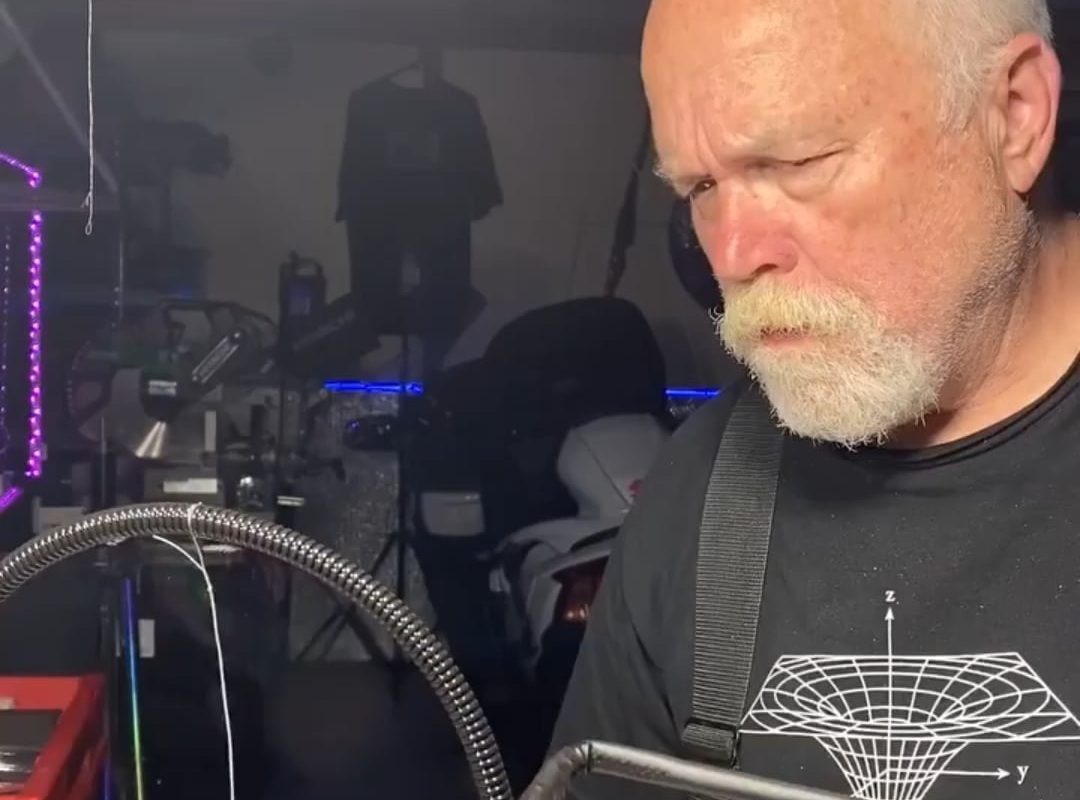
Making bubbles inside bubbles
Title: The Mesmerizing Science of Making Bubbles Inside Bubbles: A Step-by-Step Guide
Meta Description: Discover the enchanting world of nested bubbles! Learn how to make bubbles inside bubbles with simple household items and uncover the science behind this dazzling experiment. Perfect for kids, educators, and curious minds.
Introduction: The Magic of Nested Bubbles
Bubbles captivate people of all ages with their shimmering colors and delicate forms. But did you know you can create an even more mesmerizing spectacle by blowing bubbles inside other bubbles? This captivating experiment combines artistry, physics, and fun, making it ideal for science fairs, classroom demonstrations, or a magical afternoon with kids.
In this guide, we’ll break down exactly how to make multi-layered bubbles and explain the fascinating science that keeps them stable.
Why Bubbles Can Form Inside Bubbles
Bubbles are thin films of soapy water enclosing air. Their spherical shape is due to surface tension, which pulls the liquid into the smallest possible area. When you blow a smaller bubble into a larger one, the soap film stretches to accommodate the new structure without popping—thanks to the elasticity of the soap solution. With the right technique, you can create multiple nested bubbles, each separated by a tiny layer of soapy film.
Materials You’ll Need
-
Bubble Solution:
- 4 cups distilled water (tap water may contain impurities)
- ½ cup dish soap (Dawn or Joy work best)
- 1–2 tablespoons glycerin or light corn syrup (for stronger bubbles)
Mix gently to avoid foam.
-
Tools:
- A shallow tray or plate
- Straws (wide ones work best)
- Small funnel
- Rubber gloves (optional; oils on skin can pop bubbles)
Step-by-Step Instructions
1. Prepare the Perfect Bubble Solution
- Combine water, dish soap, and glycerin in a bowl. Stir slowly to avoid creating foam. Let the mixture sit for 1–2 hours to strengthen the bonds.
2. Create Your First Bubble
- Dip the rim of a cup, funnel, or straw into the solution.
- Slowly blow through the straw to form a large bubble on a flat surface (like a plate or tray).
3. Insert a Bubble Inside
- Dip a second straw into the solution, then gently poke it through the wall of the first bubble.
- Blow softly through the straw to create a smaller bubble inside the larger one. For added wow factor, repeat to make a third bubble inside the second!
Tips for Success
- Work Slowly: Aggressive blowing will pop bubbles. Use gentle, steady breaths.
- Control Environment: Avoid wind, dust, and dry air—humidity stabilizes bubbles.
- Soak Tools: Always wet straws or funnels before use to prevent popping.
- Wear Gloves: Oils from your skin reduce bubble life.
Troubleshooting Common Issues
| Problem | Solution |
|---|---|
| Bubbles pop immediately | Add more glycerin to the solution. |
| Can’t pierce outer bubble | Wet the straw thoroughly. |
| Nested bubbles collapse | Ensure humidity; avoid dry air. |
Take It Further: Creative Variations
- Rainbow Bubbles: Add food coloring to the solution (use sparingly to avoid weakening bubbles).
- Bubble Chains: Blow multiple small bubbles inside a single large one to create “bubble constellations.”
- Giant Nested Bubbles: Use a hula hoop dipped in solution to create human-sized layered bubbles!
The Science Behind Nested Bubbles
When you blow a bubble inside another, you’re exploiting two principles of fluid dynamics:
- Surface Tension: Soap molecules reduce water’s surface tension, allowing the film to stretch into complex shapes.
- Film Elasticity: Glycerin boosts the solution’s flexibility, letting it expand and contract without breaking.
Each nested bubble traps air between layers, creating concentric spheres of shimmering light. The colors you see come from light interference as rays reflect off the soap film’s inner and outer surfaces.
Frequently Asked Questions
Q: Can I use regular soap instead of dish soap?
A: Dish soap works best due to its low water content and additives for durability.
Q: Why are bubbles always round?
A: Surface tension pulls the liquid into the smallest possible shape—a sphere.
Q: How long do nested bubbles last?
A: With ideal conditions (humidity, no wind), they can last 30 seconds to a few minutes.
Conclusion: Unleash Your Inner Bubble Scientist!
Making bubbles inside bubbles is a delightful blend of play and learning. Whether you’re a teacher illustrating physics concepts, a parent planning a weekend activity, or simply a curious experimenter, this project promises wonder and discovery.
So gather your materials, mix your solution, and let the magic of nested bubbles inspire awe—one shimmering layer at a time!
Keywords: bubbles inside bubbles, nested bubbles, soap bubble science, bubble experiments, how to make layered bubbles, bubble solution recipe.
Share your bubble creations with us! Tag #NestedBubbles on social media to inspire others.