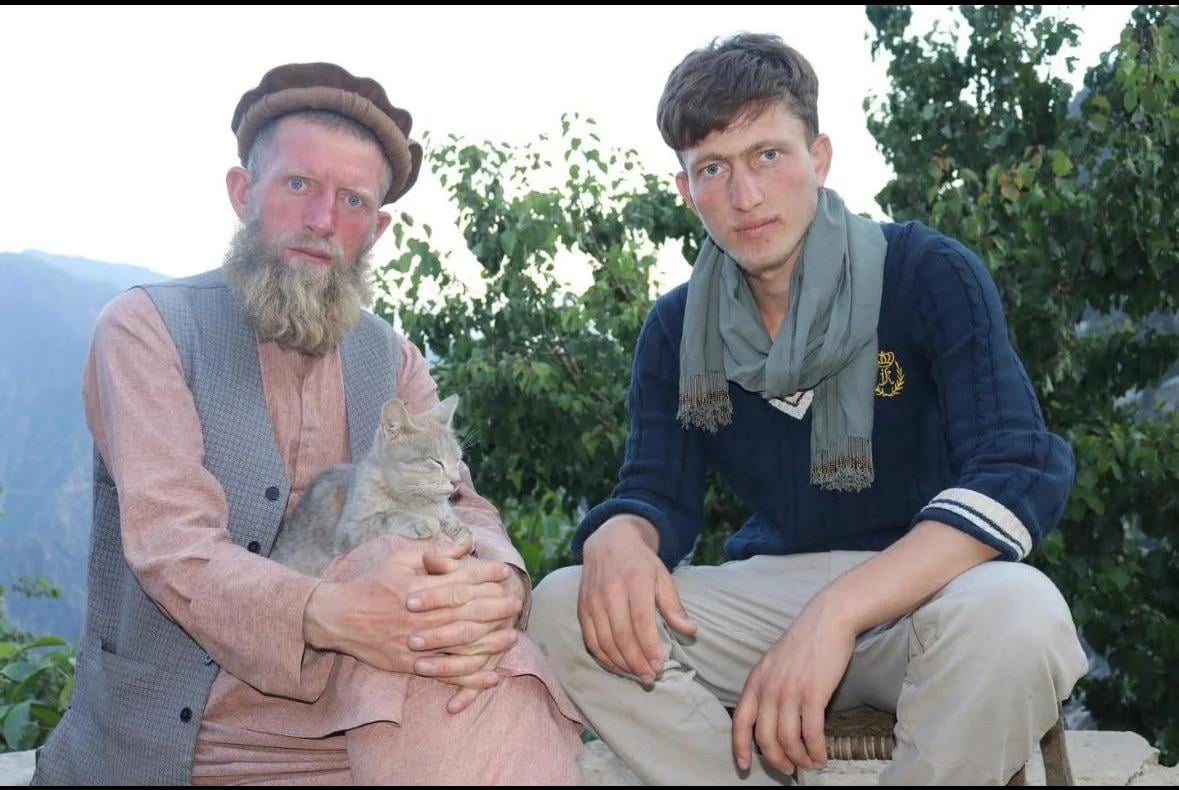
A villager and his son in eastern Afghanistan, Nuristan province.
Title: Life in the Mountains: A Day with a Father and Son in Afghanistan’s Nuristan Province
Meta Description: Discover the resilience, culture, and challenges of a Nuristani villager and his son in Afghanistan’s remote eastern mountains. Explore daily life, traditions, and hopes for the future.
Introduction: The Heart of Nuristan
Nestled in the jagged peaks of eastern Afghanistan, Nuristan Province is a land of breathtaking beauty and isolation. Known for its dense forests, terraced fields, and fiercely independent people, Nuristan remains one of Afghanistan’s most culturally distinct and least accessible regions. Here, life revolves around ancient traditions, subsistence farming, and the unyielding bond between generations. In this article, we follow Ahmad, a Nuristani farmer, and his 12-year-old son Jamal, as they navigate a day in their village near Parun, the provincial capital—a testament to resilience amid hardship.
The Nuristani Way of Life: Tradition Steeped in the Mountains
For centuries, Nuristan (formerly Kafiristan, or “Land of the Unbelievers”) resisted outside influence until its forced Islamization in the 1890s. Today, Nuristanis maintain unique cultural practices, from polyphonic folk music to intricate woodcarving. Ahmad’s family, like most villagers, lives in a stone-and-wood house perched on a mountainside, where they grow wheat, corn, and walnuts on terraced plots.
A Typical Day for Ahmad and Jamal:
- Before Dawn: Ahmad rises to pray and prepare tools while Jamal fetches water from a glacial stream. Water scarcity is a constant challenge, requiring hours of labor daily.
- Morning Work: They tend to their goats and repair terraces damaged by landslides—a common risk in the steep terrain. Jamal learns farming skills passed down through generations.
- Afternoon: Jamal attends a makeshift school run by a local elder, though classes are sporadic due to a lack of teachers and supplies.
Challenges: Survival in Afghanistan’s “Wild East”
Nuristan’s isolation—cut off by snow half the year and rugged roads—intensifies struggles:
-
Poverty and Resource Scarcity
With no hospitals or electricity, villagers rely on subsistence farming and herding. Malnutrition is widespread, and droughts or floods can wipe out harvests. -
Conflict and Instability
Decades of war have left Nuristan vulnerable to insurgent activity. Security concerns limit access to aid and development projects. -
Education Gaps
Only 30% of Nuristani children attend school (UNICEF). Jamal dreams of becoming a teacher, but his future hinges on whether his family can afford to send him to a distant city.
Cultural Heritage: Nuristan’s Hidden Treasures
Despite hardships, Nuristanis take pride in their identity:
- Woodcarving: Ahmad crafts ornate chairs and doors featuring ancestral symbols.
- Music and Dance: Festivals feature the waj (a lute-like instrument) and circle dances celebrating harvests or weddings.
- Language: Jamal speaks Kamkata-vari, one of Nuristan’s endangered Indo-European languages, now overshadowed by Pashto and Dari.
“Our ancestors survived empires and invaders,” says Ahmad. “We teach Jamal to honor the old ways while adapting.”
A Father’s Hopes, A Son’s Dreams
Ahmad’s greatest fear is that Nuristan’s youth will leave for cities, eroding traditions. Yet he encourages Jamal’s education: “I want him to know more than these mountains.” For Jamal, balancing school with chores is exhausting, but he’s determined: “If I learn, I can help my village.”
Their story reflects a broader tension in rural Afghanistan—between preserving heritage and embracing change.
Conclusion: Resilience in Remote Afghanistan
Life for Ahmad and Jamal is a blend of endurance, tradition, and quiet hope. As international attention shifts from Afghanistan, communities like theirs face an uncertain future. Yet the bond between father and son—forged in daily struggle and shared purpose—symbolizes the unbroken spirit of Nuristan.
Supporting Nuristan: NGOs like Afghan Aid and Save the Children work to improve education and infrastructure, but sustainable change requires long-term commitment.
Keywords for SEO:
Nuristan province, Afghanistan rural life, Nuristani culture, Afghan villagers, father and son Afghanistan, Nuristan mountains, Nuristan traditions, education in Nuristan, Afghan farmer, life in eastern Afghanistan.
By shedding light on overlooked regions like Nuristan, we honor the resilience of those who call them home—one family, one mountain, at a time.