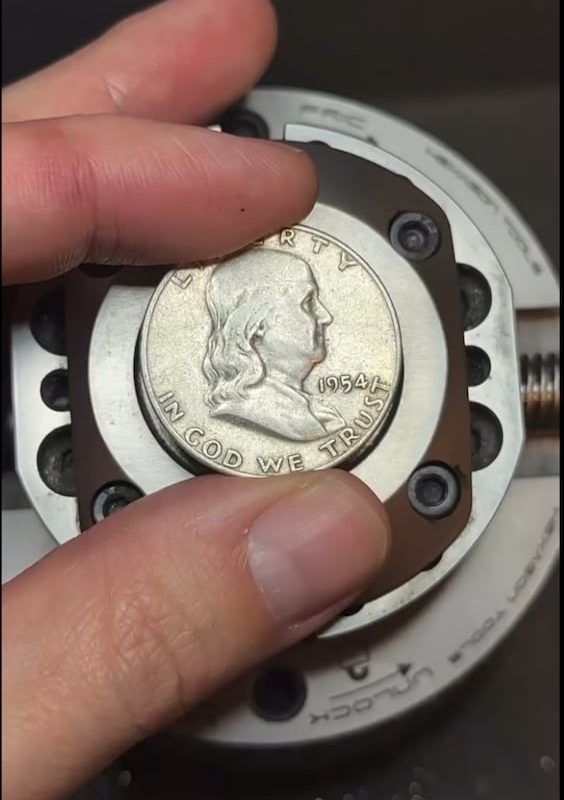
Give me liberty
Title: The Power of “Give Me Liberty”: A Definitive Guide to Patrick Henry’s Historic Cry for Freedom
Meta Description: Explore the origins, meaning, and enduring legacy of Patrick Henry’s legendary “Give me liberty, or give me death!” speech—a rallying cry that shaped America’s fight for independence.
Introduction: An Unforgettable Call to Arms
On March 23, 1775, a single phrase ignited a revolution: “Give me liberty, or give me death!” Spoken by American patriot Patrick Henry, these words crystallized the colonists’ resolve to break free from British tyranny. More than just a historic soundbite, this declaration remains a universal symbol of courage and the human spirit’s demand for freedom. In this deep dive, we’ll unpack the story behind the speech, its revolutionary impact, and why “Give me liberty” still resonates globally today.
The Historical Context: America on the Brink of Revolution
To understand Henry’s iconic words, we must revisit the simmering tensions of 1770s America:
- The Stamp Act (1765) & Townshend Acts (1767): Britain’s harsh taxes on colonies spurred widespread outrage and protests like the Boston Tea Party (1773).
- The Intolerable Acts (1774): Britain’s punitive response—closing Boston Harbor and stripping colonial self-governance—pushed many toward rebellion.
- Virginia’s Dilemma: As a Virginia legislator, Patrick Henry saw neighboring colonies preparing for war. But Virginia’s leaders were split: negotiate with Britain or fight?
Against this backdrop, Henry delivered a fiery speech at Richmond’s St. John’s Church during the Second Virginia Convention, aiming to sway delegates to arm the colony’s militia.
Breaking Down Henry’s Speech: Rhetoric That Changed History
Henry masterfully blended logic, emotion, and urgency to convince skeptics. Key lines reveal his strategy:
-
Appeal to Shared Trauma:
“We have done everything that could be done to avert the storm… Our petitions have been slighted; our remonstrances have produced additional violence.”
Henry emphasized that diplomacy had failed, leaving only defiance. -
The Iconic Ultimatum:
“Is life so dear, or peace so sweet, as to be purchased at the price of chains and slavery? Forbid it, Almighty God! I know not what course others may take; but as for me, give me liberty or give me death!”
This climactic line framed liberty as non-negotiable—worthy of the ultimate sacrifice.
Rhetorical Techniques That Amplified His Message:
- Repetition: “We must fight!” drummed into listeners’ minds.
- Biblical Allusions: Phrases like “lamp of experience” evoked shared moral values.
- Appeal to Honor: Henry shamed passive colonists: “They tell us, sir, that we are weak—unable to cope with so formidable an adversary.”
The result? Delegates voted to mobilize Virginia’s militia—critical support for the Revolutionary War.
The Legacy: How “Give Me Liberty” Shaped a Nation
Henry’s words didn’t just win a vote—they fueled America’s identity:
- Military Momentum: Within weeks, the Battles of Lexington and Concord erupted (April 1775).
- Cultural Influence: The speech appears in textbooks, films (Hamilton), and political rhetoric.
- Global Resonance: From Tiananmen Square to Ukraine’s fight for sovereignty, oppressed groups invoke Henry’s defiance.
Even today, historical sites like St. John’s Church (now a U.S. National Historic Landmark) keep the speech alive for visitors.
“Give Me Liberty” in Modern Times: Lessons for Today
Why does “Give me liberty” still inspire?
- A Blueprint for Activism: Henry’s formula—highlight injustice, reject complacency, demand action—guides modern movements (e.g., civil rights, democracy advocates).
- Education & Pop Culture: The quote is shorthand for courage in classrooms, TV shows (e.g., John Adams miniseries), and protest signs.
- Political Debates: Both left and right invoke “liberty” to defend causes like free speech or gun rights—proving its adaptable, potent symbolism.
Key Takeaways: Why Henry’s Words Endure
- Liberty Over Comfort: True freedom requires risk—a message relevant in eras of apathy or authoritarianism.
- The Power of Oratory: Words can mobilize nations, proving that rhetoric is as vital as weapons in revolutions.
- Timeless Principles: “Liberty or death” transcends borders, reminding us that human dignity is worth fighting for.
FAQs About Patrick Henry’s Famous Quote
-
Where did Patrick Henry deliver the speech?
At St. John’s Church in Richmond, Virginia, during the Second Virginia Convention. -
Did Henry say “Give me liberty” or “liberty or death”?
The full line was, “Give me liberty, or give me death!” -
Was the speech recorded word-for-word?
No—the exact wording was reconstructed years later by biographers using notes from Henry’s contemporaries.
Conclusion: A Cry That Echoes Through Centuries
“Give me liberty” isn’t just a relic of 1776. It’s a living testament to humanity’s unyielding quest for self-determination. Whether invoked in classrooms, protests, or art, Patrick Henry’s ultimatum challenges us: What price are we willing to pay for freedom? As long as tyranny exists, these words will ignite hearts—proving that some ideas truly are immortal.
Share Your Thoughts: How does “Give me liberty” inspire you today? Let us know in the comments!
Optimized Keywords: Give me liberty, Patrick Henry speech, liberty or death, American Revolution quotes, freedom quotes, historical speeches, colonial America, St. John’s Church.