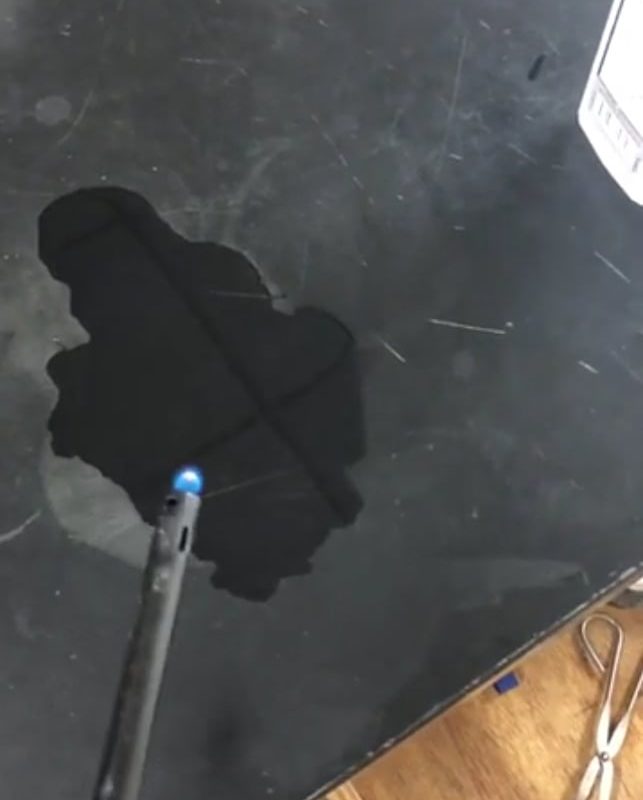
The manner in which the dry ice extinguishes the flame
Title: How Dry Ice Extinguishes Flames: The Science Behind the Cool Fire Suppression Method
Introduction
When fire breaks out, quick and effective suppression is critical. While water, foam, and chemical extinguishers are common solutions, dry ice (solid carbon dioxide) offers a fascinating alternative. But how does a substance best known for creating spooky fog effects douse flames? This article explores the science behind how dry ice extinguishes fire, its advantages, and safety considerations.
Understanding the Fire Triangle
Fire requires three components to survive, often called the “fire triangle”:
- Heat (ignition temperature)
- Fuel (combustible material)
- Oxygen (to sustain combustion)
To extinguish a fire, at least one of these elements must be removed. Dry ice tackles two sides of this triangle simultaneously, making it a unique suppressant.
How Dry Ice Works Against Flames
Dry ice is solid carbon dioxide (CO₂) at -78.5°C (-109.3°F). When exposed to fire, it doesn’t melt—it sublimates, transforming directly from a solid to a gas. This process enables it to combat fires in two key ways:
1. Oxygen Displacement (Smothering Effect)
- CO₂ gas is denser than air, meaning it rapidly blankets the fire.
- By displacing oxygen, it starves the flames of the essential component needed for combustion.
Science Insight: Fire requires oxygen concentrations of at least 16% to burn. Dry ice reduces oxygen levels below this threshold, suffocating the blaze.
2. Rapid Cooling (Temperature Reduction)
- The sublimation process absorbs a massive amount of heat from its surroundings (endothermic reaction).
- This sudden drop in temperature reduces the fire’s heat energy, preventing re-ignition and slowing combustion.
Dual Impact: By simultaneously cooling the fuel and removing oxygen, dry ice delivers a “one-two punch” to extinguish flames efficiently.
Benefits of Using Dry Ice for Fire Suppression
- Non-Toxic & Residue-Free: Unlike chemical extinguishers, dry ice leaves no harmful residue, making it ideal for labs, kitchens, or sensitive electronics.
- Electrical Safety: CO₂ is non-conductive, perfect for electrical fires.
- Eco-Friendly: It’s a byproduct of industrial processes and doesn’t deplete the ozone layer.
Limitations and Safety Notes
- Not for All Fire Types: Dry ice is ineffective on Class A fires (wood, paper) where deep cooling is required. Avoid using it on flammable metal (Class D) or cooking grease fires.
- Handling Risks: Always wear insulated gloves—direct contact causes frostbite. Use in well-ventilated areas to prevent CO₂ buildup, which can displace breathable air.
- Short-Term Solution: Best for small, contained fires. Large blazes require professional equipment.
Practical Applications
- Laboratories: Safely suppresses chemical fires without contaminating experiments.
- Industrial Settings: Protects machinery from electrical fires.
- Emergency Kits: Portable dry ice packs serve as backups in power outages or remote locations.
Dry Ice vs. Traditional CO₂ Extinguishers
While both rely on CO₂, dry ice is slower-acting due to its need to sublimate. Standard CO₂ extinguishers release pressurized gas for immediate blanketing, making them more practical for larger fires.
Conclusion
Dry ice extinguishes flames through a combination of oxygen displacement and rapid cooling—a clever exploitation of the fire triangle’s weaknesses. Though not a universal solution, its non-toxic, residue-free properties make it invaluable in niche scenarios. Always prioritize safety by understanding fire types and handling dry ice with care. Whether in a lab or a kitchen, this “cool” method showcases the power of science in fire safety innovation.
SEO Keywords: dry ice fire extinguisher, how dry ice puts out fire, CO₂ fire suppression, dry ice flame extinguishing, science of fire suppression, dry ice safety, fire triangle explained, non-toxic fire extinguisher.