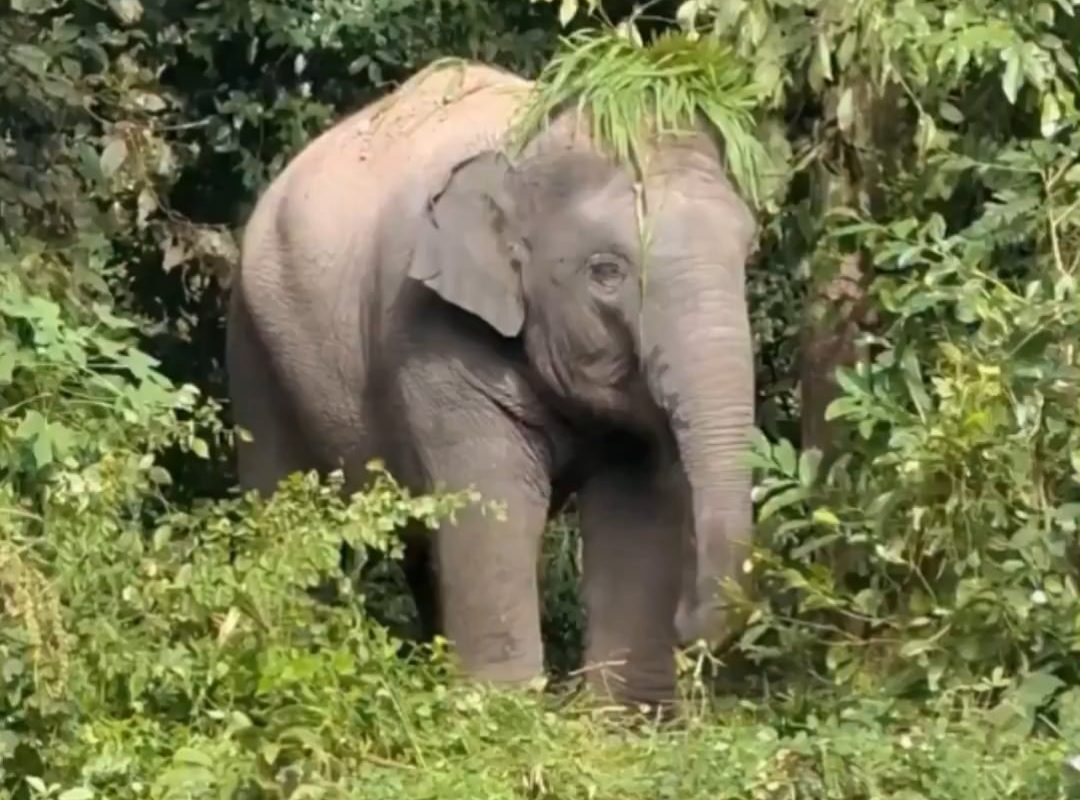
Elephant gives itself a grass haircut
Title: “Why Did the Elephant Give Itself a Grass Haircut? The Surprising Intelligence Behind This Quirky Behavior”
Meta Description: Discover the fascinating reason elephants use grass to groom themselves, and what this quirky “haircut” behavior reveals about their intelligence, social bonds, and survival instincts.
The Curious Case of the Elephant’s Grass “Haircut”: More Than Just a Funny Moment
Picture this: an African elephant plucks a clump of dry grass with its trunk, swings it skillfully against its body, and meticulously rubs it over its head and back. To an onlooker, it might look like the elephant is giving itself a whimsical “grass haircut.” But this quirky act isn’t just random play—it’s a window into the elephant’s remarkable intelligence, social complexity, and adaptability.
In this article, we explore why elephants engage in this unique grooming ritual, the science behind their tool-use abilities, and what these behaviors teach us about their place in the animal kingdom.
What Does an Elephant’s “Grass Haircut” Actually Look Like?
When an elephant grabs grass (or sometimes a branch) and uses it to scrub its skin, the behavior mimics grooming habits seen in primates, birds, and even humans. Here’s how it unfolds:
- Tool Selection: The elephant carefully chooses a clump of grass or a sturdy branch—often favoring coarse, dry strands that act like natural brushes.
- Trunk Dexterity: Holding the grass firmly in its trunk, the elephant swings or rubs it against its body, focusing on hard-to-reach spots like the head, back, or behind the ears.
- Social Context: This “grooming” often happens in groups, with other elephants observing or mimicking the behavior.
Why Do Elephants “Groom” Themselves with Grass? 4 Key Reasons
This behavior isn’t just about staying clean—it serves critical survival purposes:
-
Parasite Removal:
Elephants battle ticks, flies, and skin parasites. Rough grass acts like a loofah, dislodging pests and preventing infections. -
Skin Protection:
African elephants have sensitive skin that cracks under harsh sunlight. Dust baths and grass scrubs spread protective mud or dirt across their bodies, shielding them from UV rays. -
Cooling Mechanism:
Scrubbing with grass may help elephants stay cool by stimulating sweat glands (yes, elephants sweat!) and improving airflow across their skin. -
Comfort and Stimulation:
Like cats scratching posts, elephants appear to enjoy the tactile sensation. It could also relieve itchiness caused by dry skin or molting.
The Science Behind the Behavior: Elephants as Tool-Using Geniuses
Elephants are among the few animals proven to use tools intentionally—a sign of advanced cognition:
- Problem-Solving Skills: Studies show elephants modify tools (e.g., breaking branches to the right length) for specific tasks.
- Social Learning: Calves learn grass-grooming by watching elders, highlighting cultural transmission of knowledge.
- Self-Recognition: Elephants pass the “mirror test,” proving they understand their own bodies—which likely explains their deliberate self-care.
Why This Matters: Elephants Are Architects of Their Ecosystems
Beyond intelligence, this grass-grooming habit underscores elephants’ role as ecosystem engineers:
- Seed Dispersal: As elephants move while grooming, they drop grass seeds, aiding plant growth.
- Biodiversity Support: Their grooming sites create microhabitats for insects and birds.
Conservation Connection: Protecting the World’s Smartest Giants
Elephant populations face threats from poaching and habitat loss. Understanding their complex behaviors—like tool use and social grooming—reinforces why conservation is critical:
“When we protect elephants, we protect an entire web of life shaped by their wisdom.” — Dr. Joyce Poole, Elephant Ethologist
FAQ: Your Elephant Behavior Questions Answered
Q: Are elephants self-aware?
A: Yes! They recognize themselves in mirrors, mourn their dead, and show empathy—traits linked to high intelligence.
Q: Do other animals use tools like this?
A: Dolphins, chimpanzees, and crows do, but elephants stand out for their ability to manipulate tools with precision using their trunks.
Q: Can elephants actually “groom” each other with grass?
A: While self-grooming is more common, elephants sometimes use grass or branches to gently scratch herd members—a sign of social bonding.
Conclusion: The Grass Haircut That Teaches Us About Nature’s Wonders
An elephant’s “grass haircut” is far more than a quirky sight—it’s a testament to their adaptability, intellect, and emotional depth. By observing these gentle giants, we’re reminded that intelligence takes many forms in the wild, each deserving of our respect and protection.
Want to Help? Support elephant conservation via the World Wildlife Fund or Save the Elephants.
Target Keywords: elephant grooming, elephant tool use, animal intelligence, elephant behavior, grass haircut elephant, why elephants use grass
Internal Links (if applicable):
- [How Elephants Communicate: Secrets of the Infrasound Language]()
- [10 Astonishing Facts About Elephant Families]()
Image Alt Text Suggestions:
- “African elephant using grass to groom its back”
- “Elephant calf learning grass-grooming behavior from mother”