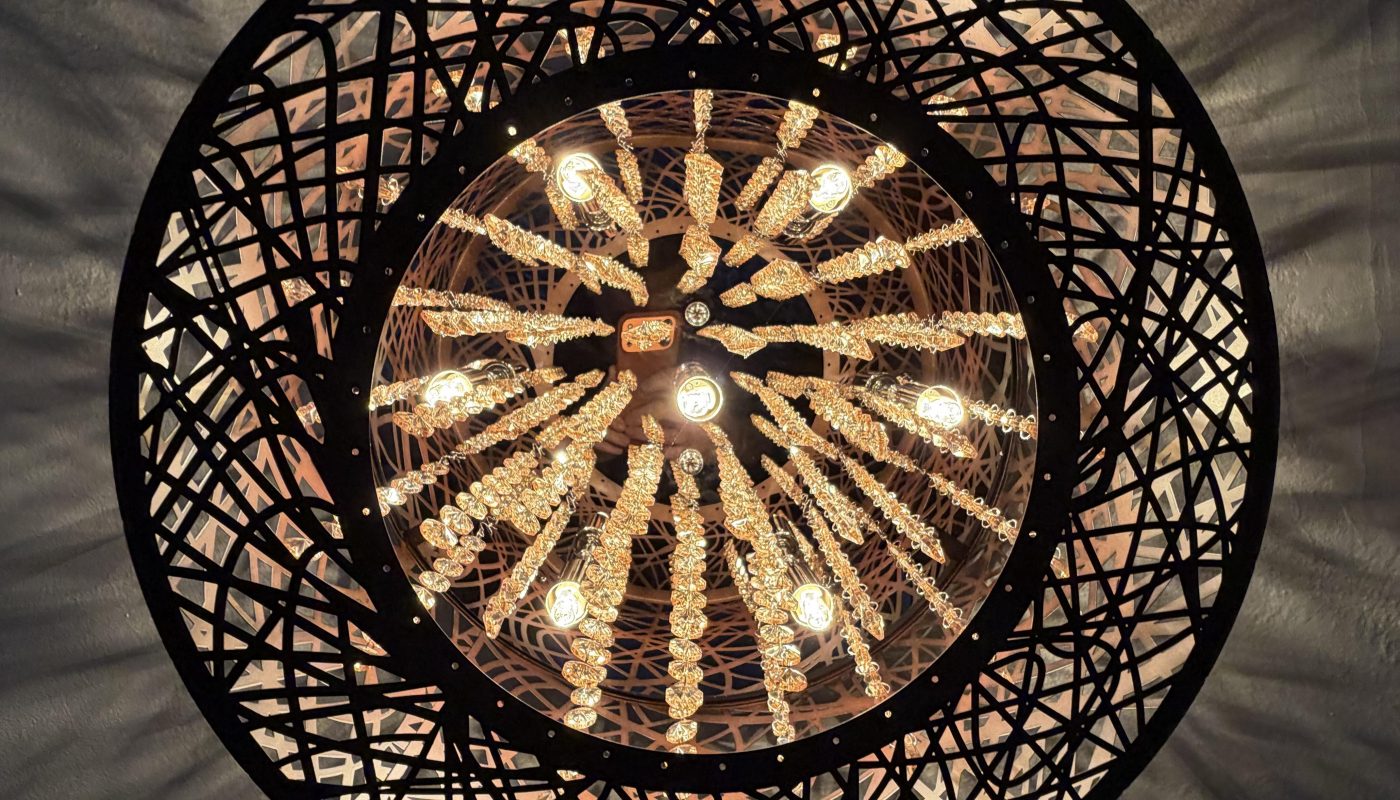
Looking up into a light
Looking Up Into a Light: The Science, Risks, and Symbolism of an Instinctive Act
Keywords: afterimages from bright lights, why do I see spots after looking at light, photopsia causes, avoid eye damage from light, staring at light spiritual meaning
We’ve all done it—gazed upward at a bright light, whether it’s the sun, a flashlight, or a stage spotlight. But what happens to our eyes when we look up into a light? Is it harmful? Why do we see lingering spots afterward? This guide explores the fascinating science behind this reflex, its risks, and what it means emotionally and culturally.
The Instinct Behind Looking Up Into Light
Humans are wired to orient toward light. Evolutionarily, light sources signaled safety, resources, or navigational cues. Psychologically, staring at light can evoke feelings of awe, curiosity, or even transcendence—think stargazing or spiritual practices involving candles. Yet biologically, our eyes pay a price for this reflex.
What Happens Physiologically When You Stare at Light
1. The Pupil Reflex
When intense light enters the eye, your pupils instantly constrict to limit exposure. This protective mechanism minimizes potential damage to the retina. But prolonged staring can overwhelm this defense.
2. Afterimages: Why You See “Spots” or “Shadows”
Bright lights overstimulate photoreceptor cells in the retina. When you look away, these cells need time to recover, creating temporary afterimages—ghostly shapes in your vision. This is called photopsia, a harmless (yet jarring) phenomenon.
Example: Staring at a camera flash leaves a floating blotch for seconds.
3. Risk of Retinal Damage
Solar retinopathy is a real danger. UV rays from direct sunlight can burn retinal tissue, causing blurry vision or permanent blind spots. Symptoms may appear hours later, highlighting why never to stare at the sun.
When to See a Doctor:
- Persistent spots/flashing lights (possible migraine aura or retinal detachment)
- Pain, watery eyes, or headaches after light exposure
The Dark Side of Light: Risks and Precautions
- Digital Screens: Blue light from phones/computers causes eye strain but isn’t retina-damaging. Use night mode or 20-20-20 breaks.
- Welding Arcs & UV Lights: These emit intense UV radiation—always wear protective eyewear.
- Medications & Light Sensitivity: Antibiotics like tetracycline can increase photosensitivity. Consult your doctor.
The Symbolism of Light-Gazing
Beyond biology, looking up into light carries rich metaphorical meanings:
- Spiritual Awakening: Many religions equate light with divine presence (e.g., halos, “seeing the light” during near-death experiences).
- Hope & Guidance: Lighthouses, lanterns, and candles symbolize direction in darkness.
- Existential Reflection: Philosophers like Plato used light as a metaphor for truth (“Allegory of the Cave”).
Cultural Examples
- Art: Van Gogh’s starry skies evoke wonder through swirling light.
- Literature: Dante’s Paradiso climaxes with gazing into heaven’s radiant light.
How to Safely Experience Light Without Harm
- Use Peripheral Vision: Glance sideways at bright objects (e.g., sunsets) to reduce retinal stress.
- Wear Sunglasses: Opt for UV400-protective lenses outdoors.
- Limit Screen Glare: Position monitors below eye level to avoid upward staring.
Conclusion: Respect Light’s Power—and Poetry
Looking up into a light is a blend of biology and symbolism. While it poses risks to eye health, it also connects us to universal themes of clarity, inspiration, and the sublime. Practice mindful viewing—protect your vision, but don’t shy away from marveling at a sunrise or the quiet glow of a lamppost at night.
Meta Description: Discover why looking up into a light causes spots, risks of retinal damage, and the spiritual symbolism behind this common act. Learn safety tips and science-backed insights today.