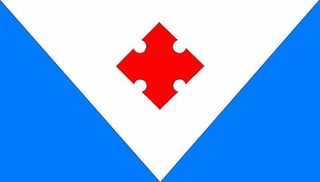
Votians. The rarest ethnic group in Europe, sadly has around one hundred people left.
Title: The Votians: Europe’s Rarest Ethnic Group, Fighting for Survival
Meta Description: Discover the story of the Votians–Europe’s smallest and most endangered ethnic group. Learn about their rich culture, fading language, and urgent preservation efforts.
The Votians: A Fading Legacy in Europe’s Cultural Mosaic
Europe is home to over 160 distinct ethnic groups, but none are as critically endangered as the Votians (or Votes). With an estimated 100 native speakers left—mostly elderly—this indigenous Finno-Ugric community clings to survival on the northwestern edge of Russia. Once thriving along the shores of the Baltic Sea, the Votians now symbolize the fragility of cultural heritage in a globalized world.
Who Are the Votians?
The Votians are an indigenous people native to Ingria, a historical region spanning modern-day Russia’s Leningrad Oblast and Estonia’s border. Their roots trace back 1,500 years, making them one of Europe’s oldest surviving Finno-Ugric tribes, related linguistically to Estonians, Finns, and the near-extinct Livonians.
Key Facts:
- Population: ~100 ethnic Votians (primarily in villages like Lužitsy and Krakolye).
- Language: The Votic language (vađđa ceeli), now listed as critically endangered by UNESCO.
- Identity: Known for fishing traditions, folklore, and Orthodox Christian practices blended with ancient rituals.
The Decline of a Culture
The Votians’ decline began in the 20th century due to:
- Soviet Assimilation Policies: Forced relocations, bans on minority languages, and collectivization.
- World War II: Mass deportations to Finland and Estonia disrupted communities.
- Modern Pressures: Youth migration, cultural erosion, and the dominance of Russian.
By the 1980s, only a handful of Votic speakers remained. Today, most bearers of the language are over 70, with no fluent children.
The Fight to Preserve Votic Heritage
Despite their dwindling numbers, grassroots efforts aim to save Votic culture:
- Language Revival: Linguists document the language through audio recordings and dictionaries. The Votic Dictionary by Paul Ariste is a key resource.
- Cultural Workshops: NGOs like Ingrian Centre in Estonia host events teaching traditional crafts, songs, and cooking (e.g., kalakukko fish pie).
- Digital Tools: Social media and YouTube channels share oral histories, while apps like Memrise offer basic Votic lessons.
Quote from Masha, a Votic Elder:
“Our language is like a flame in the wind. If we stop speaking it, our people vanish.”
Why Saving the Votians Matters
The loss of the Votians would mean more than losing a language—it would erase:
- A living link to pre-Christian Baltic Finnic traditions.
- Unique ecological knowledge tied to the Gulf of Finland’s coastlines.
- A reminder of how fragile minority cultures are amid globalization.
How You Can Help
Support organizations working with the Votians:
- UNESCO’s Endangered Languages Programme
- Finnish Heritage Agency (documentation projects)
- Local NGOs like the Votic Society in Estonia
Sharing their story on social media or donating to language preservation funds can amplify their voice.
A Race Against Time
The Votians’ plight mirrors challenges faced by Indigenous groups worldwide, from the Ainu of Japan to the Sami of Scandinavia. Their survival hinges on global awareness and urgent action. As linguist Tapani Salminen warns, “When a language dies, a universe of thought vanishes with it.”
Keywords for SEO: Votians, rarest ethnic group Europe, endangered languages, Votic language, Finno-Ugric tribes, cultural preservation, indigenous rights, UNESCO heritage, Lužitsy Russia.
Image Suggestion: Include photos of Votic elders, traditional handicrafts (like woven baskets), or maps of historical Ingria.
By shedding light on the Votians, we honor their resilience and take a stand for cultural diversity—one story at a time.