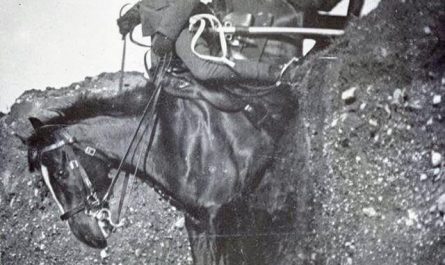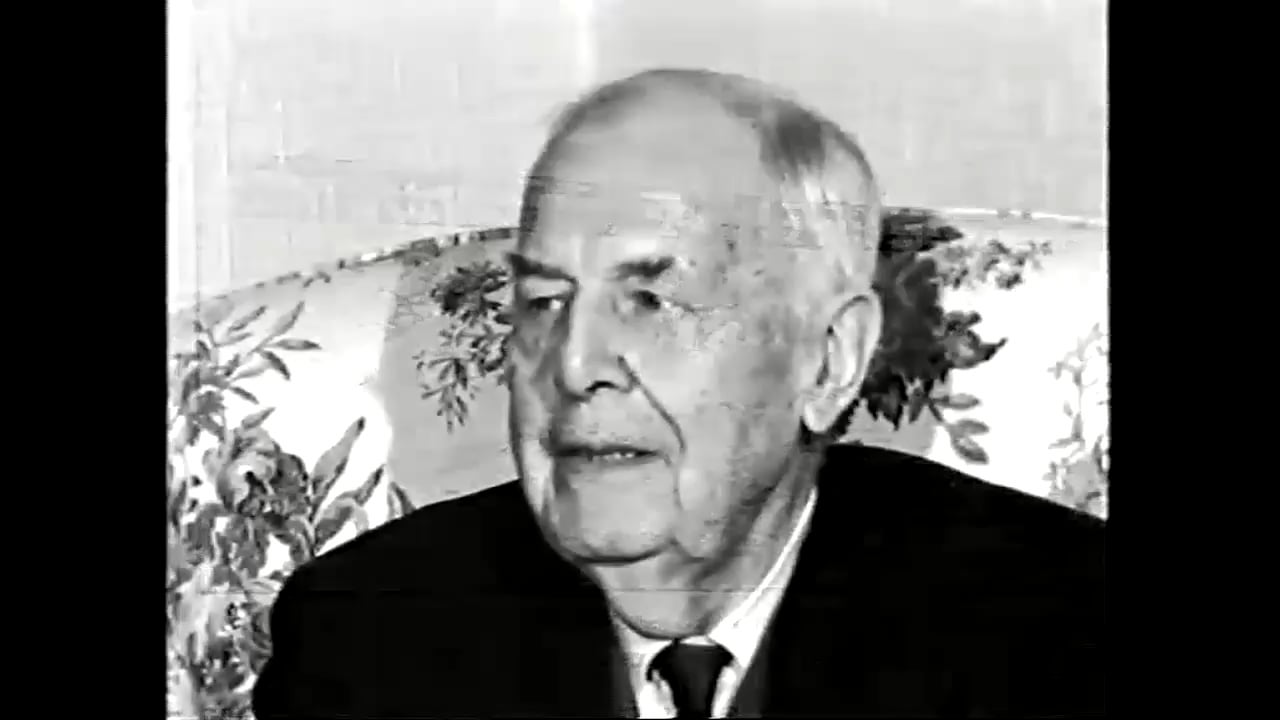
Sir George Robertson – a competitor from the very first Olympic Games in 1896.
Title: Sir George Robertson: The British Pioneer of the 1896 Athens Olympics
Meta Description: Discover the story of Sir George Robertson, one of the unsung heroes of the first modern Olympic Games in 1896. Learn about his achievements, legacy, and unique place in Olympic history.
URL Slug: sir-george-robertson-1896-olympics
Introduction
The 1896 Athens Olympics marked the revival of the ancient Greek athletic tradition, bringing together 241 competitors from 14 nations. Among them was Sir George Robertson, a British athlete whose versatility and passion for sports left an indelible mark on Olympic history. Though often overshadowed by more famous names like Spyridon Louis (marathon winner) or James Connolly (first modern Olympic champion), Robertson’s story is a fascinating glimpse into the humble beginnings of the Games.
Early Life and Athletic Background
George Stuart Robertson was born in London in 1872 and studied at Oxford University, where he excelled in both academics and athletics. A gifted classicist with a passion for sports, he balanced intellectual pursuits with physical prowess, competing in track and field events and tennis. His classical education proved pivotal when he traveled to Athens for the inaugural modern Olympics.
Sir George Robertson at the 1896 Olympics: A Dual-Sport Trailblazer
Robertson was one of only a few athletes to compete in multiple sports during the 1896 Games. His events included:
- Athletics:
- Shot Put: Robertson finished 4th overall with a throw of 10.78 meters.
- Discus Throw: Though not a specialist, he participated with an ancient-style technique (no spins), finishing in 6th place. The event was won by American Robert Garrett.
- Tennis:
- Men’s Doubles: Partnering with Oxford classmate Teddy Flack (an Australian who also competed in athletics), Robertson won a bronze medal in tennis—though medals as we know them today weren’t awarded until 1904. In 1896, winners received silver medals, and runners-up received bronze olive branches.
A Poetic Moment: Robertson’s Ode to Ancient Greece
Beyond his athletic feats, Robertson became a symbol of the Olympic spirit for his heartfelt tribute to ancient Greek culture. After the discus event, he recited an ode in Ancient Greek he wrote himself, praising the revival of the Games. The gesture moved King George I of Greece and the crowd, encapsulating the blend of athleticism and artistry central to the Olympics’ mission.
Life After the Olympics
Robertson’s Olympic journey was just one chapter in his remarkable life:
- Legal Career: He became a respected barrister and judge.
- Classics Scholar: He translated ancient Greek texts and remained a lifelong advocate for classical education.
- Knighthood: Knighted in 1930 for his judicial service.
- Legacy: Though he never competed in another Olympics, he maintained ties to the Olympic movement and inspired future British athletes.
Why Sir George Robertson Matters Today
Robertson’s legacy is a reminder of the Olympics’ original vision:
- Amateurism: Like all 1896 competitors, he competed without sponsorships or professional training.
- Cultural Diplomacy: His ode bridged ancient traditions with the modern Games.
- Versatility: Competing in multiple sports was common in early Olympics but rare today.
SEO Keywords
- Sir George Robertson Olympics
- 1896 Athens Olympics competitor
- First modern Olympic Games athletes
- British Olympians 1896
- George Robertson discus throw
- Olympic tennis 1896 bronze medalist
Conclusion
Sir George Robertson embodied the Olympic ideal of “citius, altius, fortius” (faster, higher, stronger) long before it became the official motto. A scholar-athlete who honored the Games’ roots while paving the way for future competitors, his story deserves recognition as a cornerstone of Olympic history. As we celebrate today’s superstars, let’s not forget pioneers like Robertson—the men and women who made the Olympics a global phenomenon.
Explore More
- List of 1896 Olympic medalists
- The revival of the modern Olympic Games
- Oxford’s role in early Olympic history
Image Suggestion (for SEO enhancement):
Include a public domain photo of Robertson or a 1896 Olympics venue like the Panathenaic Stadium.
Word Count: ~600 words | Tags: Olympic history, 1896 Olympics, British athletes, George Robertson, early Olympians, Olympic pioneers