How metal buckles are made using machines for industrial use!
How Metal Buckles are Made Using Machines for Industrial Use
Metal buckles are indispensable components in industries like fashion, luggage, automotive, sporting goods, and military gear. Their durability, strength, and reliability make them ideal for securing straps, belts, and harnesses. Modern manufacturing relies heavily on advanced machinery to produce high-quality metal buckles at scale. In this article, we explore how industrial machines streamline the production of metal buckles, from raw materials to finished products.
The Importance of Metal Buckles in Industrial Applications
Metal buckles must withstand heavy loads, corrosion, and repeated use. Common metals include:
- Stainless Steel: Resists rust and extreme conditions (ideal for marine or outdoor gear).
- Zinc Alloy: Lightweight and cost-effective (used in fashion accessories).
- Brass: Aesthetic appeal with moderate strength (common in leather goods).
- Aluminum: Lightweight and corrosion-resistant (for aerospace or automotive).
To meet industrial demands, manufacturers use precision machinery to ensure consistency, efficiency, and compliance with safety standards.
Step-by-Step: Machine-Driven Metal Buckle Manufacturing
1. Material Selection & Preparation
- Raw Material Sourcing: Metal sheets, rods, or wires are sourced based on buckle specifications.
- Cutting: Laser cutters or CNC plasma machines slice metal into blanks (pre-formed shapes). This ensures minimal waste and exact dimensions.
2. Design & Prototyping
- CAD Software: Engineers create 3D models of the buckle design, factoring in load capacity, thickness, and clasp mechanisms.
- CNC Machining: Prototypes are milled or turned on CNC machines to test functionality before mass production.
3. Forming the Buckle Shape
Industrial machines shape the metal using these processes:
-
Stamping/Pressing:
Hydraulic presses and stamping dies punch, bend, or pierce metal blanks into buckle frames, tongues, and prongs. High-speed stamping presses can produce thousands of units per hour. -
Casting (for Complex Designs):
Molten metal is injected into molds via die-casting machines. This suits intricate designs like decorative buckles. -
Wire Forming:
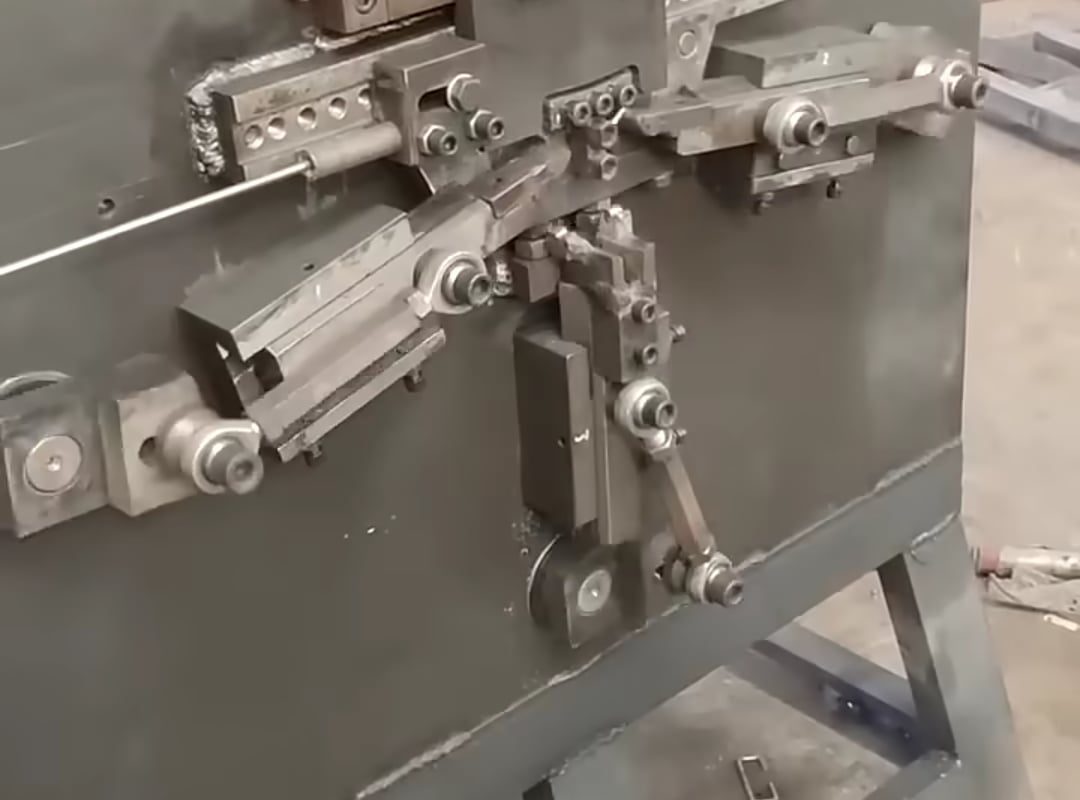
For buckles with loops or D-rings, CNC wire-bending machines twist and shape metal wire into precise geometries.
4. Joining Components
- Welding: Robotic MIG/TIG welders fuse parts like hinges or prongs to the buckle frame.
- Riveting: Automated riveting machines attach movable parts (e.g., adjustment bars) securely.
5. Surface Finishing
Machines apply finishes to enhance durability and aesthetics:
- Polishing: Rotary tumblers or robotic polishing arms smooth rough edges.
- Plating: Electroplating machines coat buckles with nickel, chrome, or black oxide for corrosion resistance.
- Powder Coating/Painting: Automated spray systems apply even coatings in colors.
- Laser Etching: Fiber lasers engrave logos, branding, or size labels.
6. Quality Control & Testing
- Automated Inspection: Vision systems and sensors check dimensions, defects, and finish quality.
- Load Testing: Machines apply stress to verify tensile strength and clasp integrity.
Advantages of Machine-Made Metal Buckles
- Precision: CNC machines ensure uniformity across high-volume orders.
- Scalability: Automated lines produce 10,000+ units daily with minimal labor.
- Cost-Effectiveness: Reduced waste and faster cycles lower per-unit costs.
- Customization: Easily adaptable to unique designs or client specifications.
Industrial Applications of Machine-Manufactured Buckles
- Outdoor & Tactical Gear: Backpacks, climbing harnesses, and body armor.
- Automotive Safety: Seatbelt buckles and cargo restraints.
- Fashion & Footwear: Belts, boots, and handbag closures.
- Aerospace & Marine: Parachutes, life jackets, and rigging systems.
Conclusion: The Future of Buckle Manufacturing
As technology evolves, buckle production is becoming smarter and greener. Innovations like AI-driven quality control and energy-efficient machining reduce waste and improve reliability. For industries relying on heavy-duty fastening solutions, partnering with automated manufacturers ensures dependable, competitively priced metal buckles tailored to exact needs.
FAQs About Metal Buckle Manufacturing
Q: What metals are strongest for industrial buckles?
A: Stainless steel (grade 304 or 316) and titanium offer the highest strength-to-weight ratios.
Q: How long does it take to produce custom buckles?
A: With CAD and CNC machining, prototypes take 1–2 weeks. Mass production cycles depend on order size (typically 4–8 weeks).
Q: Can buckles be made sustainably?
A: Yes! Recycled metals, water-based plating, and solar-powered factories are growing trends.
Q: What’s the minimum order quantity (MOQ) for machine-made buckles?
A: MOQs vary, but many manufacturers accept orders from 500–1,000 units for custom designs.
Optimize your supply chain with machine-crafted metal buckles—engineered for performance and built to last. 🏭🔩