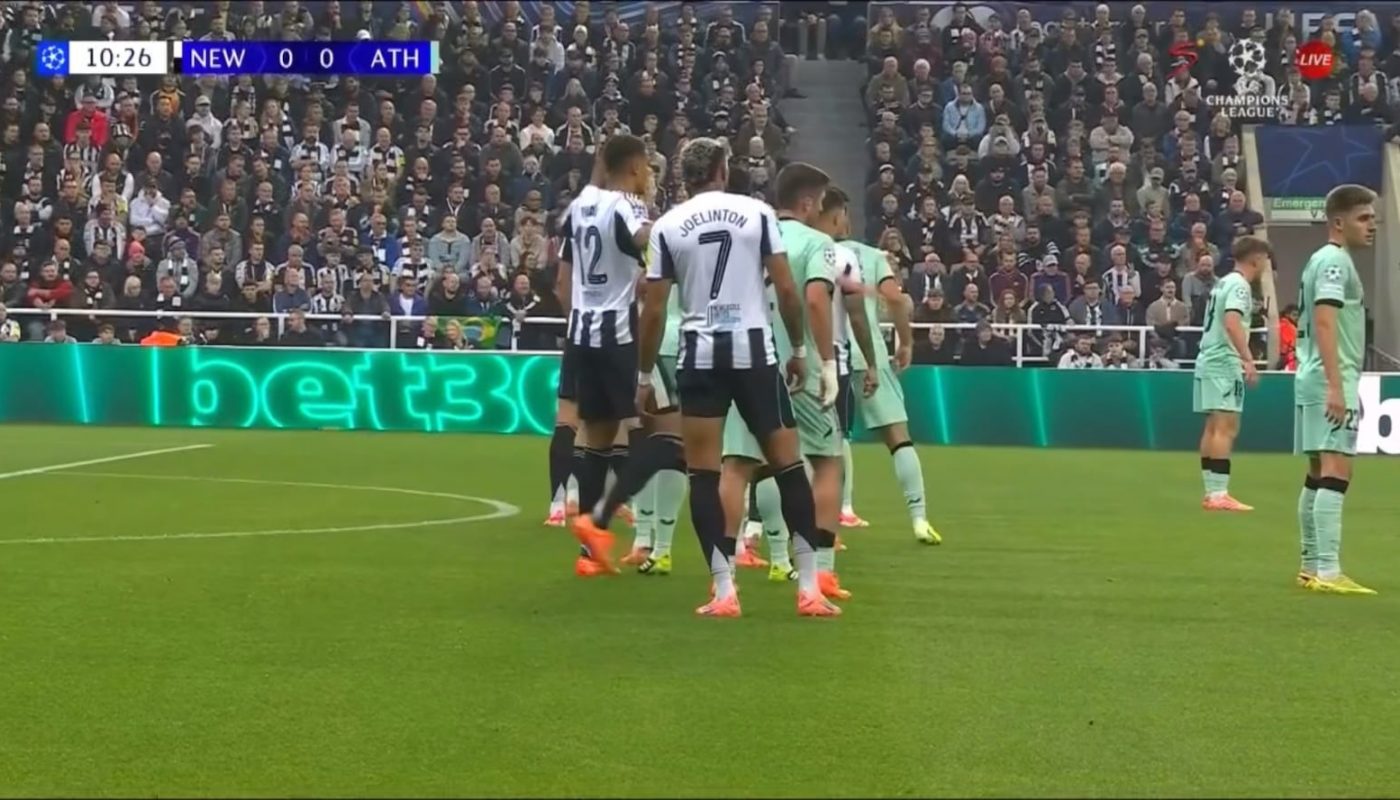
The skill level to curl a ball with your head
The Ultimate Guide to Mastering the Art of Heading a Soccer Ball
Introduction: Why Heading is a Game-Changing Skill
Heading a soccer ball isn’t just about physical power—it’s a nuanced skill that demands precision, timing, and courage. From beginners learning the basics to elite pros bending the ball into the net, curling a header requires mastery of technique, body positioning, and mental focus. Whether you’re defending a cross, scoring a goal, or redirecting play, understanding the skill level required to execute a perfect header could elevate your game dramatically.
The Fundamentals: What Does It Take to Curl a Ball with Your Head?
Successfully heading a soccer ball involves more than just making contact with your forehead. Here’s what you need at every level:
1. Beginner Level: Building Confidence & Technique
- Key Skills:
- Body Positioning: Align your body with the ball’s trajectory. Knees bent, eyes open, and neck muscles engaged.
- Contact Point: Strike the ball with your forehead (the flat area between your hairline and eyebrows), never the top of your head.
- Timing: Judge the ball’s flight path and leap or adjust your stance to meet it at the highest point.
- Safety First: Beginners often fear injury. Use lightweight balls and start with stationary or slow-moving crosses.
Drill for Beginners:
Partner-toss practice: Have a teammate gently throw the ball to your forehead while you focus on clean contact and follow-through.
2. Intermediate Level: Power & Directional Control
Once comfortable with the basics, refine your ability to add intent to your headers:
- Generating Power: Use your torso and neck muscles, not just your head. Arch backward slightly before snapping forward.
- Accuracy: Aim for specific targets (e.g., corners of the goal, a teammate’s feet).
- Timing Aerial Challenges: Practice jumping vertically while tracking the ball mid-flight.
Advanced Techniques:
- Flick-On Headers: Subtly redirect the ball backward or sideways to deceive defenders.
- Diving Headers: For low balls, launch forward while airborne—high-risk but high-reward for scoring.
Drill for Intermediates:
Set up cones or targets in the goal. Have a partner cross the ball from the wing while you aim for each marker.
3. Advanced Level: Curling & Creative Heading
Curling a ball with your head—like bending a free kick—requires elite-level spatial awareness and finesse:
- Angled Contact: Strike the ball slightly off-center to impart spin. For example, hitting the left side of the ball curves it right.
- Body Torque: Rotate shoulders mid-air to generate rotational force.
- Game Intelligence: Anticipate crosses early, position yourself between defenders, and disguise your intentions.
Pro-Level Examples:
Legendary headers like Cristiano Ronaldo’s leaping “hang time” goals or Didier Drogba’s powerful near-post flicks demonstrate how curl, power, and precision combine.
Common Mistakes to Avoid
- Closing Your Eyes: Always track the ball visually to avoid mishits.
- Poor Posture: Leaning backward or forward too much reduces control and power.
- Incorrect Contact Area: Using the temples or crown increases concussion risk.
How to Practice Effectively
- Wall Headers: Bounce the ball off a wall and practice redirecting it.
- Aerial Drills: Use a crossbar machine or teammate to simulate in-game crosses.
- Strength Training: Build neck, core, and leg muscles for power and stability.
Safety Considerations
- Concussion Risks: Limit heading drills for youth players (under age 12 in the US/UK). Use foam or lighter balls for training.
- Strengthen Neck Muscles: Exercises like neck bridges and resistance band work reduce injury risk.
- Alternative Techniques: Younger players should prioritize foot skills and positional awareness before heavy heading.
Why Master Heading? Competitive Advantages
- Goal-Scoring: 20–30% of professional goals come from headers.
- Defensive Stability: Clearing crosses or long balls relieves pressure.
- Aerial Dominance: Win crucial 50/50 duels during corners, free kicks, and throw-ins.
Conclusion: Start Small, Aim High
Curling a ball with your head isn’t a skill you’ll master overnight—but with progressive training, focus on form, and patience, you can transform it into a weapon. Whether you’re a weekend warrior or aspiring pro, sharpening this ability will make you indispensable on the pitch.
Final Tip: Study footage of iconic headers in games and emulate the footwork, timing, and bravery of players like Sergio Ramos or Lucy Bronze.
Target Keywords:
- How to head a soccer ball
- Heading technique in soccer
- Curling headers in football
- Improve aerial ability soccer
- Heading drills for accuracy