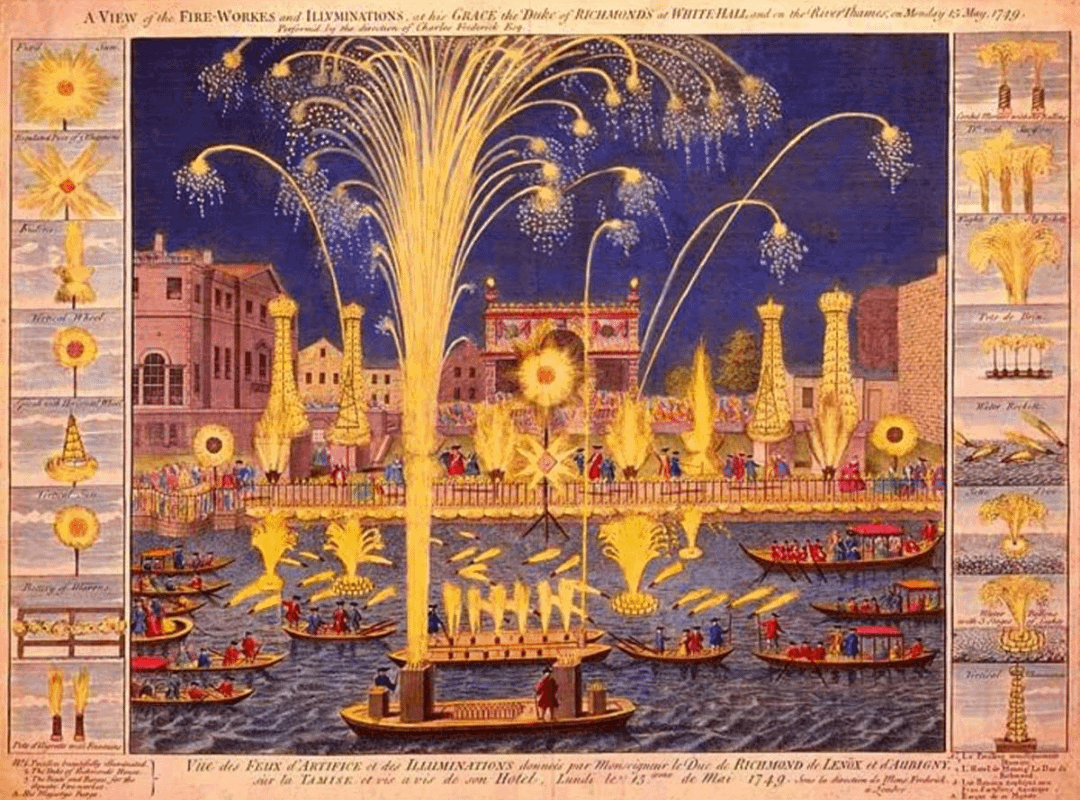
Fireworks rituals were linked to exorcising spirits. Fireworks began in ancient China as a way to drive away evil spirits before becoming a fun global celebration.
Title: From Ancient Exorcism to Global Spectacle: The Spiritual Roots of Fireworks
Meta Description: Discover how fireworks began in ancient China as rituals to exorcise evil spirits before evolving into the dazzling celebrations we know today. Explore their fascinating cultural journey!
Introduction
Fireworks light up the night sky in a symphony of color and sound, captivating millions during holidays, festivals, and national celebrations. But long before they became symbols of joy, fireworks held a far more mystical purpose: exorcising dark forces. This ancient practice, rooted in Chinese folklore, reveals how a spiritual ritual transformed into one of the world’s most beloved traditions.
The Birth of Fireworks: A Weapon Against Evil Spirits
Fireworks trace their origins to China’s Han Dynasty (206 BCE–220 CE), where early chemists—often alchemists seeking immortality—stumbled upon an explosive mixture of saltpeter, sulfur, and charcoal. This rudimentary gunpowder, known as huo yao (“fire medicine”), was packed into bamboo tubes and thrown into fires, creating thunderous blasts believed to terrify malevolent spirits.
The Legend of Nian
Central to this ritual is the myth of Nian, a ferocious beast that emerged each New Year to ravage villages and devour people. According to legend, villagers discovered that Nian feared loud noises, bright lights, and the color red. To repel the creature, they exploded bamboo stalks in bonfires, hung red lanterns, and lit flares—practices that became the foundation of Lunar New Year celebrations and the earliest fireworks displays.
From Ritual to Celebration: Fireworks in Chinese Culture
By the Tang Dynasty (618–907 CE), fireworks evolved into artistic expressions. Chinese innovators refined gunpowder into aerial shells, crafting intricate patterns to honor deities during religious festivals like the Lantern Festival and Mid-Autumn Festival. These displays retained their spiritual symbolism, serving a dual purpose:
- Protection: Warding off lingering spirits and bad luck.
- Celebration: Honoring ancestors, deities, and cultural milestones.
Emperors later commissioned lavish pyrotechnic shows to display imperial power, cementing fireworks as national symbols of prosperity and joy.
The Global Spread: Fireworks as Cross-Cultural Phenomena
Fireworks traveled westward via the Silk Road in the 13th century, enchanting travelers and traders. By the Renaissance, European rulers adopted them for royal weddings, military victories, and public festivities.
Adaptation Across Civilizations
- Europe: Italian artisans mastered fireworks as art, while England made them staples of Guy Fawkes Night, commemorating a foiled rebellion.
- Middle East: Pyrotechnics illuminated Islamic festivals and royal coronations.
- Americas: Fireworks became synonymous with Independence Day in the U.S., echoing their ancient role in marking triumphs.
Despite their secularization, echoes of their spiritual roots lingered. For instance, in Mexico’s Día de los Muertos, fireworks guide spirits back to the afterlife—a poignant parallel to their Chinese origins.
Fireworks Today: A Lingering Spiritual Connection
Modern fireworks blend cutting-edge technology with age-old symbolism. While they no longer serve as primary tools for exorcism, their cultural DNA remains:
- China: Lunar New Year and weddings use fireworks to “scatter” negativity and invite fortune.
- India: Diwali’s fireworks symbolize light conquering darkness, inspired by Hindu lore.
- Japan: Summer festivals (hanabi) honor ancestral spirits through luminous displays.
Even secular events, like New Year’s Eve in Sydney or Dubai, channel the primal awe once reserved for warding off spirits—proving that humanity’s fascination with light and sound transcends time.
Conclusion
Fireworks are more than just breathtaking spectacles; they’re a bridge between ancient spirituality and modern revelry. From their beginnings as tools to banish the demon Nian to their role in uniting global audiences, they remind us that even our grandest celebrations carry echoes of the past. Next time you gaze at a fiery bloom in the night sky, remember: each explosion carries millennia of history, superstition, and the enduring human desire to conquer darkness with light.
FAQs About Fireworks’ Spiritual Origins
1. Were fireworks only used for exorcism in China?
While primarily spiritual, fireworks also celebrated harvests and victories. Their protective role remained central until the Ming Dynasty (1368–1644).
2. How did fireworks spread globally?
Arab traders introduced gunpowder to Europe via the Silk Road. By the 13th century, Roger Bacon documented recipes for “fire tubes,” sparking European innovation.
3. Do cultures still use fireworks for spiritual purposes?
Yes! In Thailand, fireworks bless Buddhist temples; in Italy, Festa di San Giovanni uses them to purify communities.
4. What’s the environmental impact of modern fireworks?
While eco-friendly alternatives (like drone light shows) emerge, traditional fireworks face scrutiny for pollution—a far cry from their original “clean” role of dispelling evil!
Optimized Keywords: fireworks history, ancient China fireworks, exorcising spirits, Nian legend, cultural significance of fireworks, spiritual rituals, global fireworks traditions, gunpowder invention.
Image suggestion: Include visuals of ancient Chinese firecrackers, Nian monster art, and modern festival fireworks for SEO engagement.