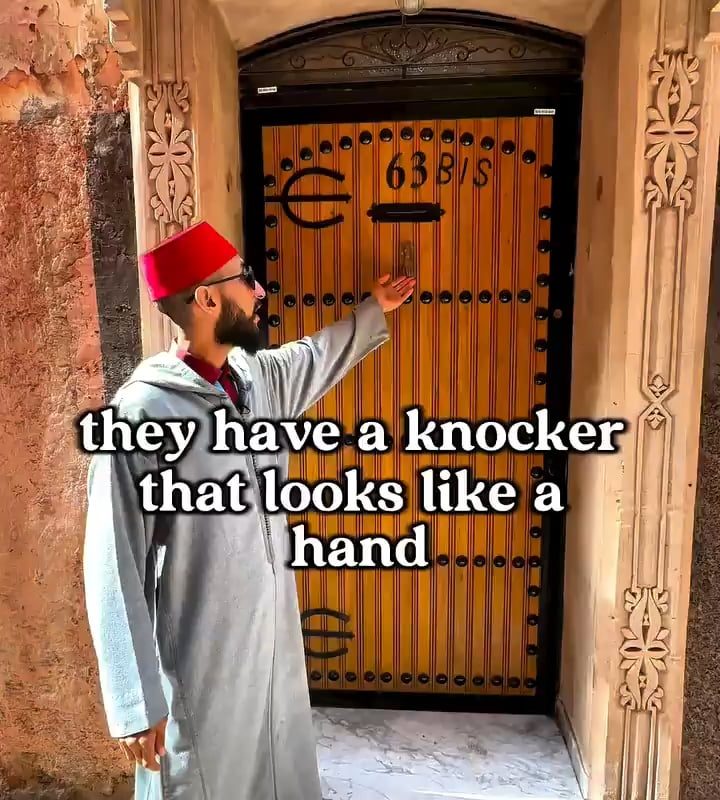
The secret symbolism behind the colors and heights of doors in the Marrakech Medina
Title: Unlocking the Mystique: The Hidden Symbolism Behind Marrakech Medina’s Colorful Doors
Meta Description: Discover the secret meanings behind the vibrant colors and varying heights of doors in Marrakech’s ancient Medina. Explore how history, culture, and spirituality shape Morocco’s iconic architecture.
The Secret Symbolism Behind the Colors and Heights of Doors in the Marrakech Medina
Marrakech’s Medina, a UNESCO World Heritage Site, is a labyrinth of narrow alleyways, bustling souks, and stunning architecture. Among its most captivating features are the ornate doors that guard riads, palaces, and humble homes alike. Beyond their aesthetic charm, these doors whisper stories of tradition, spirituality, and social status. Let’s decode the secret symbolism woven into their colors and heights—a language understood by locals but often missed by visitors.
The Meaning Behind Marrakech’s Door Colors
In Islamic culture and Moroccan tradition, colors are never arbitrary. They carry spiritual significance, evoke emotions, and reflect cultural identity. The doors of Marrakech are no exception:
1. Blue: Protection & Spiritual Serenity
- Symbolism: Shades of cobalt and sapphire—reminiscent of the famed Jardin Majorelle—are linked to spirituality and protection. Blue is believed to ward off the “evil eye” (ayn al-hasoud), a deeply rooted superstition in Moroccan folklore.
- Usage: Frequently seen on doors of mosques, madrasas, and important riads.
2. Green: Islam & Eternal Life
- Symbolism: Green symbolizes paradise, renewal, and the Prophet Muhammad’s cloak, making it sacred in Islamic culture. Doors painted green signify piety and divine blessings.
- Usage: Common in religious spaces, including zawiyas (shrines) and the homes of devout families.
3. Red & Terracotta: Earth, Vitality & Heritage
- Symbolism: Red echoes Marrakech’s nickname, the “Red City,” derived from its clay-rich earth. It embodies strength, passion, and the lifeblood of the land.
- Usage: Dominates residential doors, grounding structures in the natural environment.
4. Yellow & Gold: Prosperity & Royalty
- Symbolism: Yellow radiates warmth, wealth, and enlightenment. Historically, gold-leaf accents adorned palaces and elite homes to showcase status.
- Usage: Reserved for grand entrances or wealthy merchant houses.
Why Height Matters: Social Hierarchy & Practical Wisdom
The height of a door in the Medina isn’t just architectural—it’s a silent signal of social standing and pragmatic design:
1. Tall Doors: Prestige & Power
- Symbolism: Extravagantly tall doors typically belong to palaces, mosques, or historic riads owned by royal families or wealthy traders. Height implies authority and invites awe.
- Example: The 12th-century Bab Agnaou gate stands 8 meters tall, reflecting grandeur and defense.
2. Low Doors: Humility & Privacy
- Symbolism: Smaller doors signify humility in Islamic tradition. They force visitors to bow upon entering, a gesture of respect. Low doors also deter prying eyes, protecting family privacy.
- Practicality: In crowded alleys, compact doors maximize space and reduce heat entry.
3. Asymmetrical Designs: Harmony in Imperfection
- Symbolism: Many Medina doors feature uneven shapes or irregular heights, echoing the Islamic principle that only Allah creates perfection. This “intentional flaw” honors divine supremacy.
The Magic of Materials & Decorative Details
Beyond color and height, door elements like brass knockers, geometric patterns, and carvings deepen the symbolism:
- Cedar Wood: Known for durability and fragrance, it repels insects—a practical luxury.
- Star Motifs: Eight-pointed stars symbolize unity and the infinite divine.
- Hand of Fatima: A common metal knocker (Khamsa) to protect against harm.
Historical Context: Doors as Cultural Narratives
Marrakech’s doors blend Berber, Arab, Andalusian, and French colonial influences. While Islamic art avoids human imagery, floral arabesques and calligraphy honor nature and Qur’anic verses. Under the Almoravid dynasty (11th century), doors became canvases for storytelling—a tradition preserved today.
How to “Read” Marrakech Doors as a Traveler
Next time you wander the Medina, look closely:
- Color Clues: Note blue doors near spiritual sites; green in sacred spaces.
- Height Hierarchy: Tall doors mark historic importance; modest ones guard private homes.
- Seek Stories: Ask locals about unusual designs—each door holds a unique tale.
Final Thoughts: Portals to Moroccan Soul
The doors of Marrakech’s Medina are far more than entrances—they’re visual poetry, blending faith, history, and artistry. By decoding their colors and heights, travelers gain a deeper appreciation for Morocco’s rich cultural tapestry. So slow down, look up, and let these ancient portals guide you into the heart of Marrakech’s soul.
Keywords for SEO:
Marrakech Medina doors, symbolism of Moroccan doors, Marrakesh architecture secrets, meaning of door colors in Morocco, Islamic door symbolism, Marrakech cultural heritage, Medina door height significance, Moroccan riad doors, spiritual meaning of blue doors, Marrakech travel guide.
Want to explore Marrakech’s hidden gems? Book a guided tour to uncover more Medina mysteries!