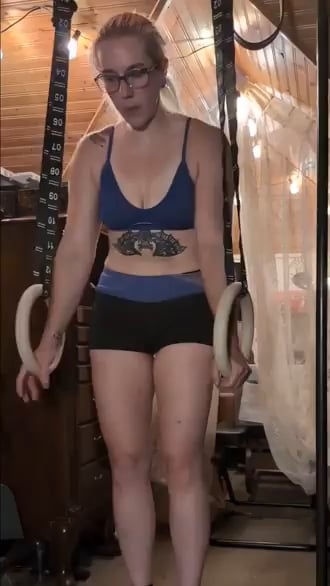
Rings Tuck Planche Attempt
Master the Rings Tuck Planche: A Step-by-Step Guide to Building Foundational Strength
The Rings Tuck Planche is a formidable calisthenics skill that combines raw strength, balance, and body control. As an entry point to the full planche progression, it demands mastery of tension, shoulder engagement, and core stability—all while navigating the instability of gymnastic rings. Whether you’re a rings enthusiast or a calisthenics athlete aiming to level up, this guide breaks down how to attempt the Rings Tuck Planche safely, build strength effectively, and avoid common pitfalls.
What Is a Rings Tuck Planche?
A Rings Tuck Planche involves holding your body parallel to the ground in a tucked position, supported solely by straight arms on gymnastic rings. Unlike static bar work, rings amplify the challenge due to their instability, requiring intense shoulder, wrist, and core engagement to prevent swaying or collapsing.
Key muscles targeted:
- Shoulders (anterior deltoids): Primary drivers of the lean.
- Core: Stabilizes the tucked position.
- Chest and triceps: Assist in maintaining arm rigidity.
- Upper back: Counters shoulder protraction.
Prerequisites for a Rings Tuck Planche Attempt
Before attempting this move, build foundational strength with these drills:
- Rings Support Hold: Hold a straight-arm support on rings for 30+ seconds.
- Tuck Planche on Floor: Master a 10-15s hold on stable ground.
- Rings Lean: Practice leaning forward in a support position to mimic planche tension.
- Pseudo Planche Push-ups: Builds pressing strength and shoulder conditioning.
Pro Tip: If you’re new to ring training, prioritize 2–3 months of stability work to avoid injury.
How to Perform a Rings Tuck Planche: Step-by-Step
- Set Up the Rings: Adjust straps to hip height. Secure grip with false grip (thumbs over rings) or standard grip.
- Start in Support Position: Push through the rings to straight arms. Engage shoulders actively (avoid shrugging).
- Lean Forward: Slowly shift your weight forward while keeping arms straight, leaning until your shoulders move past your wrists.
- Tuck Your Knees: Pull your knees toward your chest, squeezing your core to maintain a hollow body position.
- Hold and Breathe: Aim for 3–5 seconds initially. Focus on pushing the rings down and away to engage lats and chest.
Common Mistakes & Fixes
- Flaring Elbows: Keep elbows slightly bent if locked out causes pain, but aim for straight arms as you progress.
- Collapsing Shoulders: Drive shoulders down and back (“anti-shrug”) to protect rotator cuffs.
- Loose Core: Practice hollow body holds on the floor to reinforce tension.
- Kicking Up: Momentum won’t build strength. Use slow, controlled leans.
Progressions to Unlock the Rings Tuck Planche
- Elevated Tuck Planche: Perform on paralettes or parallettes to simulate ring height.
- Band-Assisted Hold: Use a resistance band looped under your hips for support.
- Negative Reps: From tuck position, slowly lower to an L-sit or support hold.
- Static Hold Accumulation: Increase hold time by 1-second weekly until you hit 10+ seconds.
Benefits of Training the Rings Tuck Planche
- Shoulder Resilience: Enhances scapular control and joint stability.
- Core Power: Develops full-body tension required for advanced moves like the Iron Cross.
- Functional Strength: Translates to better performance in handstands, muscle-ups, and levers.
Safety Tips for Ring Training
- Warm up wrists, shoulders, and scapulae with dynamic stretches.
- Avoid training to failure on unstable equipment—risk of injury spikes sharply.
- If shoulders ache, regress to floor planches or ring leans.
Sample Rings Tuck Planche Workout
- Warm-up:
- Wrist circles + scapular push-ups (2×20 reps).
- Ring support holds (3x20s).
- Skill Work:
- Band-assisted tuck planche holds (4×5–8s).
- Strength Drills:
- Ring pseudo planche push-ups (3×8 reps).
- Foot-assisted tuck planche negatives (3×5 reps).
- Cooldown:
- Band pull-aparts (2×15) + child’s pose stretch.
Rings Tuck Planche FAQs
Q: How long does it take to learn the Rings Tuck Planche?
A: 3–12 months, depending on baseline strength and consistency.
Q: Can I train this daily?
A: No. Train 2–3x/week with rest days for recovery.
Q: Rings vs. Parallettes: Which is better for planche progression?
A: Parallettes are easier for beginners. Rings build “real-world” stability but require patience.
Final Thoughts
The Rings Tuck Planche is a gateway to elite bodyweight mastery—but respect the process. Invest in shoulder prehab, prioritize form over ego, and celebrate small wins. With disciplined training, this gravity-defying hold will unlock doors to more advanced skills like the straddle planche, front lever, and beyond. Stay consistent, and the rings will reward you.
Boost Your Training: Bookmark this guide, film your attempts to track progress, and pair your planche work with mobility drills like German hangs for bulletproof shoulders. The journey is grueling, but the view from the top is worth it.
Meta description: Master the Rings Tuck Planche with this step-by-step guide. Learn progressions, form tips, and workouts to build strength on gymnastic rings and crush calisthenics goals.