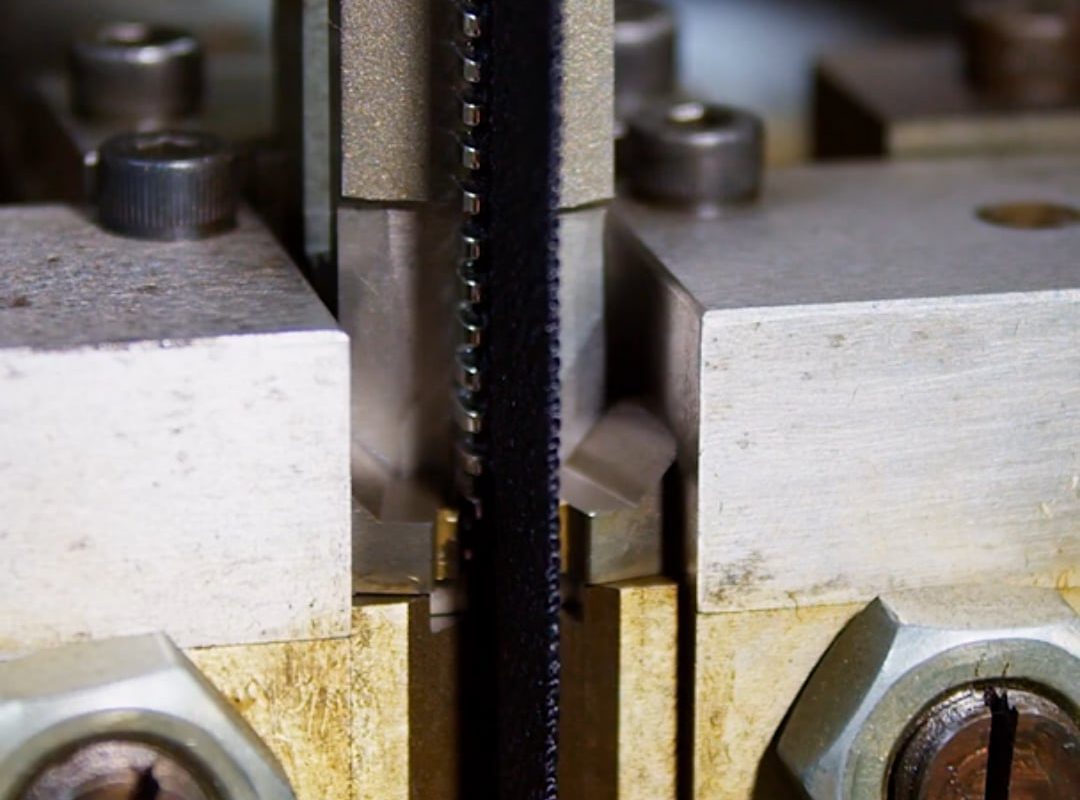
How zippers are produced using machines!
Title: The Precision Engineering Behind Zipper Production: How Machines Craft the Fasteners of Daily Life
Meta Description: Discover how zippers are mass-produced with cutting-edge machinery, step by step. Learn about the materials, automation, and intricate processes that create these everyday essentials.
Introduction
From jackets to backpacks, luggage to upholstery, zippers are ubiquitous in modern life. But few people stop to consider how these tiny, functional marvels are made. Behind every smooth zip lies a highly automated manufacturing process driven by advanced machinery. This article dives into the fascinating world of zipper production, revealing how precision engineering transforms raw materials into reliable fasteners at industrial scale.
1. The Anatomy of a Zipper
Before exploring production, let’s break down a zipper’s basic components:
- Tape: The fabric strips attached to the teeth.
- Teeth/Elements: Interlocking metal or plastic parts.
- Slider: The movable piece that opens/closes the teeth.
also - Stops: Top and bottom ends that prevent the slider from detaching.
Each part undergoes specialized manufacturing processes, often in separate facilities, before final assembly.
2. Raw Materials: From Polymers to Metal Alloys
Zippers are crafted from materials depending on their application:
- Plastic (Nylon/Polyester): Lightweight, flexible; ideal for clothing.
- Metal (Brass, Aluminum, Nickel): Durable; used in jeans or luggage.
- Coil Zippers: Molded plastic spiral teeth for versatility.
Raw materials are fed into machines as pellets, wires, or fabric rolls, ready for transformation.
3. Machine-Driven Production: A Step-by-Step Breakdown
A. Creating the Teeth/Elements
Metal Zippers:
- Stamping/Wire Forming: Metal wire is fed into a press, where dies cut and shape teeth at ultra-high speeds.
- Polishing & Plating: Teeth undergo buffing and electroplating for corrosion resistance (e.g., brass-coated zippers).
Plastic Zippers (Injection Molding):
- Molten polymer is injected into tooth-shaped molds via CNC machines.
- Cooling units solidify the teeth, which are then ejected automatically.
Coil Zippers:
- Plastic yarn is wound into continuous spirals by coiling machines, then heat-set to retain shape.
B. Manufacturing the Tape
- Fabric (polyester, cotton, or blended) is cut into strips.
- Edges are heat-sealed or coated with resin to prevent fraying.
C. Attaching Teeth to Tape
- For Metal Zippers: Teeth are clamped onto the tape’s edge using high-speed crimping machines.
- For Plastic & Coil Zippers: Teeth are ultrasonically welded or stitched to the tape.
D. Slider Production
- Sliders are cast from zinc alloy or molded plastic.
- Miniature springs and locking mechanisms are robotically inserted for auto-lock sliders.
E. Assembly: Bringing It All Together
- A zipper chain machine aligns and joins the two tape strips with interlocked teeth.
- Stops & Top Tape Ends: Molded plastic stops are heat-sealed to the zipper ends.
- Slider Attachment: Robots slide the slider onto the chain and test its functionality.
4. Quality Control: Precision Meets Perfection
At each production stage, machines ensure consistency:
- Tension Testing: Machines pull zippers to verify strength.
- Slider Functionality: Automated testers rapidly open/close zippers thousands of times.
- Visual Inspections: AI-powered cameras detect microscopic defects in teeth alignment.
Defective units are discarded or recycled, ensuring only flawless zippers reach consumers.
5. Automation & Innovation in Zipper Manufacturing
Modern factories rely on servo-driven machines, robotics, and IoT-enabled systems to:
- Boost speed (producing 100+ zippers per minute).
- Reduce material waste.
- Enable customization (e.g., colored zippers, waterproof coatings).
Robotic arms handle delicate tasks like slider insertion, while ERP software tracks orders from design to shipping.
6. Applications: Beyond Fashion
Machine-made zippers meet diverse industry needs:
- Apparel: Invisible zippers for dresses, heavy-duty variants for outerwear.
- Automotive: Heat-resistant zippers for convertible roofs.
- Medical: Sterilizable zippers for protective gear.
- Space/Aerospace: Lightweight, high-strength zippers for suits and equipment.
Conclusion: The Unsung Heroes of Manufacturing
Zippers may seem simple, but their production is a symphony of engineering, automation, and quality control. Machines enable the precision and speed required to produce billions yearly, turning polymers and metals into trusted fasteners that hold our world together—one zip at a time.
Next time you fasten a jacket, remember: it’s not just a zipper—it’s a masterpiece of mechanized manufacturing.
Keywords for SEO: zipper manufacturing process, how zippers are made, automated zipper machines, zipper production steps, zipper teeth production, industrial zipper making, zipper manufacturing equipment, zipper slider assembly.