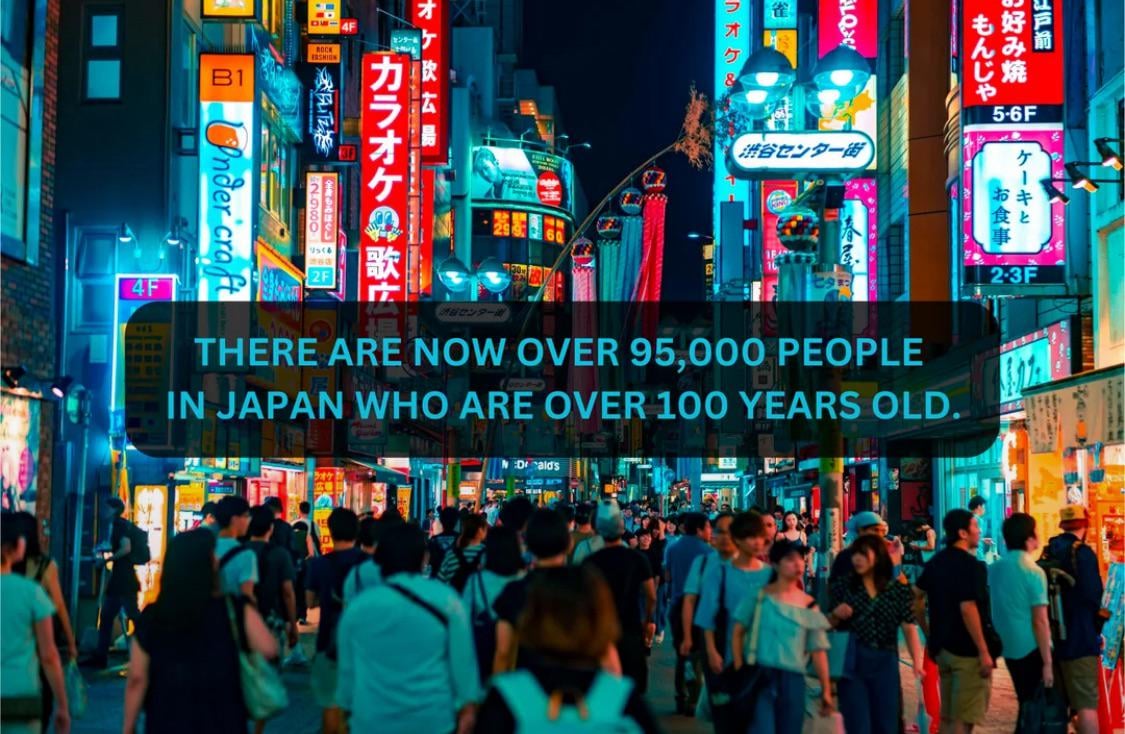
Japan has the world’s largest population of citizens aged 100 and over surpassing 95,000 in recent years, making it a global leader in longevity.
Title: Japan’s Centenarian Revolution: How the World’s Longest-Lived Population Surpasses 95,000
Meta Description: Discover why Japan leads the globe in longevity, with over 95,000 citizens aged 100 and older. Explore the secrets behind the nation’s aging success story.
Introduction
Japan, a nation renowned for blending ancient traditions with cutting-edge innovation, has achieved another remarkable feat: it is home to the world’s largest population of centenarians. Recent data reveals that over 95,000 Japanese citizens are aged 100 or older, solidifying Japan’s status as a global leader in longevity. This article delves into the factors driving this phenomenon, the societal implications, and the lessons the world can learn from Japan’s aging success story.
The Numbers Behind Japan’s Centenarian Boom
Japan’s Ministry of Health, Labour, and Welfare reports that the number of citizens aged 100+ has surged over sixfold since the early 2000s, reaching a record-breaking 95,000+ in 2023. Women comprise nearly 90% of this group, reflecting broader global trends in female longevity. Okinawa, often dubbed the “Blue Zone” of Japan, remains a standout region with one of the highest concentrations of centenarians globally.
This growth isn’t slowing down. Japan’s National Institute of Population and Social Security Research projects that by 2050, the centenarian population could exceed 500,000, reshaping healthcare, workforce policies, and cultural norms in the process.
Why Does Japan Lead in Longevity?
Several interconnected factors explain why Japanese citizens live longer, healthier lives than almost anyone else on Earth:
1. The Traditional Japanese Diet: Fuel for Long Life
- Low in Fat, High in Nutrients: Staples like fish, seaweed, tofu, fermented foods (e.g., miso, natto), and green tea provide antioxidants, omega-3s, and probiotics.
- Portion Control & Moderation: Meals are balanced and visually curated, reducing overconsumption.
- Okinawan Wisdom: The phrase “Hara hachi bu” (eating until 80% full) promotes mindful eating and calorie restriction linked to longevity.
2. Universal Healthcare & Preventive Medicine
Japan’s affordable healthcare system prioritizes early intervention, with free annual check-ups for citizens over 40. Preventive care targets lifestyle diseases like hypertension and diabetes, ensuring seniors stay active longer.
3. Active Lifestyles & Social Integration
- Lifelong Work: Many Japanese seniors continue part-time work or volunteer, maintaining physical and mental sharpness.
- Community Bonds: Strong intergenerational ties and neighborhood support systems (“machizukuri”) combat isolation.
- Exercise Culture: Morning radio calisthenics (rajio taiso) and walking groups keep elders mobile.
4. Cultural Attitudes Toward Aging
Concepts like “ikigai” (life purpose) and “moai” (social support networks) instill resilience and joy in later life. Elders are respected as family pillars and community advisors, fostering mental well-being.
Challenges of a Super-Aged Society
While Japan’s longevity is admirable, it presents complex challenges:
- Economic Strain: Pension systems and healthcare infrastructure face pressure as the working-age population shrinks.
- Rural Depopulation: Younger generations migrate to cities, leaving elders in countryside towns with limited care access.
- Dementia Care: Rising dementia cases demand innovative solutions, from AI monitoring to dementia-friendly communities.
Government Initiatives:
Japan responds with policies like:
- Raising the retirement age to 65+ (soon 70).
- Robotics and AI to assist caregiving (e.g., Panasonic’s robotic beds).
- “Silver Talent Centers” connecting seniors with part-time roles.
Global Lessons from Japan’s Longevity Success
Countries worldwide can adopt Japan’s strategies to build aging-ready societies:
- Prioritize Preventive Healthcare: Invest in regular screenings and nutrition education.
- Redesign Urban Spaces: Create walkable cities, accessible transit, and senior-friendly housing.
- Combat Loneliness: Promote community engagement programs for elders.
- Celebrate Aging: Shift cultural narratives to value seniors’ wisdom and contributions.
Conclusion
Japan’s 95,000+ centenarians are not just a demographic statistic—they’re a testament to decades of holistic health practices, robust social systems, and cultural reverence for aging. As nations grapple with aging populations, Japan offers invaluable insights into fostering longevity with dignity. By learning from its strengths and challenges, we can all build societies where living to 100 is not just possible, but fulfilling.
Keywords for SEO:
Japan longevity, centenarians in Japan, aging population Japan, Japanese diet secrets, healthy aging, super-aged society, ikigai, Okinawa Blue Zone, elderly care Japan, world’s oldest population.
URL Suggestion:
/japan-centenarian-population-longevity-secrets
By combining cutting-edge data with cultural insights, this article positions Japan as a blueprint for global longevity—perfect for readers seeking health, policy, or demographic trends.