Master of Mimicry
Title: Master of Mimicry: Nature’s Ultimate Imposters and Their Survival Secrets
Meta Description: Discover nature’s masters of mimicry—animals, insects, and even plants that flawlessly imitate their surroundings or other species to survive. Dive into the science behind these evolutionary marvels!
Introduction: The Art of Deception in Nature
In the wild, survival often hinges on the ability to hide in plain sight. Meet nature’s “masters of mimicry”—ingenious organisms that have perfected the art of disguise. From blending into foliage to impersonating deadly predators, these creatures use mimicry not as a trick but as a life-saving strategy. This article explores the fascinating world of mimicry, revealing how evolution has shaped some of Earth’s most cunning imposters.
What Is Mimicry? The Science Behind the Superpower
Mimicry is a biological phenomenon where one species evolves to resemble another organism, object, or environment. This adaptation serves two primary purposes:
- Avoiding Predators: By looking like something inedible or dangerous.
- Ambushing Prey: By disguising themselves to strike unsuspecting victims.
Three key types dominate the natural world:
- Batesian Mimicry: Harmless species mimic toxic ones (e.g., non-venomous snakes imitating coral snakes).
- Müllerian Mimicry: Multiple harmful species evolve similar warning signs (e.g., bees and wasps sporting yellow-black stripes).
- Aggressive Mimicry: Predators or parasites mimic harmless entities to lure prey (e.g., anglerfish using a “fishing lure”).
Nature’s Top 5 Masters of Mimicry
1. The Octopus: Shape-Shifting Sea Sorcerer
Octopuses are the ultimate mimic artists of the ocean. Using specialized skin cells called chromatophores, they can change color, texture, and shape in milliseconds. The mimic octopus takes this further by impersonating sea snakes, lionfish, and even rocks to evade enemies.
Keyword Tip: “Octopus camouflage techniques”
2. Stick Insects: The Invisible Twig
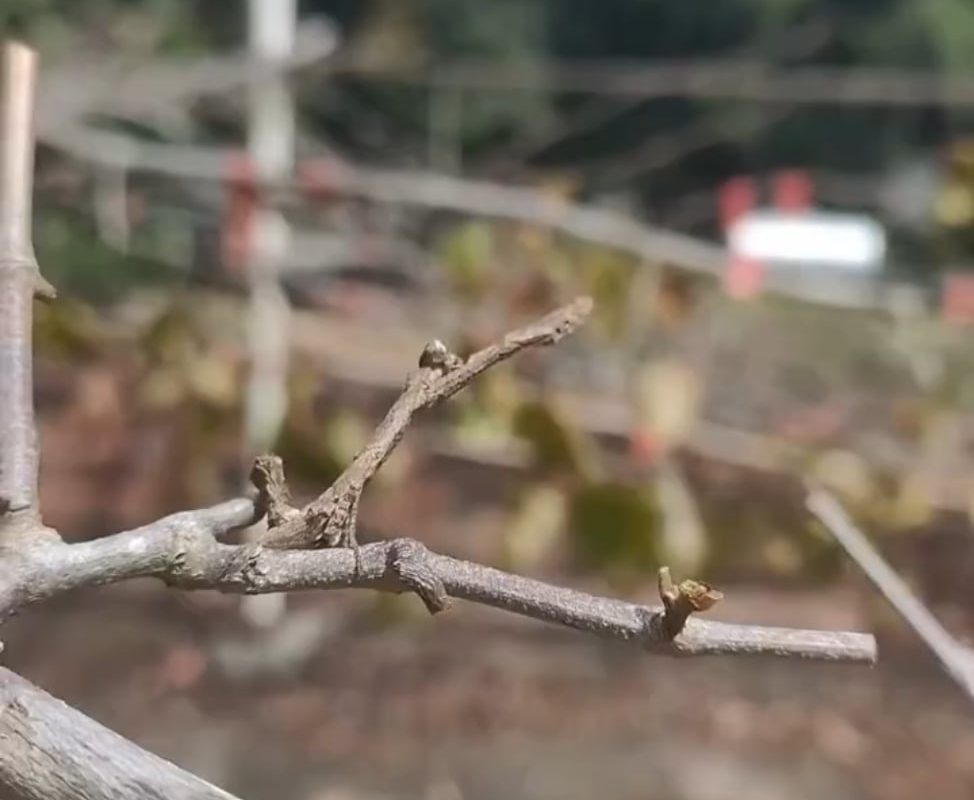
Phasmids, or stick insects, are champions of crypsis (blending into backgrounds). Their bodies mimic twigs, leaves, or bark so convincingly that predators—and humans—often overlook them. Some even rock back and forth to imitate branches swaying in the wind.
Wild Fact: The Lord Howe Island stick insect was thought extinct for 80 years before being rediscovered in 2001, thanks to its mimicry skills.
3. Orchid Mantis: A Flower in Disguise
The orchid mantis (Hymenopus coronatus) doesn’t just hide among flowers—it becomes one. This Southeast Asian predator mimics orchid petals with its pastel-colored body, luring pollinators close enough to snatch them mid-air.
Why It’s Genius: Studies show it attracts more prey than actual flowers!
4. Viceroy Butterfly: The Monarch’s Doppelgänger
The viceroy butterfly (Limenitis archippus) famously engages in Batesian mimicry, mirroring the appearance of the toxic monarch butterfly. Birds avoid both, proving that perception is everything in survival.
5. Leaf-Tailed Gecko: A Living Dead Leaf
Native to Madagascar, leaf-tailed geckos (Uroplatus spp.) boast flattened bodies, jagged edges, and coloration identical to tree bark or dead leaves. By day, they press motionless against trees; by night, they hunt—perfectly invisible.
Beyond Animals: Plants and Fungi That Mimic
Mimicry isn’t exclusive to fauna!
- The Boquila Vine: This Chilean plant mimics the leaves of nearby trees to avoid herbivores.
- The Deadly Destroying Angel: A toxic mushroom that resembles edible varieties, tricking foragers.
Why Mimicry Matters: Evolution’s Game of Innovation
Mimicry offers profound insights into evolution. It demonstrates how species:
- Adapt under predator-prey pressure.
- Use deception as a tool (no malice required).
- Balance ecosystems by regulating populations.
In a changing climate, mimicry may also determine which species survive habitat shifts.
Human Applications: Learning from Nature’s Masters
Mimicry inspires breakthroughs in:
- Military Tech: Camouflage materials based on octopus skin.
- Medicine: Anti-counterfeiting labels mimicking butterfly wings.
- Robotics: Soft robots that change texture for search-and-rescue missions.
FAQs: Quick Facts About Mimicry
Q: Can mimicry fail?
A: Yes! If mimics outnumber the toxic species they copy (e.g., too many viceroys), predators learn the deception.
Q: Are humans good mimics?
A: We excel socially (e.g., mirroring body language), but biologically, we rely on tech for invisibility!
Conclusion: The Never-Ending Arms Race
Masters of mimicry remind us that nature is both brutal and beautiful—a stage where appearance means survival. By studying these imposters, we uncover Earth’s creativity and our own potential to innovate. Next time you’re outdoors, look closely: that “twig” or “flower” might just be watching you.
Call to Action:
Share your favorite mimicry example in the comments! For more wildlife wonders, explore our Nature’s Marvels series.
Keywords for SEO:
Master of mimicry, animal camouflage, mimic octopus, Batesian mimicry, nature’s imposters, orchid mantis, stick insect, leaf-tailed gecko, evolutionary adaptations, survival tactics in nature.
Internal Links (Placeholder Suggestions):
Optimize your site by interlinking related content and embedding high-quality images of these mimics in action!