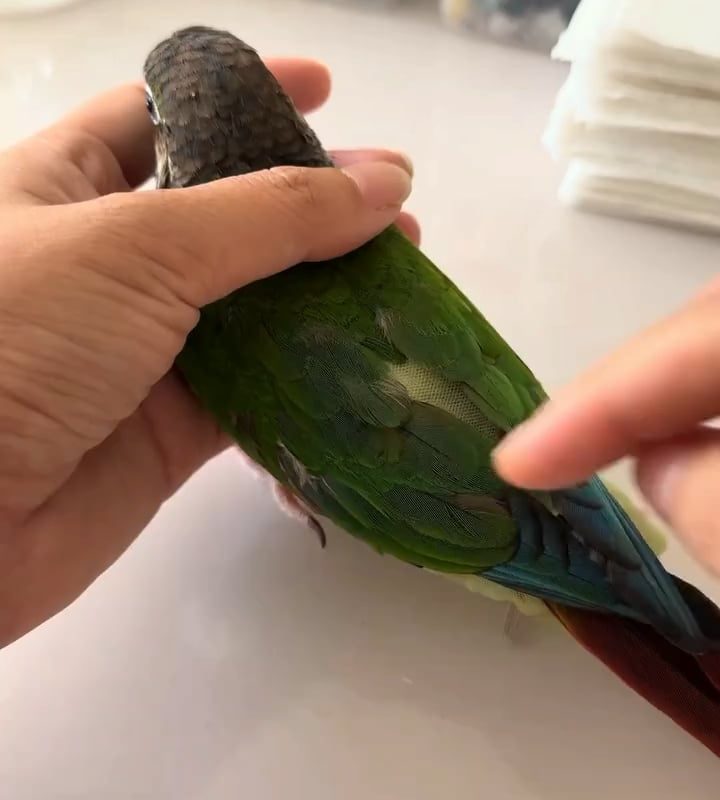
Parrot’s diaper changing
The Complete Guide to Parrot Diaper Changing: Benefits, Risks & Step-by-Step Tips
For parrot owners looking to minimize messes indoors while still enjoying their feathered companion’s company, parrot diapers (also called bird diapers or flight suits) can seem like a magical solution. But are they safe? How do you use them effectively? In this comprehensive guide, we’ll dive into everything you need to know about diaper changing for parrots—from practicality to health considerations—to help you make an informed decision.
What Are Parrot Diapers?
Parrot diapers are soft, reusable garments designed to catch droppings. They wrap gently around the bird’s body, using an absorbent liner (often removable) to collect waste. Unlike baby diapers, parrot diapers allow the tail and wings to remain free, and most birds can still move, play, and even fly short distances while wearing them. They come in various sizes and designs to suit species ranging from cockatiels to macaws.
Why Consider Diapers for Your Parrot?
- Reduced Mess: Ideal for birds that spend time on furniture, shoulders, or in public spaces (e.g., cafes).
- Indoor Freedom: Lets your parrot roam outside the cage without constant cleanup.
- Travel & Socialization: Helpful for outings, vet visits, or gatherings where hygiene is a priority.
The Pros and Cons of Parrot Diapers
✅ Benefits
- Less Cleaning Stress: Fewer droppings mean less time scrching carpets or furniture.
- Bonding Opportunities: Extended playtime outside the cage strengthens trust.
- Customizable Fit: Adjustable straps prevent chafing if sized correctly.
❌ Risks & Challenges
- Skin Irritation: Poorly fitted diapers or infrequent changes can cause rashes or infections.
- Stress for the Bird: Some parrots resist wearing diapers, leading to anxiety or plucking.
- False Sense of Security: Diapers aren’t foolproof; leaks or blowouts can still happen.
Important Note: Diapers are never a substitute for cage-free time or proper potty training. Over-reliance can lead to health issues like cloacal infections.
How to Change a Parrot Diaper Safely
Step 1: Choose the Right Diaper
- Material: Opt for breathable, non-toxic fabrics (cotton or hemp blends). Avoid Velcro if your bird tends to chew.
- Size: Measure your bird’s chest girth and weight. An ill-fitting diaper will cause discomfort.
Step 2: Introduce the Diaper Gradually
- Start with short sessions (5–10 minutes) paired with treats and praise.
- Watch for signs of stress: panting, biting, or freezing.
*Step 3: Changing the Liner**
- Frequency: Change the liner every 1–2 hours for small birds and every 2–4 hours for larger parrots.
- Hygiene: Wash hands before handling, and use gentle, unscented wipes to clean the bird’s vent area if soiled.
- Inspect: Check for redness or irritation during changes.
Step 4: Cleaning & Maintenance
- Machine-wash reusable liners in hypoallergenic detergent.
- Air-dry completely to avoid bacterial growth.
Health & Safety Tips
- Never leave a diapered parrot unattended. Chewing the diaper or ingesting fabric could cause blockages.
- Don’t use overnight. Birds need unrestricted movement while sleeping.
- Daily “Diaper-Free” Time: Allow your parrot at least 4–6 hours without the diaper to preen and stretch.
Alternatives to Diapers
If your parrot hates diapers, try these solutions:
- Potty Training: Teach your bird to go on command using a designated perch or tray.
- Play Stands with Guards: Use a T-stand with a removable catchment tray.
- Harness Training: A flight harness may be better tolerated for outings.
Final Thoughts
Parrot diapers can be a useful tool for responsible owners, but they require diligence. Prioritize your bird’s comfort: monitor behavior, fit, and hygiene closely. If your parrot seems stressed, discontinue use. Consult an avian vet before adopting diapers full-time, especially for birds with existing health issues. With patience and care, they can help balance cleanliness and companionship!
Keywords for SEO: parrot diaper changing, bird diaper benefits, how to diaper a parrot, parrot hygiene, avian diaper safety, reusable bird diapers, potty training parrots