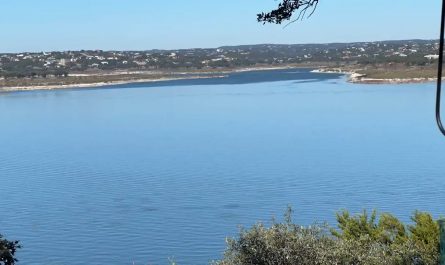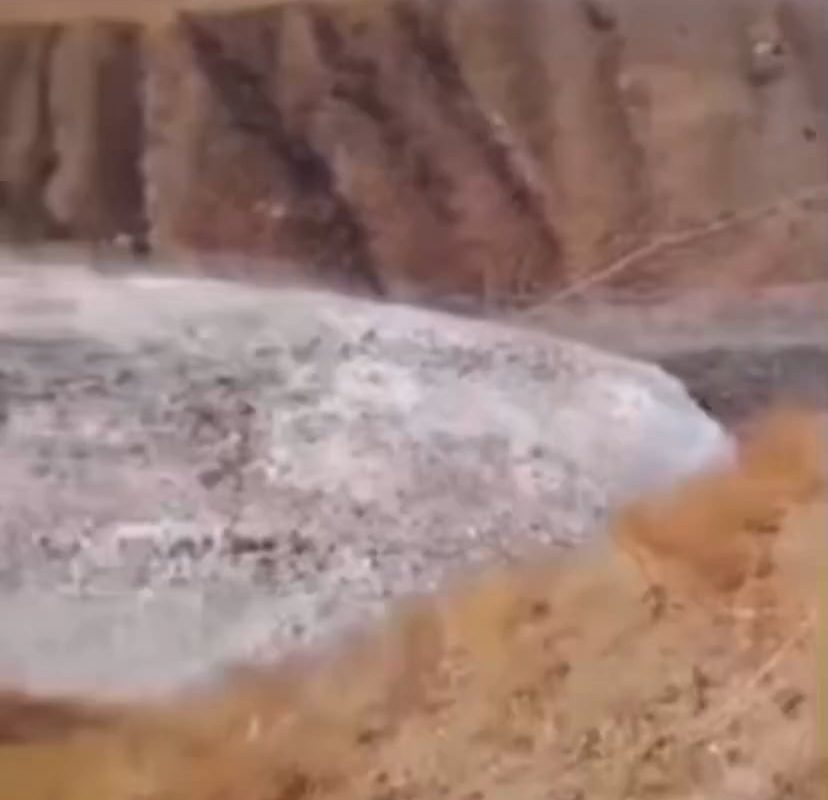
On Thursday, an approximately 2-kilometer-long, 25-meter-high, and up to 200-meter-wide section of the Ismoil Somoni Glacier in Tajikistan broke off near Safedobi village, sliding down a gorge. Climate change is driving rising temperatures in Tajikistan, which are double the global average.
Title: Ismoil Somoni Glacier Collapse: A Stark Climate Warning as Tajikistan’s Temperatures Soar
Meta Description: A catastrophic 2-km section of Tajikistan’s Ismoil Somoni Glacier broke off near Safedobi village, underscoring the dire impact of climate change in Central Asia. Learn why temperatures here are rising twice as fast as the global average.
Tajikistan’s Ismoil Somoni Glacier Collapse: A Climate Disaster Unfolds
On Thursday, a staggering section of Tajikistan’s Ismoil Somoni Glacier—measuring 2 kilometers long, 25 meters high, and 200 meters wide—detached near Safedobi village, plummeting down a mountain gorge. This catastrophic event highlights the accelerating impact of climate change in Central Asia, where Tajikistan’s temperatures are rising at double the global average, threatening communities and ecosystems alike.
The Event: A Glacier in Freefall
The rupture occurred abruptly in the rugged Pamir Mountains, sending ice, rock, and debris cascading into the valley below. Safedobi residents reported thunderous sounds as the glacier slid downhill, though no casualties were confirmed. Scientists attribute the collapse to prolonged glacial weakening caused by rising temperatures, which destabilized the ice mass over time.
Key Details:
- Location: Near Safedobi village, Gorno-Badakhshan region.
- Size of Collapsed Section: 2 km long, 200 m wide, 25 m high.
- Immediate Impact: Potential flooding risks as meltwater surges downstream.
Why Tajikistan’s Glaciers Are Melting at Record Speed
Tajikistan, home to over 13,000 glaciers, is a frontline victim of climate change. Average temperatures here have risen by 2°C since the mid-20th century—twice the global rate—according to the World Bank. These glaciers, which supply 60% of Central Asia’s water, are retreating rapidly, jeopardizing the region’s water security.
Drivers of Collapse:
- Temperature Surges: Summer heatwaves have intensified glacial melt.
- Reduced Snowfall: Warmer winters disrupt snow accumulation, weakening glacier stability.
- Permafrost Thaw: Rising temperatures destabilize mountain slopes, triggering landslides.
The Climate Change Connection
The Ismoil Somoni collapse isn’t an isolated incident. Central Asia’s glaciers have lost 30% of their volume since the 1990s, with Tajikistan’s iconic Fedchenko Glacier also shrinking yearly. As global emissions climb, the High Mountain Asia region—which includes the Pamirs—faces a future of chronic water shortages and natural disasters.
Regional Implications:
- Water Crisis: The Amu Darya and Syr Darya rivers, fed by Tajik glaciers, supply agriculture for 75 million people.
- Flood Risks: Sudden glacial ruptures or lake outbursts could devastate downstream villages.
A Call for Global Action
Tajikistan’s government has long warned of climate-induced disasters, advocating for international aid to build resilience. But with global temperatures on pace to exceed the Paris Agreement’s 1.5°C limit, experts urge drastic emission cuts to save the region’s “water towers.”
What’s Next?
- Monitoring: Satellite tech and ground sensors are critical to predict future collapses.
- Adaptation: Investing in early-warning systems and climate-smart infrastructure.
Conclusion: A Continent on Thin Ice
The collapse of the Ismoil Somoni Glacier is a visceral symbol of climate change’s unequal toll. As Tajikistan grapples with a warming rate that outpaces the planet, this disaster underscores the urgent need for global cooperation to curb emissions and protect vulnerable nations. With glaciers vanishing faster than predicted, the time to act is melting away.
Keywords for SEO: Tajikistan glacier collapse, Ismoil Somoni Glacier, Safedobi village, climate change Tajikistan, Central Asia water crisis, glacial retreat, Pamir Mountains, climate disasters, temperature rise double global average.
Internal Links to Consider:
- [The State of Central Asia’s Glaciers]()
- [How Climate Change Threatens Tajikistan’s Water Security]()
- [Global Initiatives to Save Mountain Glaciers]()
Stay informed about climate impacts in vulnerable regions. Share this article to spread awareness.