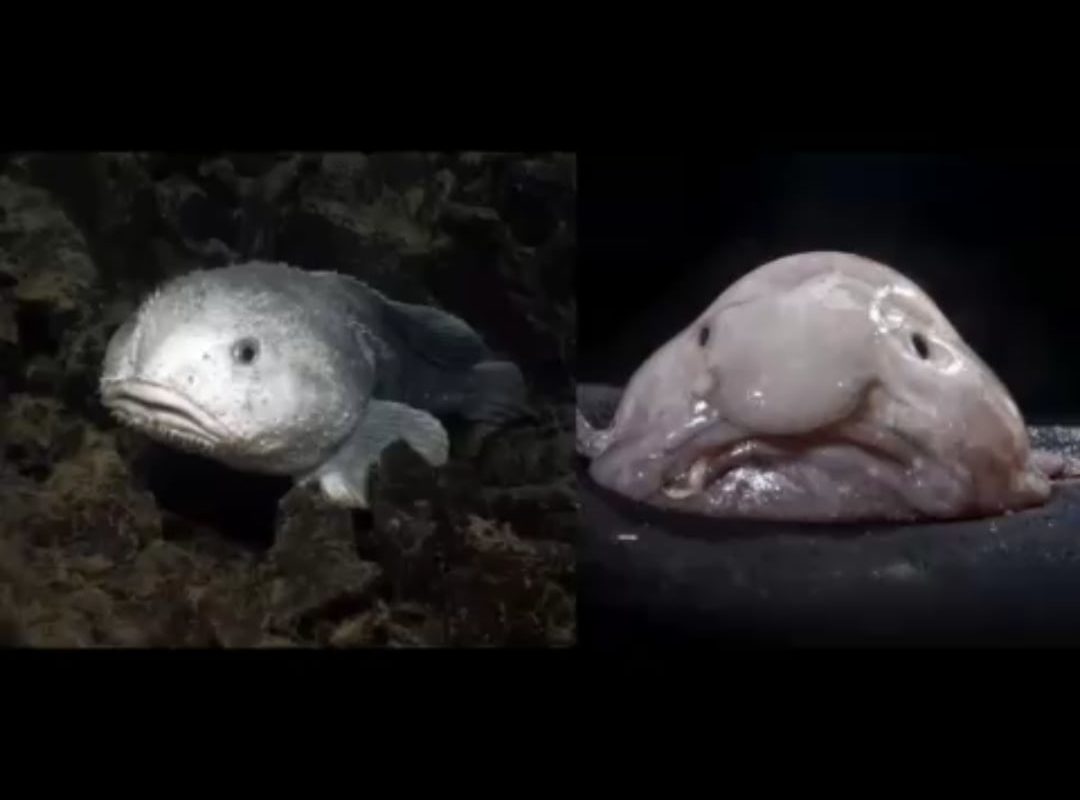
The blobfish from the deep ocean’s Midnight Zone
Title: The Blobfish: Unveiling the Mysteries of the Deep Ocean’s Midnight Zone Icon
Introduction
The blobfish (Psychrolutes marcidus) has captured global attention as the “world’s ugliest animal,” but this deep-sea dweller is far more fascinating than its meme-worthy appearance suggests. Residing in the crushing depths of the ocean’s Midnight Zone, this gelatinous fish survives in one of Earth’s most extreme environments. In this article, we dive into the science, adaptations, and misunderstood beauty of the blobfish, shedding light on why it’s a vital symbol of deep-ocean conservation.
What Is the Midnight Zone?
The Midnight Zone (or Aphotic Zone) extends from 1,000 to 4,000 meters below the ocean’s surface. Here, sunlight vanishes completely, temperatures hover near freezing, and pressures reach up to 5,800 PSI—equivalent to an elephant standing on your thumb. Food is scarce, with most sustenance drifting down as “marine snow” (decaying organic matter). Few creatures survive here, making the blobfish’s existence a marvel of evolution.
Meet the Blobfish: Survival at Extreme Depths
The blobfish thrives at depths of 600–1,200 meters off the coasts of Australia, Tasmania, and New Zealand. Its bizarre appearance—a saggy, pinkish lump with a droopy “face”—is a direct result of its unique adaptations:
- Gelatinous Body: Without bones or muscles, its jelly-like flesh withstands crushing pressure.
- Buoyancy Control: Its density is slightly below water, allowing it to float effortlessly above the seafloor.
- Energy Efficiency: As a passive predator, it waits for crustaceans and sea snails to drift into its mouth.
Fun Fact: The blobfish’s infamous “ugliness” only appears at the surface! Under deep-sea pressure, it resembles a typical fish.
Debunking Myths: Why the Blobfish Isn’t “Ugly”
The blobfish’s tragic transformation happens when rapid depressurization during deep-sea trawling damages its structure. In its natural habitat, it looks unremarkable—proving how human interference distorts our perception of deep-sea life. This misconception highlights the importance of studying creatures in their environment before judgment.
Threats to the Blobfish and Its Habitat
While not currently classified as endangered, the blobfish faces growing risks:
- Deep-Sea Trawling: Bottom-dragging nets destroy seafloor ecosystems and accidentally trap blobfish.
- Habitat Destruction: Mining and climate change threaten the fragile Midnight Zone.
- Data Deficiency: Limited research hampers conservation efforts, though the IUCN lists it as “Vulnerable.”
Why the Blobfish Matters
Beyond its viral fame, the blobfish serves as an ecological indicator:
- Its health reflects the stability of deep-sea food webs.
- It underscores the vulnerability of unexplored ecosystems to human activity.
- Conservation efforts for the blobfish benefit countless other Midnight Zone species.
How to Protect the Midnight Zone
- Support Sustainable Fishing: Avoid seafood linked to deep-sea trawling.
- Advocate for Marine Reserves: Push for protected areas in international waters.
- Fund Deep-Sea Research: Science is key to understanding these hidden worlds.
Conclusion
The blobfish is more than a meme—it’s a testament to life’s ingenuity in Earth’s harshest realms. By learning its story, we confront the urgent need to protect our planet’s final frontier. As deep-sea exploration advances, let the blobfish inspire a future where curiosity and conservation go hand in hand.
Frequently Asked Questions (FAQs)
Q: How deep does the blobfish live?
A: It inhabits depths of 600–1,200 meters in the Pacific Ocean’s Midnight Zone.
Q: Is the blobfish endangered?
A: While vulnerable to habitat loss, it lacks official endangered status due to limited data.
Q: What does the blobfish eat?
A: It feeds passively on crabs, sea urchins, and other slow-moving invertebrates.
Q: Why does the blobfish look so strange out of water?
A: Its body, adapted for high-pressure depths, collapses without structural support when brought to the surface.
Q: How long do blobfish live?
A: Estimates suggest up to 100 years, though their slow reproduction makes population recovery difficult.
Meta Description: Discover the blobfish—the deep ocean’s misunderstood marvel. Learn how it survives in the Midnight Zone, why its “ugliness” is a myth, and how to protect its fragile habitat.
Target Keywords: blobfish, Midnight Zone, deep-sea creatures, ocean conservation, Psychrolutes marcidus
Image Alt Text Suggestions:
- “Blobfish in its natural deep-sea habitat.”
- “Comparison of blobfish under pressure vs. at the surface.”
- “Deep-sea trawling net threatening ocean ecosystems.”
By combining science, myth-busting, and conservation calls, this SEO-friendly article positions the blobfish as both a biological wonder and an urgent symbol for protecting Earth’s least-understood ecosystems.