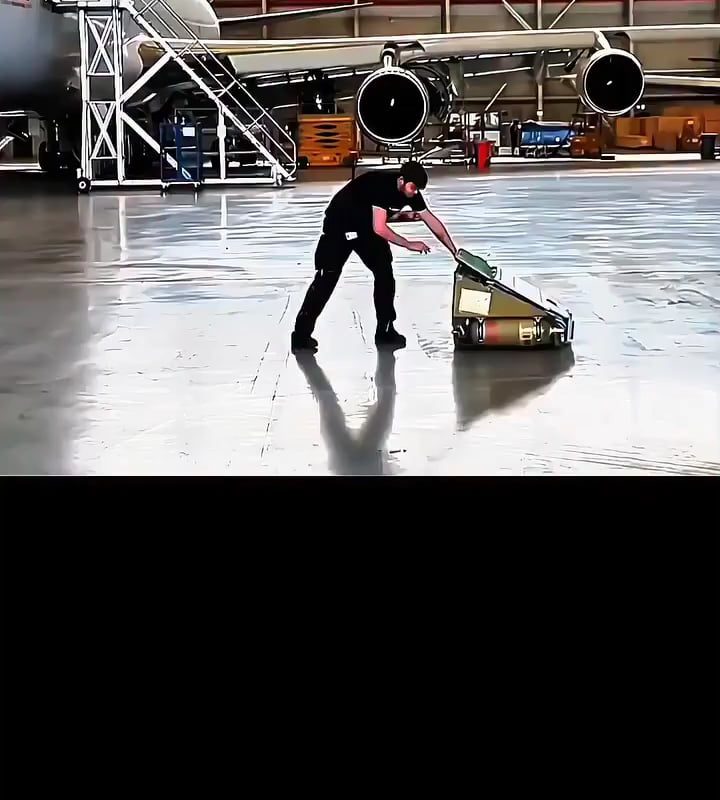
Emergency slides are being deployed
Why Are Emergency Slides Deployed on Aircraft? A Behind-the-Scenes Look at Aviation Safety
When you board an airplane, you likely notice the prominent emergency exit doors marked with clear instructions. Behind these doors lies one of aviation’s most critical safety features: the emergency evacuation slide. These life-saving devices are rarely seen in action but play a vital role in passenger safety during crises. In this article, we’ll explore why and how emergency slides deploy, their engineering marvels, and the protocols airlines follow to ensure they work flawlessly.
What Are Emergency Slides?
Emergency slides (or escape slides) are inflatable ramps stored within aircraft doors or fuselage compartments. They automatically deploy during emergencies, allowing passengers and crew to evacuate the plane rapidly. Designed to inflate in seconds, these slides double as life rafts on water landings and withstand extreme conditions like fire or rough terrain.
Key Features:
- Inflation System: Powered by compressed air or pyrotechnic gas canisters.
- Durable Materials: Tear-resistant fabric with anti-slip surfaces.
- Auto-Deployment: Activated when the door is armed and opened.
When Are Emergency Slides Deployed?
Deployment occurs only in specific high-risk scenarios to prevent misuse or accidents. Here are the most common situations:
1. Emergency Evacuations
- Crash Landings: If the aircraft cannot taxi safely (e.g., after runway overshoots or gear failure).
- Fires: Rapid evacuation is critical if smoke or flames threaten the cabin.
- Water Landings: Slides inflate as buoyant rafts to keep passengers afloat.
2. Accidental Deployment
- Human Error: A door may be opened while the slide is “armed” (prepped for deployment).
- Technical Malfunction: Rare incidents where faulty mechanisms trigger unintended inflation.
Fun Fact: Accidental deployments cost airlines up to $30,000 per slide due to repair costs and flight delays!
3. Training & Maintenance Drills
Airlines and safety crews routinely test slides under controlled conditions to ensure functionality.
How Do Emergency Slides Work?
The deployment process is a feat of engineering precision:
- Arming the Door: Before takeoff, crew members “arm” the door by engaging a lever. This connects the slide to the door frame.
- Activation: Opening the door while armed releases pressurized gas (often CO2 or nitrogen) into the slide.
- Inflation: The slide inflates fully in 6–10 seconds, forming a stable ramp or raft.
- Passenger Evacuation: Crew direct passengers to slide feet-first to the ground in under 90 seconds—the FAA’s mandated evacuation time.
Safety Protocols & Regulations
Emergency slides are governed by strict guidelines to maximize reliability:
Design Standards (FAA & EASA)
- Must deploy in winds up to 25 knots.
- Must withstand temperatures from -40°F to 160°F (-40°C to 71°C).
- Slides over 6 feet high require built-in descent ropes or platforms.
Crew Training
Flight attendants undergo rigorous drills to:
- Arm/disarm doors correctly.
- Manage evacuations under stress.
- Assist children, elderly, and disabled passengers.
Real-Life Examples of Slide Deployments
- 2016 Dubai Flight FZ981 Crash: After an Emirates Boeing 777 crash-landed, all 300+ passengers evacuated via slides in under 2 minutes.
- 2022 Latam Airlines Incident: A mid-flight turbulence spike triggered an unplanned deployment, but crew safely contained the situation.
FAQs About Emergency Slides
What happens if a slide fails to inflate?
Aircraft carry backup slides or alternate exits. Crews train to prioritize functional doors and use manual inflation tubes if needed.
Can slides be reused after accidental deployment?
No. Once activated, slides must undergo rigorous inspection and repacking by certified technicians—a process taking 15+ hours.
Why do flight attendants say “Cross-check” before takeoff?
This confirms all doors are disarmed for ground operations to prevent accidental inflation.
Conclusion: A Silent Guardian of the Skies
Emergency slides are a cornerstone of aviation safety, blending cutting-edge engineering with meticulous training. Though seldom seen in action, their reliability has saved thousands of lives during crises. Next time you board a flight, take comfort in knowing these silent guardians are ready to deploy at a moment’s notice—ensuring your journey stays safe from takeoff to touchdown.
Did You Know? The world’s fastest evacuation via slides occurred in 1984 when 554 people exited a burning Saudia Boeing 747 in under 3 minutes!
For more aviation safety insights, subscribe to our newsletter or follow our blog. Safe travels! ✈️🛡️