Agave harvesting
Title: From Field to Flask: The Art and Science of Agave Harvesting
Meta Description: Discover how agave is harvested, the traditions behind it, and its role in crafting spirits like tequila and mezcal. Learn about sustainability and modern innovations in agave cultivation.
Introduction: The Heart of Agave-Based Spirits
Agave, the succulent plant synonymous with Mexico’s arid landscapes, is more than just a desert dweller. It’s the lifeblood of globally beloved spirits like tequila, mezcal, and bacanora. Behind every bottle lies a meticulous, centuries-old harvesting process that balances tradition, skill, and environmental stewardship. In this guide, we’ll explore how agave is harvested, the role of the jimador (harvester), and the innovations shaping sustainable practices.
1. The Agave Lifecycle: Patience Is Key
Agave plants take years—often 7–12 depending on the species—to mature. Varieties like Blue Weber (used for tequila) and Espadín (for mezcal) grow slowly, storing sugars in their core, or piña (named for its pineapple-like appearance). Harvest timing is critical: too early, and sugar content is low; too late, and the plant may flower, diverting energy from the piña.
2. How Harvesters Detect Maturity
Experienced growers watch for physical cues:
- Leaf color: Mature agaves develop a yellowish hue.
- Rosette size: Leaves reach 5–7 feet in height, signaling peak sugar storage.
- Flower stalk: Harvesters act quickly if a budding quiote (flower stalk) appears to prevent sugar loss.
Advanced farms now use technology like drones and Brix meters to measure sugar content, but traditional knowledge remains irreplaceable.
3. The Jimador: Guardian of Tradition
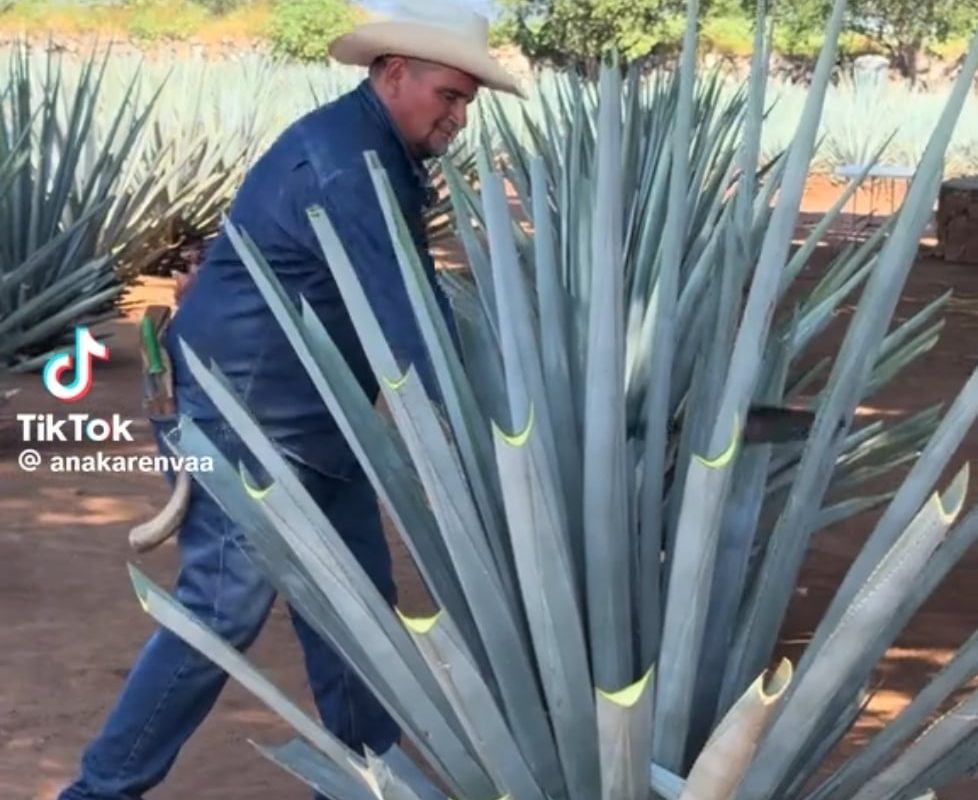
The jimador is a skilled craftsman whose expertise determines the harvest’s success. Using a razor-sharp coa de jima (a circular, machete-like tool), they clear leaves and extract piñas with precision. This labor-intensive process demands strength and artistry, passed down through generations.
The Harvesting Process Step-by-Step:
- Leaf Removal: The jimador trims spiky outer leaves (pencas) to reveal the piña.
- Extraction: The piña is severed from its roots, weighing 80–200+ pounds.
- Cleaning: Excess fibers are removed to prevent bitterness.
- Transport: Piñas are hauled to distilleries via truck or pack animals in remote areas.
4. Processing After Harvest
Piñas are processed based on the final product:
- Tequila/Mezcal: Cooked in ovens or pit-roasted to convert starches to fermentable sugars.
- Agave Syrup: Crushed and filtered to extract raw sweetener.
- Textiles/Fiber: Mature leaves repurposed for ropes or crafts.
5. Sustainability Challenges & Innovations
Agave harvesting faces environmental pressures:
- Water Usage: Traditional rain-fed farming is ideal, but drought strains arid regions.
- Monoculture Risks: Over-reliance on Blue Weber agave reduces biodiversity.
- Waste Recycling: Innovators transform agave waste into biofuel, paper, or building materials.
Sustainable solutions include:
✅ Agroforestry: Integrating agave with drought-resistant crops like legumes.
✅ Organic certification to eliminate pesticides.
✅ Water recycling systems in distilleries.
6. The Cultural & Economic Impact
Agave harvesting sustains rural Mexican communities. UNESCO recognizes agave landscapes (like Jalisco’s Tequila Valley) as World Heritage Sites. Yet, rising global demand pressures small-scale farms. Ethical brands now partner directly with growers to ensure fair wages and eco-friendly practices.
7. Future Trends in Agave Harvesting
- Tech Integration: AI tools predict optimal harvest times via satellite imagery.
- Wild Agave Conservation: Protecting biodiversity in Oaxaca’s mezcal-producing regions.
- Climate Adaptation: Breeding resilient agave hybrids for hotter, drier climates.
Conclusion:
Agave harvesting is a dance between honoring ancient traditions and embracing innovation. As consumers seek authenticity and sustainability, understanding this process deepens appreciation for every sip of tequila or drizzle of agave nectar. By supporting regenerative practices, we ensure this iconic plant thrives for generations.
Target Keywords:
- Agave harvesting process
- Jimador tequila harvesting
- Sustainable agave farming
- How is agave harvested
- Blue Weber agave cultivation
Internal Linking Opportunities:
- “How Tequila is Made: Fermentation to Bottling”
- “Mezcal vs. Tequila: Key Differences Explained”
- “The Rise of Agave Syrup as a Natural Sweetener”
Visual Directions (for web use):
- Feature images of jimadores working in fields.
- Infographic showing agave lifecycle stages.
- Before/after photos of piña processing.
Crafting content around these elements ensures SEO value while educating readers about agave’s journey from field to flask. 🌵🍸