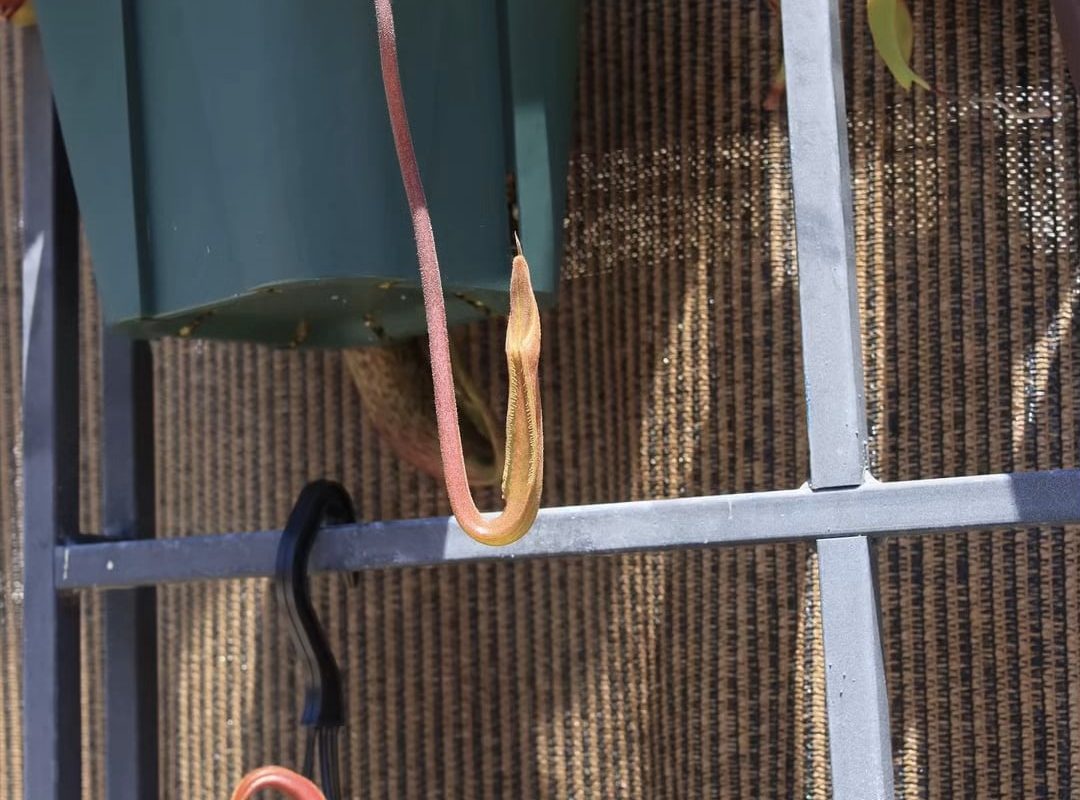
The development of a pitcher plant
Title: The Fascinating Development of the Pitcher Plant: From Seed to Carnivorous Marvel
Meta Description: Dive into the captivating life cycle and evolutionary development of pitcher plants. Learn how these carnivorous wonders grow, adapt, and thrive in nutrient-poor environments.
Introduction: The Enigmatic Pitcher Plant
Pitcher plants (genera Nepenthes, Sarracenia, and others) are among nature’s most ingenious carnivorous plants. Their iconic “pitfall traps”—modified leaves shaped like slender vessels—lure, trap, and digest insects to compensate for nutrient-deficient habitats. But how do these botanical predators develop from seeds into complex, prey-catching machines? This guide explores the life cycle, evolutionary adaptations, and growth factors behind the pitcher plant’s remarkable development, offering insights for gardeners, botanists, and nature enthusiasts alike.
1. The Life Cycle of a Pitcher Plant
Like all plants, pitcher plants undergo a multi-stage life cycle shaped by their environment. Here’s how they evolve from seed to maturity:
Stage 1: Germination
- Seeds: Tiny and dust-like, pitcher plant seeds require specific conditions to germinate: humidity, warm temperatures, and nutrient-poor soil. Some species even rely on fire or seasonal floods to break seed dormancy.
- Timeline: Germination can take weeks to months, depending on species and habitat.
Stage 2: Seedling Phase
- Juvenile plants initially produce non-carnivorous leaves to photosynthesize.
- As they mature (usually after 1–2 years), the first rudimentary pitchers form. These early traps are small and simple but mark the plant’s transition to carnivory.
Stage 3: Juvenile Pitchers
- Early pitchers focus on luring prey with nectar glands, vibrant colors, and subtle scents.
- Enzymatic production begins, allowing digestion of trapped insects for nitrogen and phosphorus.
Stage 4: Maturity and Flowering
- Mature plants develop larger, specialized pitchers adapted to their environment (e.g., Nepenthes rajah traps rodents!).
- Flowering occurs after 3–10 years, depending on species. Flowers bloom conspicuously to attract pollinators—often far from pitchers to avoid eating allies!
Stage 5: Reproduction & Decline
- After pollination, plants produce seeds before entering dormancy or dying back (in perennial species).
- Some species, like Sarracenia, live for decades through rhizome networks.
2. Evolutionary Development: How Pitcher Plants Became Carnivorous
Pitcher plants evolved carnivory as a survival strategy in boggy, acidic soils lacking nitrogen and phosphorus. Here’s what science reveals about their adaptations:
- Genetic Studies: Research suggests pitcher plants repurposed genes originally meant for root development and defense. Over millennia, leaves morphed into traps.
- Role of Convergent Evolution: Unrelated pitcher plant families (e.g., Nepenthaceae in Asia vs. Sarraceniaceae in the Americas) developed similar traps independently—proof of nature’s ingenuity.
- Fossil Evidence: While direct fossils are scarce, preserved pollen from the Eocene era (56–34 MYA) hints at early carnivorous plant lineages.
3. Key Growth Factors Influencing Development
Pitcher plants grow optimally under precise conditions mimicking their wild habitats:
A. Soil & Water
- Soil: Requires acidic (pH 3–5), low-nutrient mixes like peat moss or sphagnum.
- Water: Rainwater or distilled water is ideal; minerals in tap water can harm roots.
B. Sunlight
Installation: Most thrive in full sun (6+ hours daily), though tropical Nepenthes prefer bright, indirect light.
C. Prey Availability
- In nutrient-rich gardens, pitcher plants may produce smaller traps since fewer insects are needed.
- In the wild, they capture ants, flies, and even small vertebrates to supplement poor soil.
D. Dormancy Triggers
Temperate species (e.g., Sarracenia) require winter dormancy with cooler temperatures to reset growth cycles.
4. The Pitcher Plant’s Role in Its Ecosystem
Beyond their predatory prowess, pitcher plants support entire ecosystems:
- Microhabitats: Pitchers host symbiotic organisms like mosquito larvae (Wyeomyia smithii) and bacteria that aid digestion.
- Nutrient Cycling: Decomposing prey enriches surrounding soil, benefiting nearby flora.
- Biodiversity Hotspots: Rare species, like Borneo’s Nepenthes, are keystones in threatened habitats.
5. Conservation Concerns
Habitat loss, poaching, and climate change threaten many pitcher plant species. Organizations like the International Carnivorous Plant Society promote conservation through:
- Cultivating nursery-grown plants to reduce wild harvesting.
- Protecting peat bogs and tropical forests critical to their survival.
FAQs About Pitcher Plant Development
Q: How fast do pitcher plants grow?
A: Growth varies by species—some tropical Nepenthes mature in 3–5 years, while temperate varieties take longer.
Q: Why do pitcher plants turn brown?
A: Browning pitchers signal aging, lack of light, or improper watering. Prune dead traps to encourage new growth.
Q: Can I grow pitcher plants from cuttings?
A: Yes! Stem cuttings or rhizome divisions often root faster than seeds.
Conclusion: A Testament to Nature’s Adaptability
The pitcher plant’s development—from fragile seed to sophisticated insect hunter—is a story of evolutionary genius. Whether you’re cultivating one at home or admiring them in the wild, these plants remind us that life thrives through innovation. By understanding and protecting them, we safeguard a unique chapter in Earth’s biodiversity.
[Call to Action]: Ready to grow your own pitcher plant? Start with beginner-friendly species like Sarracenia purpurea or Nepenthes ventrata—just remember to mimic their natural habitat!
Keywords for SEO: pitcher plant development, pitcher plant life cycle, how pitcher plants grow, carnivorous plant evolution, growing pitcher plants, Nepenthes adaptations, Sarracenia care.
Image Alt Text Suggestions:
- “Juvenile pitcher plant forming its first trap.”
- “Mature Nepenthes pitcher plant with insect prey.”
- “Pitcher plant flower attracting a pollinator.”
Optimize your gardening or biodiversity content with this guide, and share the wonders of carnivorous plant science! 🌿✨