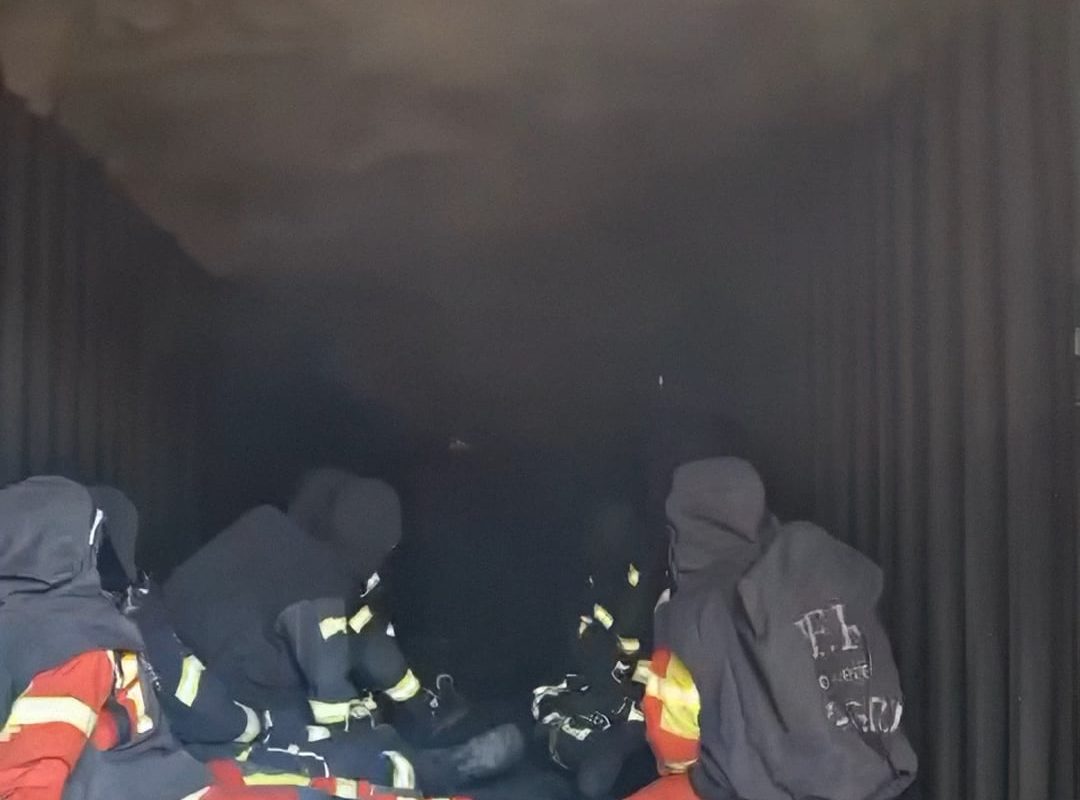
Controlled chaos in this training exercise.
Title: “Controlled Chaos: The Secret Weapon of High-Performing Teams in Training Exercises”
Meta Description: Discover how harnessing “controlled chaos” in training exercises builds resilience, adaptability, and decision-making skills. Learn techniques, benefits, and real-world examples.
What Is Controlled Chaos in Training?
Controlled chaos is a strategic training methodology where facilitators intentionally introduce unpredictable, high-pressure scenarios to simulate real-world disruptions—but within a structured, safe environment. The goal isn’t to create panic but to teach individuals and teams how to embrace uncertainty, adapt quickly, and execute solutions under stress.
Think of it as “stress inoculation”: military units train in live-fire drills, firefighters simulate burning buildings, and corporate teams tackle crisis simulations—all designed to turn chaos into a catalyst for growth.
Why Controlled Chaos Works: 3 Core Benefits
-
Builds Decisive Leadership
In chaotic scenarios, hesitation costs time. Teams learn to trust their judgment, delegate tasks, and lead decisively—even without perfect information. -
Enhances Adaptability
When plans crumble, teams must pivot fast. Controlled chaos exposes gaps in standard operating procedures, fostering creative problem-solving. -
Strengthens Team Cohesion
Shared pressure forges stronger bonds. Teams learn communication shortcuts, empathy, and accountability when navigating turbulence together.
Real-World Examples of Controlled Chaos Training
- Emergency Response Drills: Hospitals simulate mass casualty events to test triage protocols.
- Corporate War Games: Tech companies role-play cyberattacks to refine crisis response.
- Sports Scrimmages: Coaches add unexpected rule changes to force players to think on their feet.
How to Implement Controlled Chaos in Your Training (5 Steps)
-
Define Objectives
Clarify what skills you’re testing (e.g., communication, agility, leadership). Without clear goals, chaos becomes counterproductive. -
Design Realistic Scenarios
Use unpredictable but plausible challenges: sudden resource shortages, mock system failures, or conflicting priorities. -
Establish Safety Boundaries
Psychological and physical safety are non-negotiable. De-brief participants afterward to address stressors. -
Introduce Chaos Gradually
Start with mild disruptions (e.g., shifting deadlines) before escalating to complex crises (e.g., simulated PR disasters). -
Debrief Relentlessly
Analyze what worked, what broke down, and how teams recalibrated. Tie lessons back to real-world applications.
Pitfalls to Avoid
- Lack of Control: Chaos should be purposeful, not reckless. Always have “kill switches” to pause exercises if risks emerge.
- Poor Communication: Ensure participants understand the exercise’s intent to avoid frustration.
- Skipping Reflection: Without debriefs, teams miss 70% of the learning opportunity.
The Science Behind the Method
Research from the Journal of Applied Psychology shows that stress inoculation training improves performance under pressure by 40%. Meanwhile, MIT’s studies on adaptive teams reveal that groups exposed to controlled chaos recover from setbacks 3x faster than those trained in static environments.
Key Takeaways
- Controlled chaos is not about losing control—it’s about mastering it.
- Use it to uncover hidden weaknesses and turn them into strengths.
- Always align scenarios with your team’s real-world challenges.
Final Thought: In a world defined by volatility, the ability to thrive in chaos isn’t a luxury—it’s survival. By embedding controlled chaos into training, you’re not just preparing teams for the unexpected; you’re empowering them to own it.
CTA: Ready to transform your team’s resilience? Share your experience with chaotic training or download our free Scenario Planning Toolkit to design your first exercise!
SEO Keywords: controlled chaos in training, training exercise, stress inoculation, adaptive leadership, crisis simulation, team resilience, decision-making under pressure, chaos training benefits.
Image Alt Text Suggestions (for web publishing):
- “Team collaborating during a high-pressure simulation exercise.”
- “Instructor debriefing participants after a controlled chaos drill.”
- “Flowchart showing steps to implement chaos training.”
By weaving controlled chaos into your training regimen, you cultivate antifragile teams who don’t just endure disruptions—they leverage them.