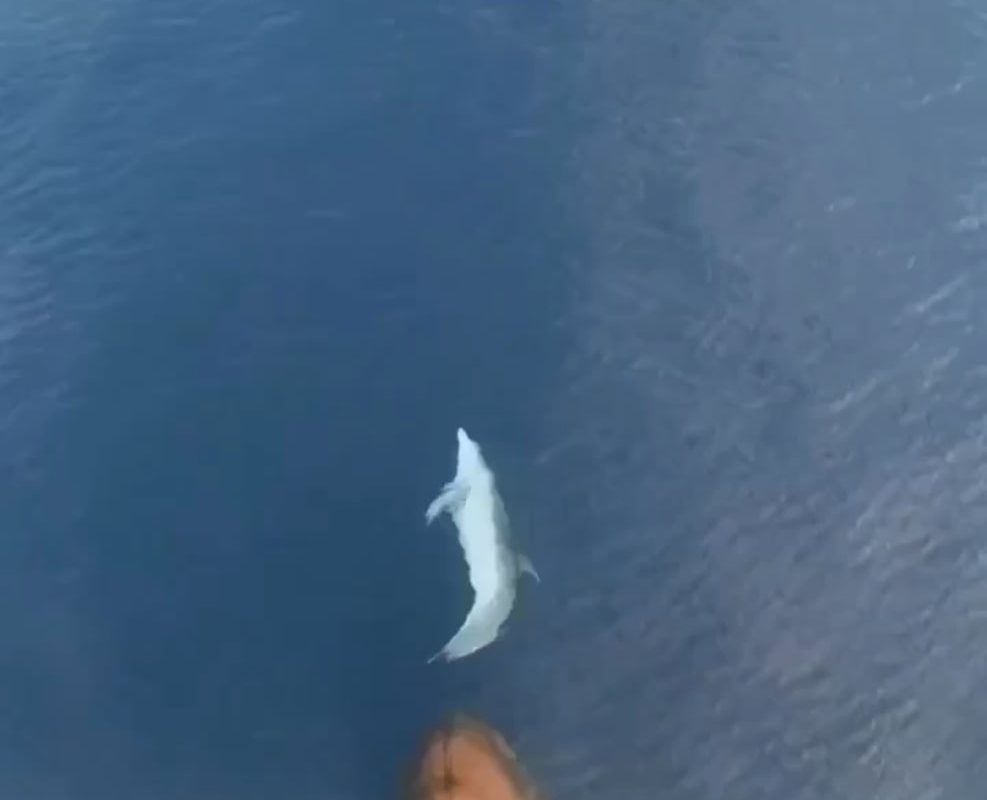
Dolphin taking advantage of ship’s momentum
Title: Riding the Wave: How Dolphins Harness Ship Momentum for Effortless Travel
Meta Description: Discover how intelligent dolphins exploit ship-generated waves to conserve energy and travel faster. Learn the science behind this fascinating marine behavior and what it reveals about dolphin intelligence.
URL Slug: dolphins-riding-ship-momentum
Dolphins Riding the Wake: A Clever Energy-Saving Strategy
Dolphins are among the ocean’s most intelligent and adaptable creatures, and their interactions with ships highlight their remarkable ability to leverage physics for survival. One of their most ingenious behaviors—riding the waves created by moving vessels—is a brilliant display of energy efficiency and hydrodynamic mastery.
Why Do Dolphins Ride Ship Waves?
When dolphins swim alongside ships or in their wake, they’re not just playing—they’re capitalizing on the vessel’s kinetic energy. By positioning themselves in the pressure wave generated by a ship’s hull, dolphins enter a “hydrodynamic slipstream.” This phenomenon allows them to:
- Conserve Energy: Swimming alongside a ship reduces drag, letting dolphins move faster with minimal effort.
- Travel Faster: Ships create currents that propel dolphins forward, enabling them to reach speeds of up to 20 knots without exhaustive fluke strokes.
- Social Bonding: Groups of dolphins often ride waves together, strengthening social ties through synchronized movement.
The Science Behind the Strategy
The behavior, scientifically termed “bow riding” or “wake riding,” exploits the Bernoulli’s Principle. As water flows around a ship’s hull, it generates high-pressure zones at the bow and low-pressure areas along the sides. Dolphins instinctively position themselves in these currents to “surf” the waves, much like a surfer rides an ocean swell.
Research from the Journal of Experimental Biology confirms that dolphins can reduce their energy output by up to 60% when riding ship-generated waves. Their streamlined bodies and flexible spines allow them to adjust effortlessly to shifting currents, maximizing momentum with minimal exertion.
Human Impact: A Double-Edged Sword
While dolphins benefit from ships, human activity also poses risks:
- Ship Strikes: Fast-moving vessels can injure or kill dolphins unaware of their path.
- Noise Pollution: Engine noise disrupts dolphin communication and echolocation.
- Habitat Stress: Frequent ship traffic may displace dolphin pods from feeding grounds.
Conservationists advocate for reduced speeds in dolphin-populated zones and noise-dampening ship designs to protect these marine acrobats.
Fun Facts About Wave-Riding Dolphins
- Not Just Ships: Dolphins also ride waves from whales and even large fish!
- A Global Phenomenon: Species like bottlenose, spinner, and common dolphins exhibit this behavior worldwide.
- Ancient Adaptation: Fossils suggest dolphins have used wave-riding techniques for millions of years.
Conclusion
The next time you spot dolphins frolicking alongside a ship, remember: they’re not just showing off. They’re expert physicists, harnessing the laws of motion to turn human engineering into a free ride. This behavior underscores their intelligence and adaptability—and reminds us to protect the oceans they call home.
FAQ Section
Q: Do all dolphin species ride ship waves?
A: No, but many coastal and oceanic species—like bottlenose and spinner dolphins—commonly exhibit this behavior.
Q: Can wave-riding harm dolphins?
A: While efficient, it puts dolphins at risk of collisions with ships or propellers. Responsible boating practices are crucial.
Q: How can I observe this behavior responsibly?
A: Support eco-friendly dolphin-watching tours that maintain safe distances and avoid disrupting pods.
Internal Linking Opportunities (if applicable):
- [How Dolphins Communicate: A Guide to Marine Acoustics]
- [Top 5 Intelligent Marine Mammals and Their Survival Tactics]
🔗 Spread the Ripple: Share this article to inspire ocean conservation efforts! 🌊
Keywords: dolphin behavior, ship wave riding, bow riding dolphins, dolphin energy conservation, marine mammal intelligence, hydrodynamic slipstream, dolphin conservation, Bernoulli’s Principle dolphins.
Optimized for search queries like “how do dolphins ride ship waves,” “why do dolphins follow boats,” and “dolphin ship interaction.”