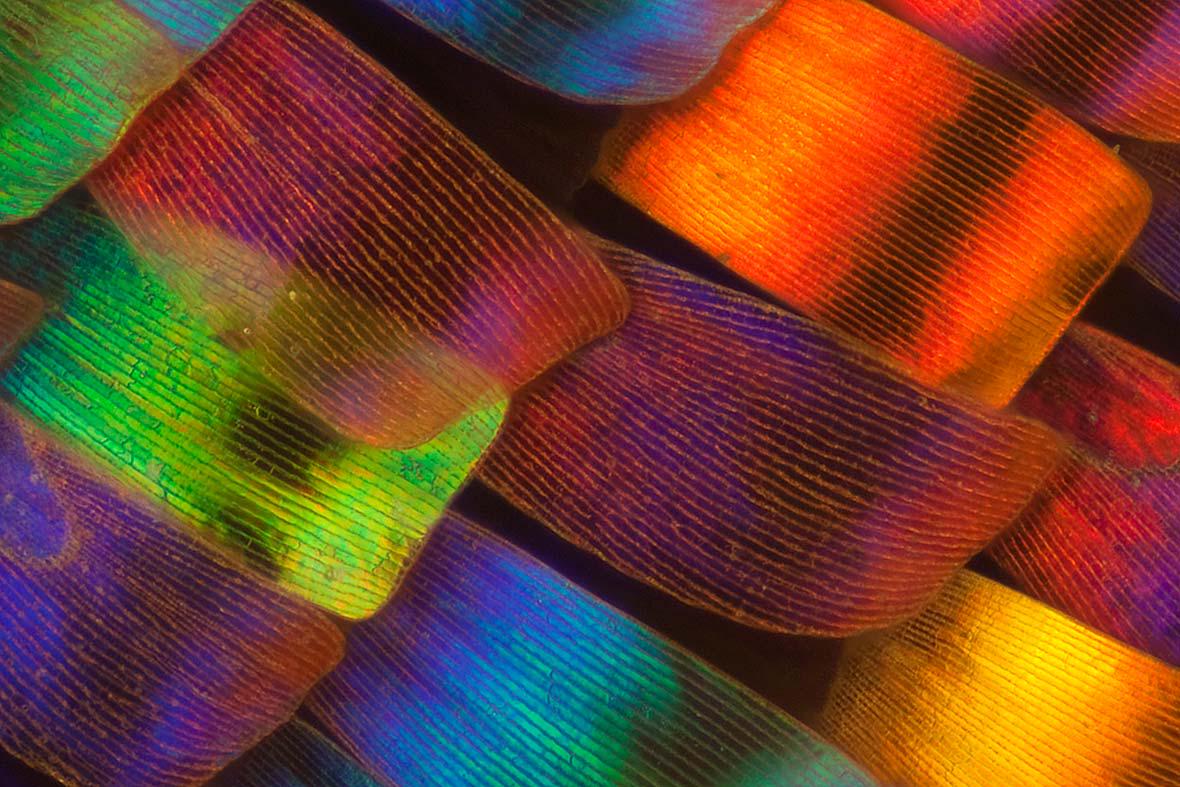
Butterfly wing under microscope
Title: Unveiling Nature’s Artistry: A Microscopic Look at Butterfly Wings
Meta Description: Discover the hidden beauty of butterfly wings under a microscope! Explore their intricate structures, iridescent colors, and the science behind nature’s tiny masterpieces.
Introduction: A Hidden World of Wonder
Butterflies are nature’s living canvases, flaunting vibrant colors and patterns that captivate our eyes. Yet, even these dazzling displays pale in comparison to the astonishing details visible when we observe butterfly wings under a microscope. At a microscopic level, butterfly wings transform into a mesmerizing landscape of scales, grooves, and nanostructures that reveal how these delicate insects harness light and color. In this article, delve into the microscopic anatomy, evolutionary brilliance, and scientific breakthroughs inspired by butterfly wings.
What Do Butterfly Wings Look Like Under a Microscope?
When magnified, butterfly wings are nothing like the smooth, paper-thin membranes they appear to be. Instead, they reveal a complex architecture:
-
Tiny Scales (Like Roof Shingles):
Butterfly wings are covered in thousands of overlapping chitinous scales—similar to shingles on a roof. Each scale measures just 50–100 micrometers (about the width of a human hair). Under an electron microscope, these scales show intricate shapes: ridged, ribbed, or even paddle-like, depending on the species. -
Structural Color Secrets:
Unlike humans, who use pigments for color, butterflies rely on structural coloration. Microscopic ridges, grooves, and photonic crystals on their scales manipulate light waves through diffraction, interference, or scattering. This creates the shimmering, metallic blues and greens seen in species like the Morpho butterflies. -
Pigmentary Colors:
Some scales also contain melanin-based pigments (e.g., reds, yellows, and blacks). When viewed microscopically, these appear as solid patches beneath the structural layers.
The Science of Iridescence: How Butterfly Wings “Create” Color
Under high magnification, scientists uncover how butterflies engineer their iridescence:
- Rainbow Nanostructures:
Electron microscopes reveal nanoscale lattices within scales that act like prisms. For example, Morpho butterflies have “Christmas tree” structures that split light into vivid blue wavelengths. - Anti-Reflective Properties:
Some butterfly scales feature anti-reflective nano-pillars that minimize glare—useful for hiding from predators or regulating temperature.
Why Do Butterflies Have Microscopic Structures?
These tiny adaptations aren’t just for show—they’re evolutionary survival tools:
- Camouflage & Warning Signals:
Patterns at the microscopic level disrupt outlines (e.g., owl butterflies mimic eyes), while bright colors warn predators of toxicity. - Thermoregulation:
Scales trap heat in cool climates or reflect sunlight to prevent overheating. - Waterproofing:
The overlapping scale structure makes wings hydrophobic, repelling rain and dew.
Scientific Breakthroughs Inspired by Butterfly Wings
Butterfly wings aren’t just beautiful—they’re blueprints for innovation:
Arbeitnehmer:
- Solar Panel Efficiency:
Researchers mimic butterfly nanostructures to enhance light absorption in solar cells. - Anti-Counterfeit Technology:
The hypersensitive color-shift of butterfly scales inspires banknote security features. - Medical Imaging Advances:
Photonic crystal designs from wings improve diagnostic sensors and imaging tools.
How to Observe Butterfly Wings Under a Microscope (DIY Guide)
Want to see this magic yourself? Here’s how:
-
Materials Needed:
- A stereo or compound microscope (100x–400x magnification)
- Tweezers, slides, and clear tape
- A fallen butterfly wing (avoid harming live insects!)
-
Step-by-Step Process:
- Gently pluck a wing scale using tweezers.
- Place it on a slide with clear tape (no stains needed).
- Start at low magnification, then zoom in to see ridges and color structures.
⚠️ Tip: Use LEDs or natural light to see iridescence shift!
FAQs About Butterfly Wings Under a Microscope
Q: Do butterfly wings heal if scales are damaged?
A: No—scales don’t regenerate, but minor damage doesn’t affect flight.
Q: Are all butterfly colors structural?
A: No. Reds, yellows, and blacks often come from pigments, while blues/greens are usually structural.
Q: How many scales are on a butterfly wing?
A: Up to 600,000 scales per wing, arranged like puzzle pieces!
Conclusion: Where Art Meets Science
Examining butterfly wings under a microscope reveals a universe where biology, physics, and art collide. These tiny structures teach us about evolution’s ingenuity and inspire tomorrow’s technologies. Next time a butterfly flutters by, remember—it’s carrying a masterpiece unseen by the naked eye.
Call to Action:
Share your own microscope discoveries with #ButterflyWingMagic! For more wonders of the micro-world, explore our guides on [bee eyes under magnification] or [leaf stomata close-ups].
SEO Optimization:
- Primary Keyword: Butterfly wing under microscope
- LSI Keywords: microscopic butterfly scales, structural coloration, electron microscope butterfly, iridescent wings, butterfly wing nanostructures.
- Internal Links: Include links to related articles (e.g., “How Do Butterflies Fly?” or “Bio-Inspired Tech”).
- Alt Text for Images: “Butterfly wing scales under 400x magnification.”
Note: Pair this article with high-resolution micrographs of butterfly wings for maximum engagement!