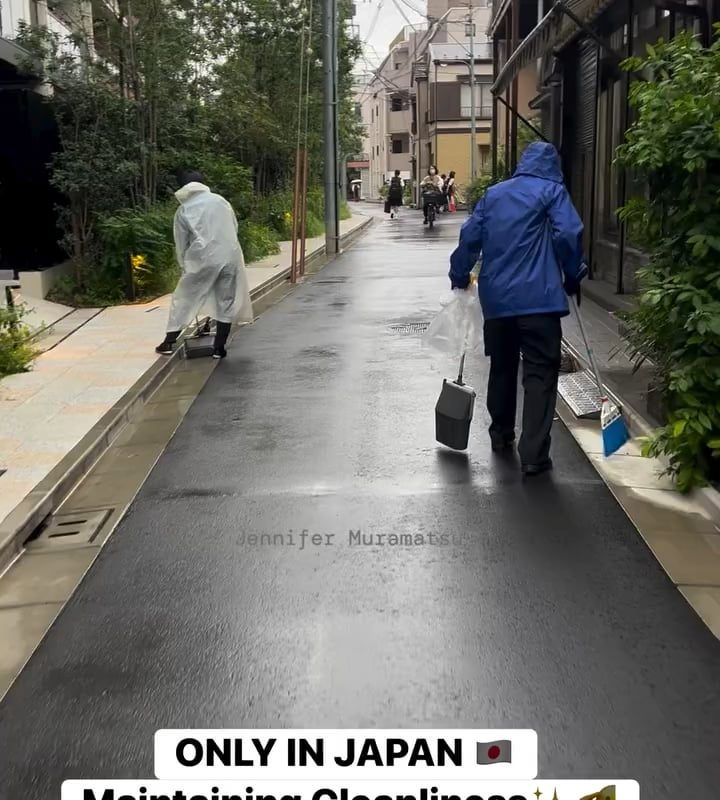
Maintaining Cleanliness in Japan
Title: The Art of Cleanliness in Japan: How Tradition and Culture Shape a Spotless Society
Meta Description: Discover the secrets behind Japan’s renowned cleanliness culture—from Shinto traditions to modern-day habits. Learn why Japan stays spotless and how you can adopt these practices!
Introduction
Japan’s reputation for immaculate streets, pristine public spaces, and a society-wide commitment to cleanliness is legendary. From the bustling streets of Tokyo to rural villages, the absence of litter and the presence of orderly hygiene practices astound visitors. But what drives this culture of cleanliness? In this article, we explore the historical, cultural, and social factors that make Japan one of the cleanest nations on Earth—and what the world can learn from it.
A Culture Rooted in Purity and Respect
1. Shinto and Buddhist Influences
Japan’s cleanliness ethic is deeply tied to its spiritual traditions. Shintoism, Japan’s indigenous religion, emphasizes ritual purity and the sacredness of nature. Temples, public spaces, and even homes are kept clean as an act of respect for the kami (spirits). Additionally, Buddhist teachings promote mindfulness and cleanliness as a form of self-discipline, reinforcing the idea that a tidy environment reflects inner harmony.
2. The Samurai Code of Conduct
Historically, the samurai class upheld values like discipline, order, and respect—principles that extended to maintaining cleanliness in their surroundings. This ethos trickled down into everyday Japanese life, shaping societal expectations around tidiness.
Everyday Practices That Keep Japan Clean
1. No Public Trash Bins? No Problem!
Paradoxically, Japan has few public trash bins—a result of tightened security after the 1995 Tokyo subway sarin attack. Instead, citizens carry their trash home, adhering to the principle of “mottainai” (avoiding waste). This practice fosters personal responsibility and reduces littering.
2. School Cleanup Rituals (O-soji)
From elementary school onward, Japanese students participate in daily classroom cleanups. This tradition, called o-soji, instills teamwork and pride in shared spaces, teaching children that cleanliness is everyone’s duty—not just custodians’.
3. Community-Led Cleanup Initiatives
Neighborhood associations organize regular clean-up days, where residents gather to sweep streets and parks. Events like these reinforce social cohesion while maintaining public areas.
4. Mannerly Waste Disposal
Japan’s strict waste sorting rules (burnable, non-burnable, recyclables, etc.) are taken seriously. Households separate trash meticulously, often following municipal guidelines with near-scientific precision—a system supported by clear signage and educational campaigns.
Iconic Examples of Japanese Cleanliness
- Sakura Season Spotlessness: During cherry blossom festivals (hanami), crowds picnic under trees but leave no trace—often bringing portable trash bags and cleaning up before departing.
- Stadium Cleanliness: After sporting events or concerts, fans famously stay behind to collect their own litter, a practice that went viral during the 2014 FIFA World Cup.
- Toilets as Symbols of Hygiene: Japan’s high-tech bidet toilets (washlets) reflect the cultural emphasis on purification and comfort, with public restrooms kept impeccably clean.
Challenges and Modern Adaptations
Despite its success, Japan faces waste challenges. The country generates significant plastic waste (partly due to disposable packaging), but recycling rates continue to improve. Innovative solutions like “Tokyo’s Zero Waste” initiatives and biodegradable packaging are emerging, blending tradition with modern sustainability.
Lessons for the World
Japan’s cleanliness isn’t just about rules—it’s a mindset. Here’s how anyone can adopt these principles:
- Take Responsibility: Carry a portable trash bag when out.
- Sort Waste Mindfully: Learn local recycling guidelines.
- Teach Early: Involve children in tidying communal areas.
- Lead by Example: Clean up public spaces voluntarily, whether at home or abroad.
FAQs About Japan’s Cleanliness Culture
Q: Why are there no trash cans in Japanese streets?
A: Fewer bins reduce public trash accumulation and encourage waste minimization, though convenience stores often have them.
Q: Does Japan punish littering?
A: Yes, littering can result in fines, but social stigma is a stronger deterrent.
Q: How does Japan handle sanitation in crowded cities like Tokyo?
A: Frequent street sweeping, underground waste systems, and tech-savvy solutions like automated trash collection optimize efficiency.
Conclusion
Japan’s cleanliness is a blend of ancient values, education, and communal effort—not just government policy. By understanding the cultural roots of these practices, we can appreciate how respect for people and the environment creates a cleaner world. Whether you’re visiting Japan or simply inspired by its example, adopting even small habits can make a big difference in your own community.
Pro Tip: Visiting Japan? Pack a small trash bag—and join the locals in keeping their beautiful country spotless!
Keywords for SEO: Cleanliness in Japan, Japanese hygiene practices, Shinto and cleanliness, waste disposal Japan, o-soji school cleaning, mottainai, Japan trash rules, Japanese culture cleanliness.