An anamorphic art
Title: Anamorphic Art: A Complete Guide to Perspectives, History & Modern Creations
Meta Description: Dive into the mesmerizing world of anamorphic art! Explore its history, techniques, and modern applications in this SEO-optimized guide.
What Is Anamorphic Art? Unlocking Visual Illusions
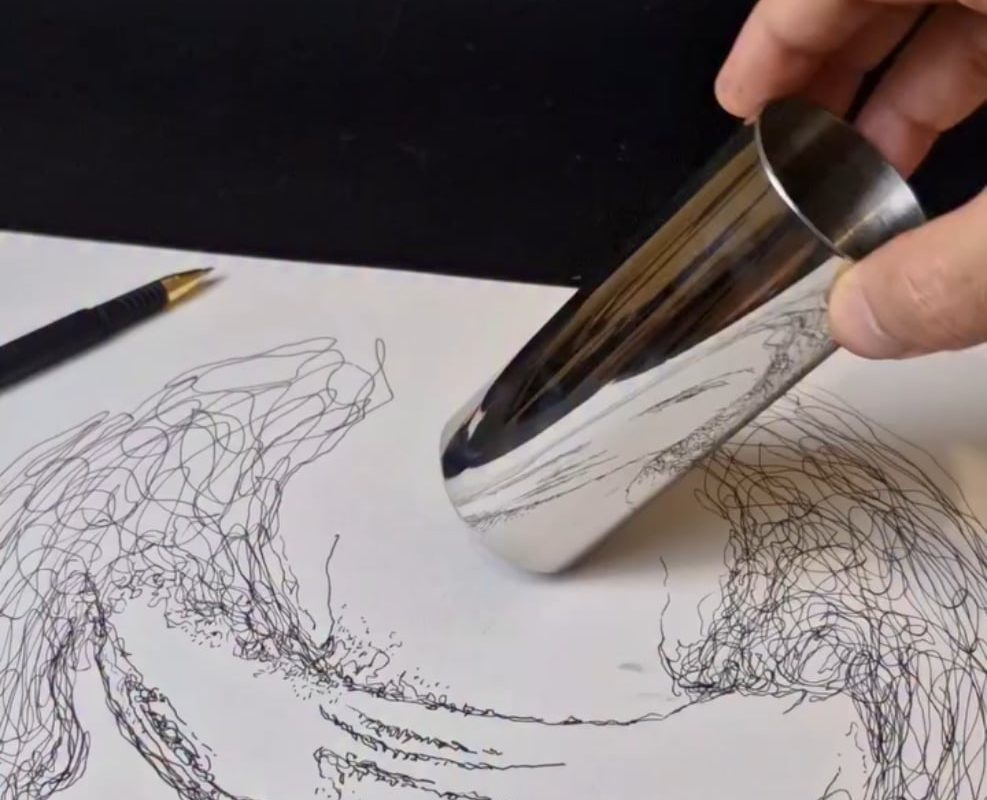
Anamorphic art is a mind-bending form of visual illusion where distorted images reveal their true form only when viewed from a specific angle or with a reflective device. Derived from the Greek words ana (meaning “again”) and morphē (meaning “shape”), anamorphosis challenges viewers to “re-form” the image. From hidden skulls in Renaissance paintings to 3D street art that leaps off the pavement, this art form plays with perspective, science, and creativity to deceive and delight.
A Brief History: From Renaissance Mystique to Modern Magic
Anamorphic techniques first emerged in the Renaissance, blending art and mathematics:
- Hans Holbein’s The Ambassadors (1533): This iconic painting hides a distorted skull, visible only when viewed obliquely—a memento mori (reminder of death).
- Leonardo da Vinci’s Experiments: Da Vinci’s Codex Atlanticus features early examples of anamorphic sketches.
- 17th-Century Optical Devices: Artists used conical or cylindrical mirrors to “decode” anamorphic images, merging art with scientific curiosity.
Types of Anamorphic Art: Mirror vs. Perspective
-
Mirror Anamorphosis:
- Requires a reflective cylinder or cone to undistort the image.
- Example: Contemporary artist Jonty Hurwitz’s sculptures, which coalesce into recognizable shapes only in reflection.
-
Perspective (Oblique) Anamorphosis:
- Relies on a fixed vantage point. The distorted image snaps into focus when viewed from an angle.
- Example: 3D street paintings by Kurt Wenner and Julian Beever, where chalk drawings appear to defy gravity when seen from a single spot.
Modern Anamorphic Art: From Streets to Screens
Today, anamorphic illusions thrive in innovative spaces:
- Street Art: Artists like Eduardo Relero create viral public installations that interact with architecture.
- Advertising: Brands use 3D billboards (e.g., Coca-Cola’s “magic” vending machines) for immersive campaigns.
- Digital Media: Augmented reality (AR) apps and projection mapping breathe new life into anamorphosis, blending physical and virtual worlds.
How to Create Anamorphic Art: A Step-by-Step Guide
- Choose Your Technique: Decide between mirror or perspective-based design.
- Sketch the Desired Final Image: Draw the “true” image you want to reveal.
- Apply Distortion:
- For mirror anamorphosis: Use grid methods or software (e.g., Photoshop) to warp the image.
- For perspective art: Calculate sightlines and stretch the design to compensate for the viewer’s angle.
- Test and Refine: Adjust until the illusion works seamlessly from the intended viewpoint.
Pro Tip: Start simple! Practice with grid paper or free apps like AnamorphMe to experiment with distortions.
Why Anamorphic Art Matters Today
Anamorphosis bridges art, STEM education, and viral culture:
- Educational Tool: Teaches geometry, optics, and critical thinking in classrooms.
- Social Media Magnet: Shareable 3D illusions dominate platforms like Instagram.
- Cultural Commentary: Artists like Felice Varini use architectural anamorphosis to question perception and reality.
FAQs About Anamorphic Art
Q: How does anamorphic art trick the eye?
A: It exploits visual perspective—stretching or compressing shapes so the brain “reassembles” them correctly from a specific angle.
Q: Can I create anamorphic art digitally?
A: Yes! Tools like Adobe Illustrator and projection mapping software simplify distortion calculations.
Q: Where can I see famous anamorphic art?
A: Visit museums (e.g., The Louvre for The Ambassadors) or explore open-air festivals like Paseo Project for street illusions.
Conclusion: Embrace the Illusion
Anamorphic art transforms ordinary spaces into realms of wonder, proving that reality shifts with perspective. Whether you’re an artist, educator, or curious observer, dive into this captivating genre—where distortion reveals deeper truths.
Ready to Try It? Grab chalk, a mirror, or your tablet, and start bending reality today! Share your creations with #AnamorphicArt and inspire others to see the world anew.
Optimized Keywords: Anamorphic art, 3D street art, mirror anamorphosis, perspective illusion, Hans Holbein, how to create anamorphic art, history of anamorphosis, modern visual illusions.
Internal Links: /art-techniques, /optics-in-art
External Links: Holbein’s The Ambassadors at The National Gallery, Kurt Wenner’s 3D Art Tutorials.
This guide merges historical insight with actionable tips, targeting art enthusiasts, educators, and creators while boosting SEO through strategic keywords and structure. Let us know how it performs! 🎨✨