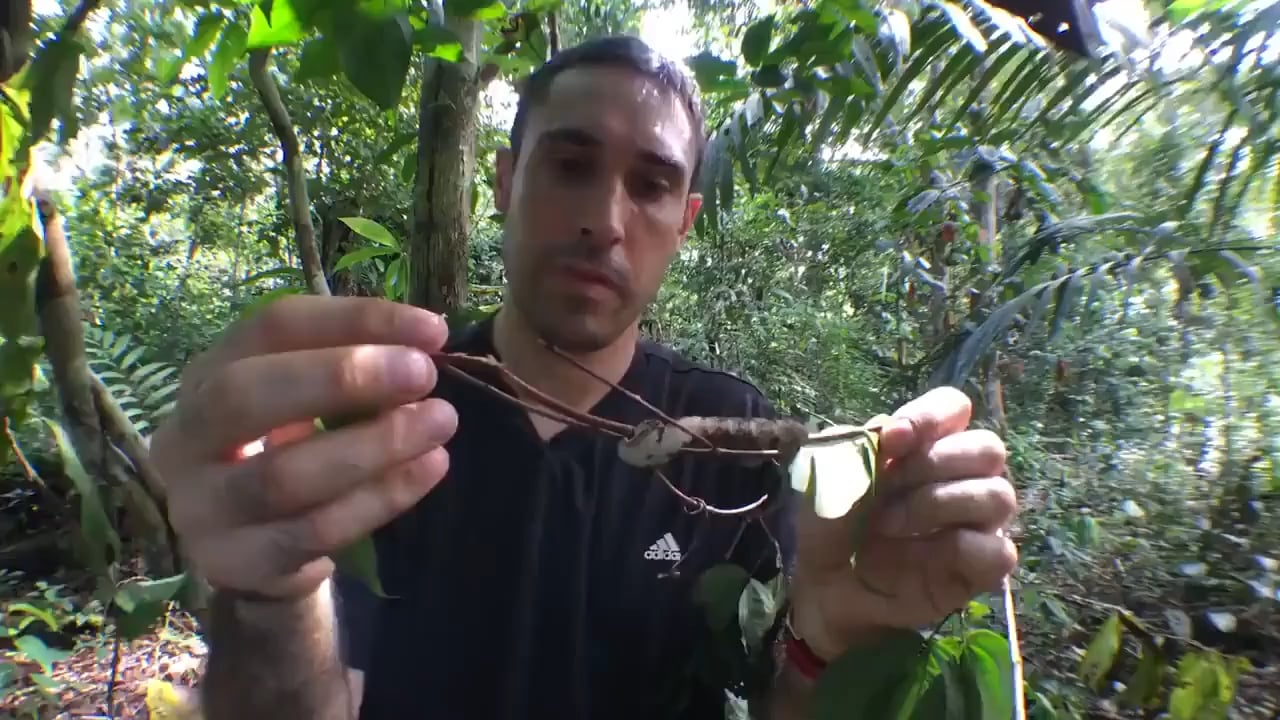
A caterpillar that takes the form of a snake when it feels threatened
Meta Title: The Snake-Mimic Caterpillar: Nature’s Master of Disguise | Survival Secrets Revealed
Meta Description: Discover the astonishing caterpillar that transforms into a snake to deter predators. Learn how this evolutionary trick works, where to find it, and why it’s a marvel of adaptation.
The Snake-Mimic Caterpillar: Nature’s Ingenious Imposter
Imagine a harmless caterpillar suddenly inflating its body, revealing menacing “eyes,” and mimicking the head of a venomous snake to scare off predators. This isn’t science fiction—it’s a real survival strategy employed by certain caterpillar species. In this article, we’ll explore the fascinating world of snake-mimicking caterpillars, their biology, and the evolutionary brilliance behind their deceptive transformation.
The Ultimate Defense Mechanism: From Caterpillar to “Snake”
When threatened by birds, lizards, or other predators, these caterpillars perform a jaw-dropping transformation:
- Body Inflation: They rapidly swell the front section of their body.
- Eyespot Illusion: Hidden patterns resembling snake eyes and scales become visible.
- Strike Pose: Some species even lunge forward, mimicking a snake’s attack.
This optical illusion, known as Batesian mimicry, tricks predators into believing they’re facing a dangerous snake instead of a vulnerable insect.
Meet the Masters of Mimicry: The Hawk Moth Caterpillars
The most famous snake-impersonators belong to the hawk moth family (Sphingidae). Notable species include:
1. Hemeroplanes triptolemus
Found in Central and South America, this caterpillar clings to branches with its rear legs, dangling its swollen “snake head” while hiding its true identity. Its false eyes are perfectly positioned to intimidate.
2. The Elephant Hawk Moth Caterpillar
Common in Europe, its snake-like display includes retracting its legs and showcasing menacing eyespots when disturbed.
3. Other Mimics
- Papilio caterphontes: A swallowtail caterpillar with subtle snake-like markings.
- Atlas Moth Caterpillars: Some display snake-like patterns in early stages.
How Does the Illusion Work? Science Behind the Trick
The effectiveness of this mimicry relies on three key elements:
- Visual Accuracy: Eye spots with white or yellow “highlights” mimic reflective snake pupils for realism.
- Shape-Shifting: By inflating specific body segments, the caterpillar creates a triangular “head” akin to vipers or tree snakes.
- Behavioral Acting: Swaying movements or sudden jerks add authenticity, exploiting predators’ instinctive fear of snakes.
Researchers believe this mimicry evolved because predators learn to avoid snakes—giving the caterpillar a survival edge without actual venom.
Why Mimic a Snake? The Survival Benefits
- Low Effort, High Reward: Unlike venom or spines, this strategy requires minimal energy.
- Universal Threat: Snakes are universally feared by birds, monkeys, and even humans.
- Selective Advantage: Caterpillars that mimic snakes survive longer to become moths, passing the trait to offspring.
Where to Find Snake-Mimic Caterpillars
These masters of disguise thrive in tropical forests and wooded areas:
- Central & South America: Costa Rica, Ecuador, Brazil.
- Southeast Asia: Rainforests of Thailand and Malaysia.
- Europe: Gardens and hedgerows hosting hawk moth species.
Pro Tip: Look for them on the underside of leaves during the day—they’re experts at hiding!
Conservation & Ecological Role
These caterpillars highlight biodiversity’s creativity, but habitat loss threatens their survival. Protecting forests ensures their mimicry—and their role in pollination as adult moths—continues.
FAQs About Snake-Mimic Caterpillars
Q: Are they dangerous to humans?
A: No—they lack venom or stings. Their “snake” act is purely for show.
Q: How long can they hold the pose?
A: Typically a few minutes, until the predator retreats.
Q: Do other animals use similar mimicry?
A: Yes! Owl butterflies mimic owl eyes, and some spiders impersonate ants.
Conclusion: Nature’s Theater of Deception
The snake-mimic caterpillar is a testament to evolution’s ingenuity—a soft-bodied insect that “becomes” a predator to avoid becoming prey. This survival strategy blurs the line between reality and illusion, reminding us that nature’s most extraordinary spectacles often hide in plain sight.
Key Takeaways:
- Mimicry is a lifeline for defenseless species.
- Appearances in nature are rarely what they seem.
- Protecting ecosystems preserves these wonders for future generations.
Discover More Natural Marvels:
- The Orchid Mantis: A Flower in Disguise
- Mimic Octopus: Master of Underwater Impersonation
- How Animals Use Camouflage to Survive
Optimize your knowledge of the wild—subscribe for more astonishing adaptations from the animal kingdom! 🐍🐛